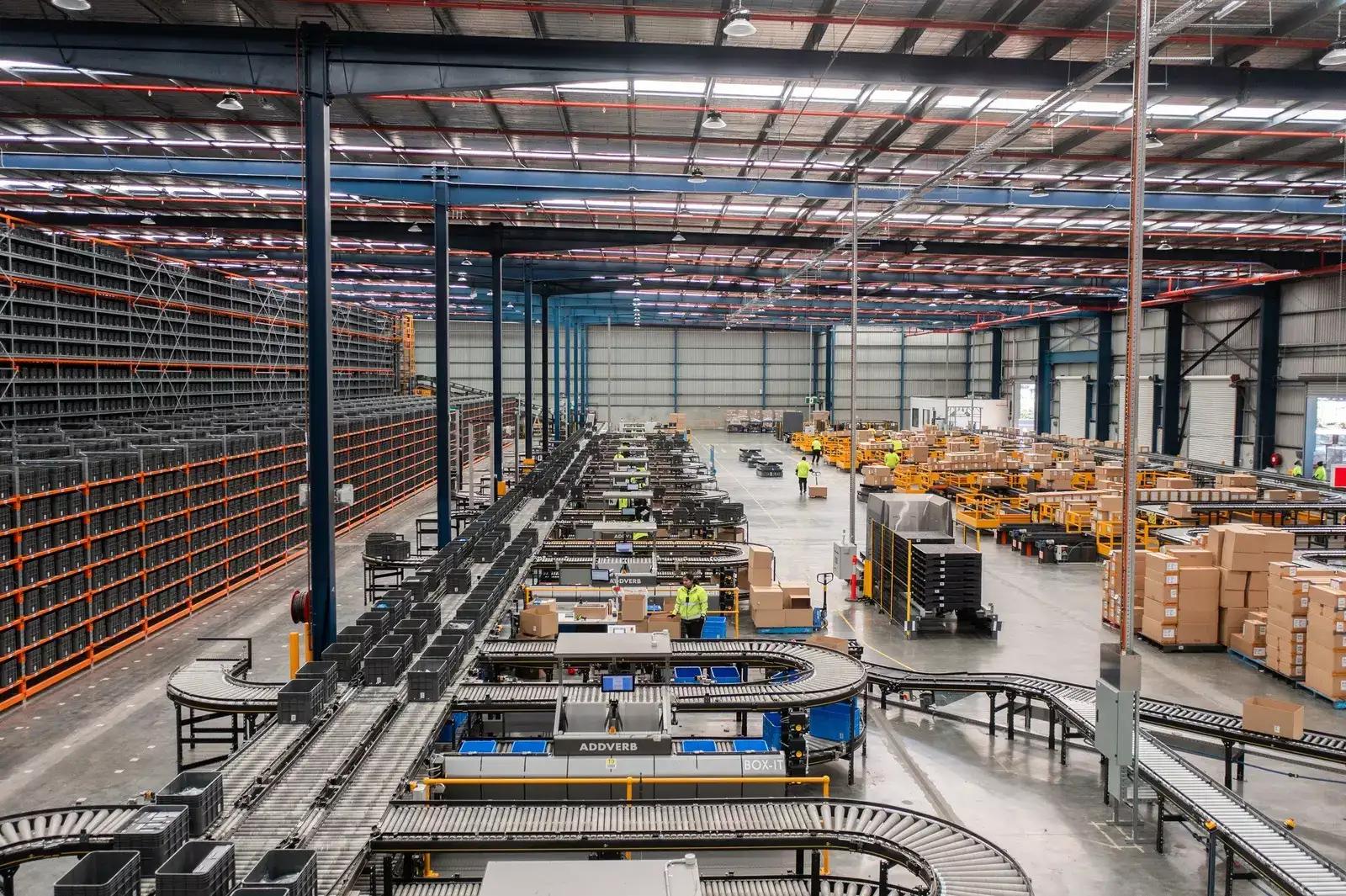
India’s ambition to emerge as a global manufacturing hub has increasingly shaped its economic policy. From the Make in India initiative to Production Linked Incentive (PLI) schemes and industrial corridor development, successive policy interventions have attempted to strengthen domestic production capabilities and attract investment. Yet one of the persistent constraints facing Indian manufacturing is the uneven availability of reliable industrial infrastructure. The Bharat Audyogik Vikas Yojna (BHAVYA), approved in March 2026, seeks to address this challenge through the development of 100 plug-and-play industrial parks across the country. Its larger significance, however, lies in a more fundamental question: can infrastructure-led industrial development translate into a more competitive and inclusive manufacturing ecosystem?
With a financial outlay of Rs. 33,660 crore, BHAVYA aims to develop investment-ready industrial parks over six years, from 2026–27 to 2031–32. The initiative proposes integrated industrial ecosystems equipped with developed land, internal roads, electricity, water supply, drainage, common treatment facilities, testing laboratories and warehousing. It also provides for worker-support infrastructure, including housing and other amenities.
The underlying economic rationale is straightforward. Establishing a manufacturing unit involves more than acquiring land and installing machinery. Businesses must also arrange electricity, water, transportation, waste management and regulatory approvals. These requirements can increase initial investment costs and delay production, particularly for smaller enterprises.
By developing essential infrastructure before businesses enter, the plug-and-play model seeks to reduce these barriers. The scheme also provides financial support of up to Rs. 1 crore per acre for eligible infrastructure and assistance for external infrastructure, subject to prescribed limits.
In economic terms, this approach can reduce transaction costs, improve investment certainty and make industrial locations more attractive. It also reflects a shift towards treating infrastructure as a shared productive asset rather than an individual responsibility of every manufacturing enterprise.
Industrial Clustering
The economic potential of BHAVYA extends beyond the physical infrastructure it intends to create. Industrial parks can generate benefits through the geographical concentration of economic activity, commonly understood as agglomeration economies.
When manufacturers, suppliers, logistics providers and service enterprises operate in proximity, they can benefit from lower transportation costs, easier access to intermediate goods, shared facilities and knowledge spillovers. Such clustering can improve productivity and strengthen domestic supply chains.
This is particularly relevant for India’s Micro, Small and Medium Enterprises (MSMEs). According to the Economic Survey 2025–26, MSMEs account for approximately 35.4 per cent of manufacturing output, 48.58 per cent of exports and 31.1 per cent of GDP. Their participation is therefore essential to any meaningful expansion of India’s manufacturing capabilities.
For smaller manufacturers, access to common testing facilities, warehousing, reliable utilities and logistics infrastructure can significantly reduce operational constraints. BHAVYA could provide an institutional framework through which such enterprises become better integrated into larger industrial supply chains.
However, the availability of infrastructure does not automatically guarantee its accessibility. If land prices, leasing costs and operational charges remain unaffordable, smaller enterprises may struggle to benefit from these parks. Ensuring that MSMEs can access shared facilities and participate in procurement networks will be crucial to making the scheme economically inclusive.
While BHAVYA addresses an important constraint, India’s manufacturing challenges extend beyond infrastructure deficits.
The availability of industrial land and utilities cannot independently resolve issues relating to technological capabilities, access to finance, workforce skills, productivity and regulatory uncertainty. Manufacturing competitiveness depends on how effectively these factors work together.
The implementation of BHAVYA will also require close coordination between the Centre, state governments and private developers. Land availability, environmental clearances, utility connections and local approvals often involve multiple institutions. Although the scheme emphasises streamlined approvals and digital governance, their effectiveness will ultimately depend on administrative coordination at the state and local levels.
Location will be equally important. Industrial parks must have meaningful access to transport networks, ports, markets and labour pools. Without such connectivity, even well-developed industrial infrastructure risks becoming commercially unattractive.
There is also a demand-side consideration. The construction of industrial parks must be accompanied by genuine investor interest and the establishment of operational manufacturing units. Otherwise, public investment may result in infrastructure that remains underutilised. The challenge, therefore, is not simply to create industrial space but to generate sustained industrial activity within it.
Beyond Investment
BHAVYA’s success should not be assessed solely through the number of parks developed, the amount of land made available or the investment proposals received. These are important implementation milestones, but they do not necessarily reflect improvements in manufacturing productivity or economic competitiveness.
A more meaningful assessment would examine the number of operational manufacturing units, capacity utilisation, private investment mobilised, MSME participation, employment generated and growth in manufacturing value addition.
The quality of employment also deserves attention. Industrial development requires a workforce that can access affordable housing, transport, healthcare and other essential services. The inclusion of worker-support infrastructure within BHAVYA is therefore significant. Such facilities should be treated as an integral component of productive industrial ecosystems rather than supplementary amenities.
India’s manufacturing ambitions will ultimately depend on its ability to move beyond investment attraction towards sustained improvements in productivity, technological capabilities and domestic value addition.
BHAVYA represents an important attempt to address the infrastructure dimension of this challenge. Its success, however, will depend on whether these industrial parks evolve into functioning centres of production, innovation and employment. Building 100 industrial parks may establish the physical foundation for manufacturing-led growth. Ensuring that businesses can thrive within them will determine whether that foundation translates into lasting economic gains.
(The writer is an economics postgraduate from Jawaharlal Nehru University with research interests in economic policy, trade and global governance. Views personal)