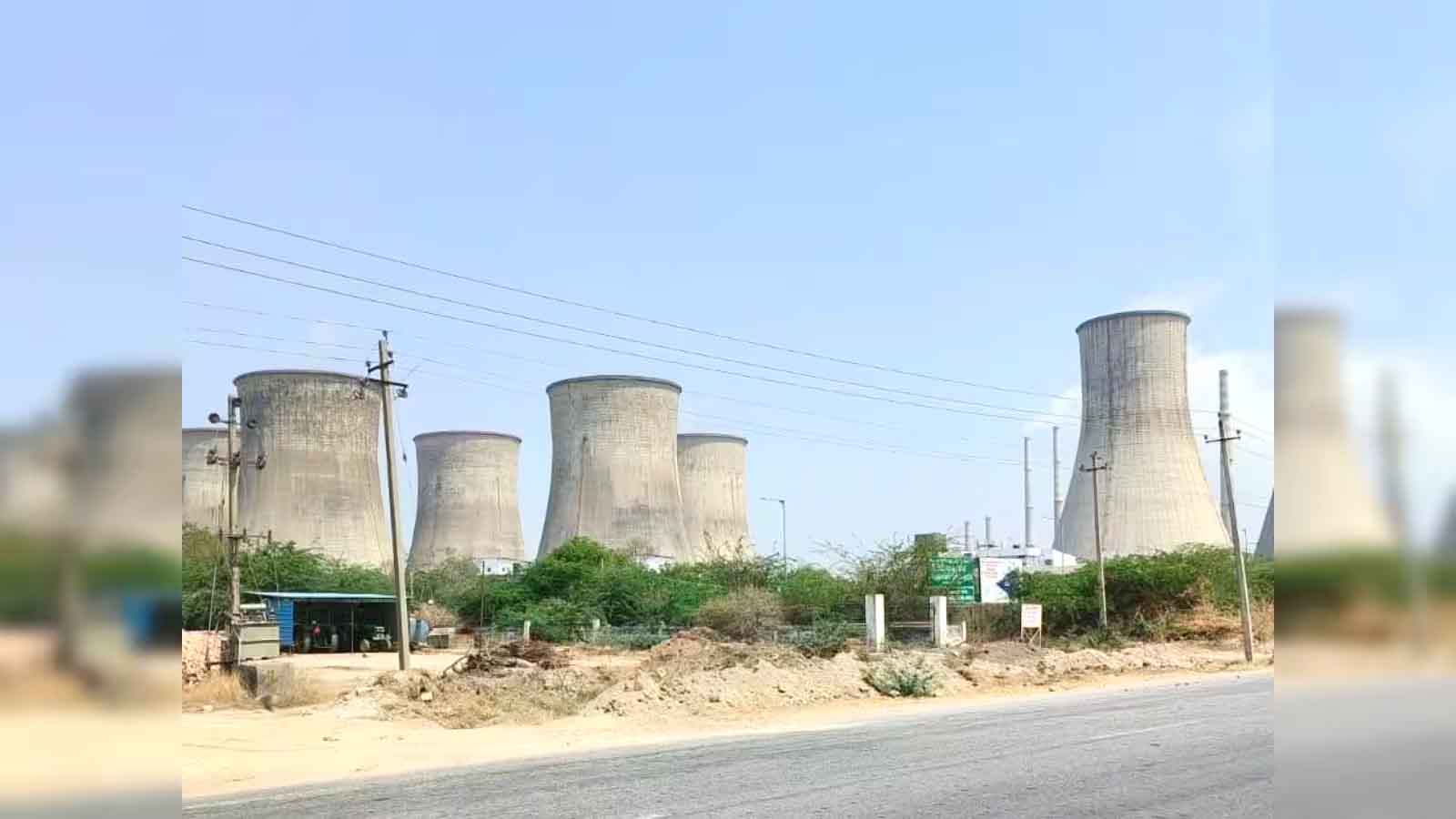
Mumbai: Maharashtra’s power distribution companies are grappling with supply pressure after four thermal power generation units of the state-owned power producer were forced out of operation due to technical faults and maintenance-related issues at various power stations across the state, even as electricity demand remains elevated during the ongoing festive season.
The shutdowns at Bhusawal, Chandrapur, Koradi and Khaparkheda thermal power stations have reduced available generation capacity by around 1,500 MW, placing additional burden on distribution utilities to bridge the gap through costly market purchases and alternative sources of power.
Electricity Consumption
The disruption comes at a time when electricity consumption has surged owing to the combined impact of festival-related commercial activity, agricultural demand and the continuing effects of higher temperatures in several parts of the state.
Electricity demand, which had been hovering around 27,000 MW, crossed 32,000 MW during the festive period and the prolonged October heat. At the same time, four thermal generation units at Bhusawal, Chandrapur, Koradi and Khaparkheda remained out of operation, reducing available supply by nearly 1,500 MW.
As a result, MahaGenco's thermal stations were generating only 6,392 MW against an installed thermal capacity of 10,842 MW. The situation was aggravated by lower-than-scheduled allocations from the central generating pool, with Maharashtra receiving 3,903 MW against an allocated 5,558 MW.
Despite the shortfall, the state has managed to avoid large-scale disruptions owing to support from renewable and private-sector sources. Solar generation has been providing around 10,000 MW during daytime hours, while another 6,000 MW has been available through the Chief Minister's Solar Agriculture Feeder Scheme.
Maharashtra has also been drawing 5,487 MW against contracted private-sector capacity of 5,785 MW. However, energy sector experts caution that prolonged outages at thermal stations could significantly increase dependence on expensive market purchases by distribution companies if demand continues to rise.
Four Thermal Units
Officials in the power sector say the immediate concern is not merely the outage of the four thermal units but the shrinking cushion available to meet sudden spikes in demand. Maharashtra depends heavily on thermal generation for base-load supply, and any disruption at major generating stations can quickly affect the overall availability of power.
The four affected units include one each at Bhusawal, Chandrapur, Koradi and Khaparkheda, reducing generation from state-owned thermal stations well below installed capacity.
The current situation highlights the vulnerability of the state’s power sector to technical failures in ageing thermal infrastructure. Industry sources attribute several recent disruptions across generating stations to equipment-related issues, coal quality concerns and operational stress on machinery running under demanding conditions.
Similar challenges were reported earlier this year when multiple generating units developed technical faults simultaneously, leading to a substantial fall in generation and forcing utilities to explore emergency procurement options.
The challenge is compounded by constraints elsewhere in the electricity supply chain. Hydropower generation has remained below potential because of lower reservoir availability in some regions, while gas-based generation continues to face fuel-related constraints.
Reports have also pointed to coal supply concerns and variations in coal quality, factors that can affect the efficiency and reliability of thermal generation units.
Energy experts point out that repeated outages at thermal plants raise broader questions about maintenance practices and capacity planning. They believe the coming weeks will be crucial. If the affected units are restored quickly, the system is likely to absorb the disruption without major consequences for consumers.
However, if technical problems persist and demand rises further during peak consumption periods, distribution companies may face increasing dependence on expensive short-term power purchases. That would not only strain utility finances but could also intensify concerns over the long-term sustainability of power supply management in the state.