
The renewed excitement surrounding filmmaker Nitesh Tiwari’s Ramayana has rekindled interest not merely in the epic’s characters and timeless narrative but also in the landscapes associated with its extraordinary journey. From the sacred city of Ayodhya to the lush highlands of Sri Lanka, a network of destinations across South Asia continues to preserve the Ramayana’s legacy through temples, pilgrimage traditions and local folklore.
Starring Ranbir Kapoor as Lord Rama, Sai Pallavi as Goddess Sita and Yash as Ravana, the ambitious cinematic project has brought the epic back into popular conversation. While much of the film’s production took place in Mumbai, its narrative geography stretches across several regions and countries, offering a fascinating itinerary for travellers drawn to mythology, history and spiritual heritage.
For those wishing to look beyond the screen, these destinations provide an opportunity to encounter the living traditions surrounding one of the subcontinent’s most celebrated epics.
Sacred Beginnings
Situated on the banks of the Saryu River in Uttar Pradesh, Ayodhya occupies a central place in the Ramayana as the birthplace of Lord Rama. The city’s religious significance draws devotees throughout the year, with the Ram Janmabhoomi Temple now among its most prominent pilgrimage landmarks. Hanuman Garhi and Kanak Bhawan are other important destinations, each woven into the city’s rich religious traditions. For pilgrims, Ayodhya is not simply a place associated with the epic; it is where Rama’s story begins.
Further east, the historic region of Mithila, extending across parts of Bihar and southern Nepal, is celebrated as the homeland of Goddess Sita. According to the Ramayana, it was here that Rama won Sita’s hand by successfully lifting and breaking the bow of Lord Shiva at King Janaka’s court. Janakpur in Nepal remains an important centre of devotion, with its magnificent Janaki Mandir attracting pilgrims and visitors. The temple, dedicated to Sita, is a striking reminder of the region’s enduring association with the epic.
Chitrakoot, straddling the Uttar Pradesh–Madhya Pradesh border, offers a different landscape altogether. Surrounded by wooded hills, rivers and sacred sites, the region is traditionally associated with the years Rama, Sita and Lakshmana spent in exile. It is also remembered as the place where Bharata sought to persuade Rama to return to Ayodhya and reclaim his throne. Ram Ghat, Kamadgiri and the Bharat Milap Temple remain among its principal attractions, drawing devotees who retrace the footsteps of the epic’s protagonists.
In Maharashtra, Nashik’s Panchavati neighbourhood, situated along the Godavari River, is associated with some of the Ramayana’s most consequential episodes. Tradition holds that Rama, Sita and Lakshmana lived here during their forest exile. The encounter with Shurpanakha, which eventually set in motion the chain of events leading to Sita’s abduction, is also linked to this region. Sita Gufa and the Kalaram Temple remain important landmarks for pilgrims visiting Nashik.
Hanuman’s Kingdom
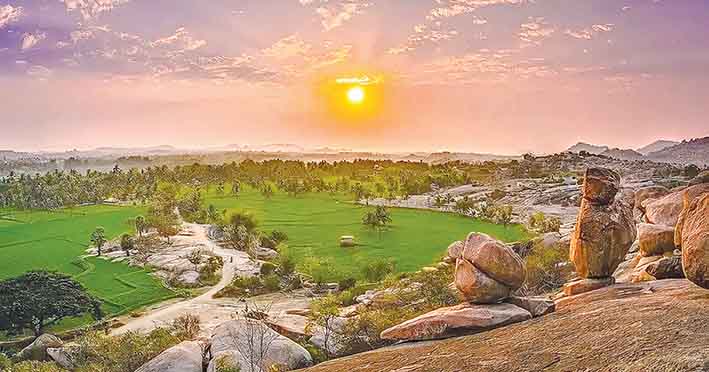
The spectacular rocky landscape surrounding Hampi in Karnataka is traditionally identified with Kishkindha, the legendary kingdom of the Vanaras. It was here, according to the epic, that Rama encountered Hanuman and forged an alliance with Sugriva in his search for Sita. The region’s striking boulder-strewn terrain lends itself naturally to the mythical associations that have endured through generations. Anjanadri Hill, regarded by many devotees as the birthplace of Hanuman, is among its most significant spiritual attractions.
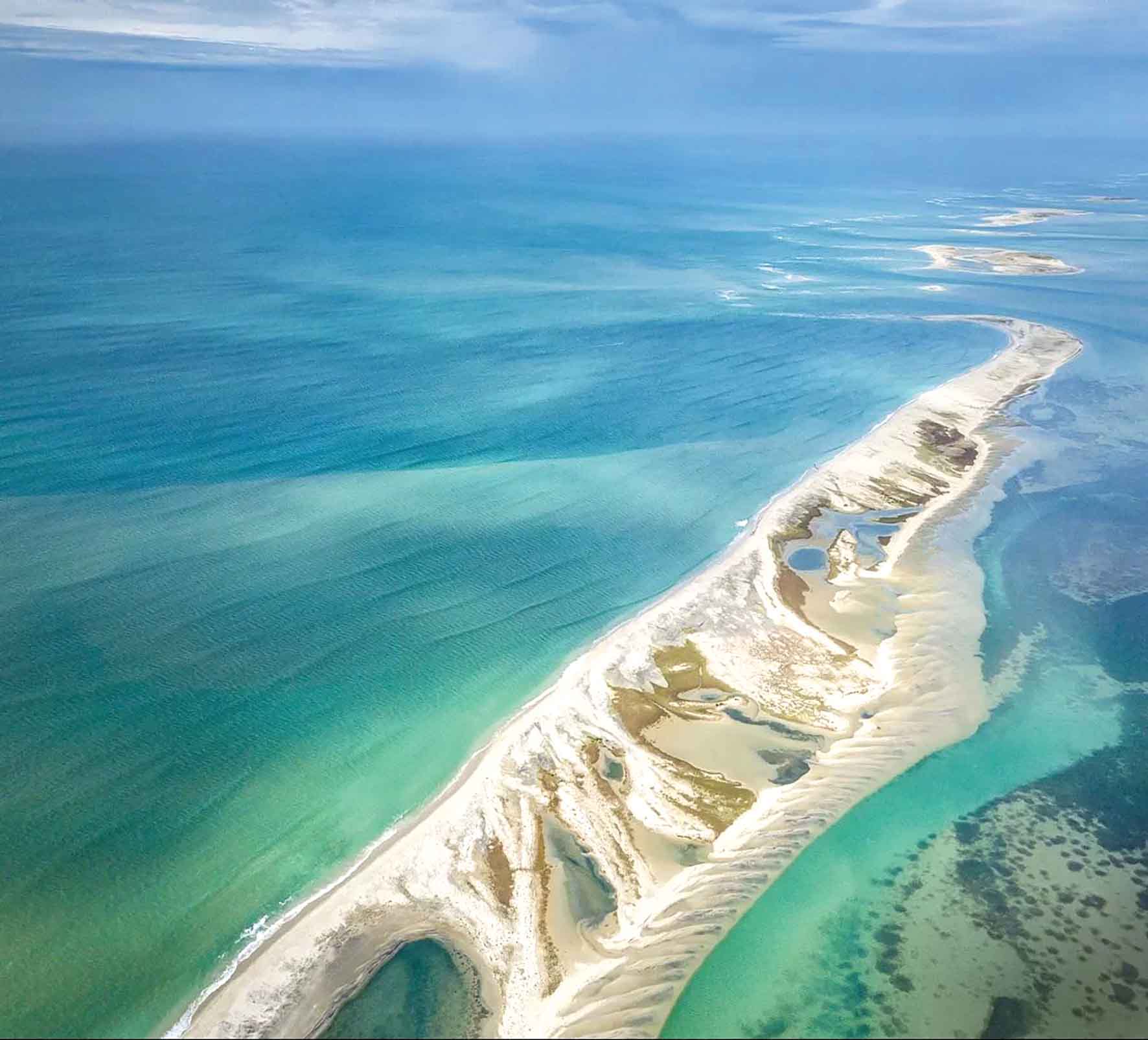
Further south, Rameswaram in Tamil Nadu marks an important geographical and spiritual link in Rama’s journey towards Lanka. According to the epic, Rama’s forces constructed a bridge across the sea to reach Ravana’s kingdom and rescue Sita. The legendary Ram Setu remains central to the region’s religious imagination, while the Ramanathaswamy Temple, one of Hinduism’s most revered pilgrimage centres, draws devotees from across the country. Its magnificent corridors and sacred tanks make it an architectural as well as spiritual landmark.
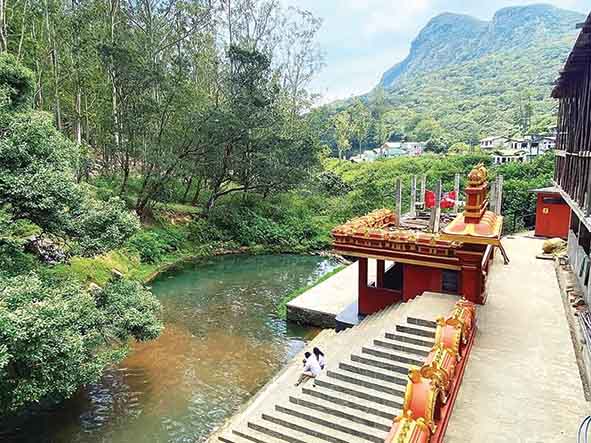
Across the Palk Strait, Sri Lanka offers perhaps the most intriguing chapter of the Ramayana trail. The island is traditionally identified with Ravana’s kingdom, where Sita was held captive after her abduction. Several locations across the country are associated with episodes from this part of the epic. Near Nuwara Eliya, the Sita Amman Temple is believed to mark a place where Sita spent her captivity. Sita Kotuwa and Ravana Cave near Ella are other sites linked by local traditions to the Ramayana narrative.
These destinations offer visitors an opportunity to explore the island’s rich landscapes while encountering the stories, beliefs and folklore that have shaped its association with the epic. Their appeal lies as much in the cultural traditions surrounding them as in their geographical and historical settings.
Living Legacy
The Ramayana’s influence has travelled far beyond the pages of literature and the frames of cinema. Across South Asia, it has shaped religious practices, artistic expression, local folklore and pilgrimage routes, acquiring distinctive interpretations in different regions and communities.
The historical identification of several sites with specific episodes in the epic remains a matter of faith, tradition and interpretation rather than established historical fact. Yet that distinction does little to diminish their cultural significance. Their enduring appeal lies in the remarkable continuity of stories that have been retold, reimagined and celebrated over centuries.
As Tiwari’s cinematic adaptation brings the Ramayana to a new generation, these destinations offer something that no film set can quite replicate: an encounter with the landscapes, temples and communities that have kept its memory alive. For travellers, the journey is ultimately as much about discovering the cultural geography of South Asia as it is about following the footsteps of Rama, Sita and Hanuman.