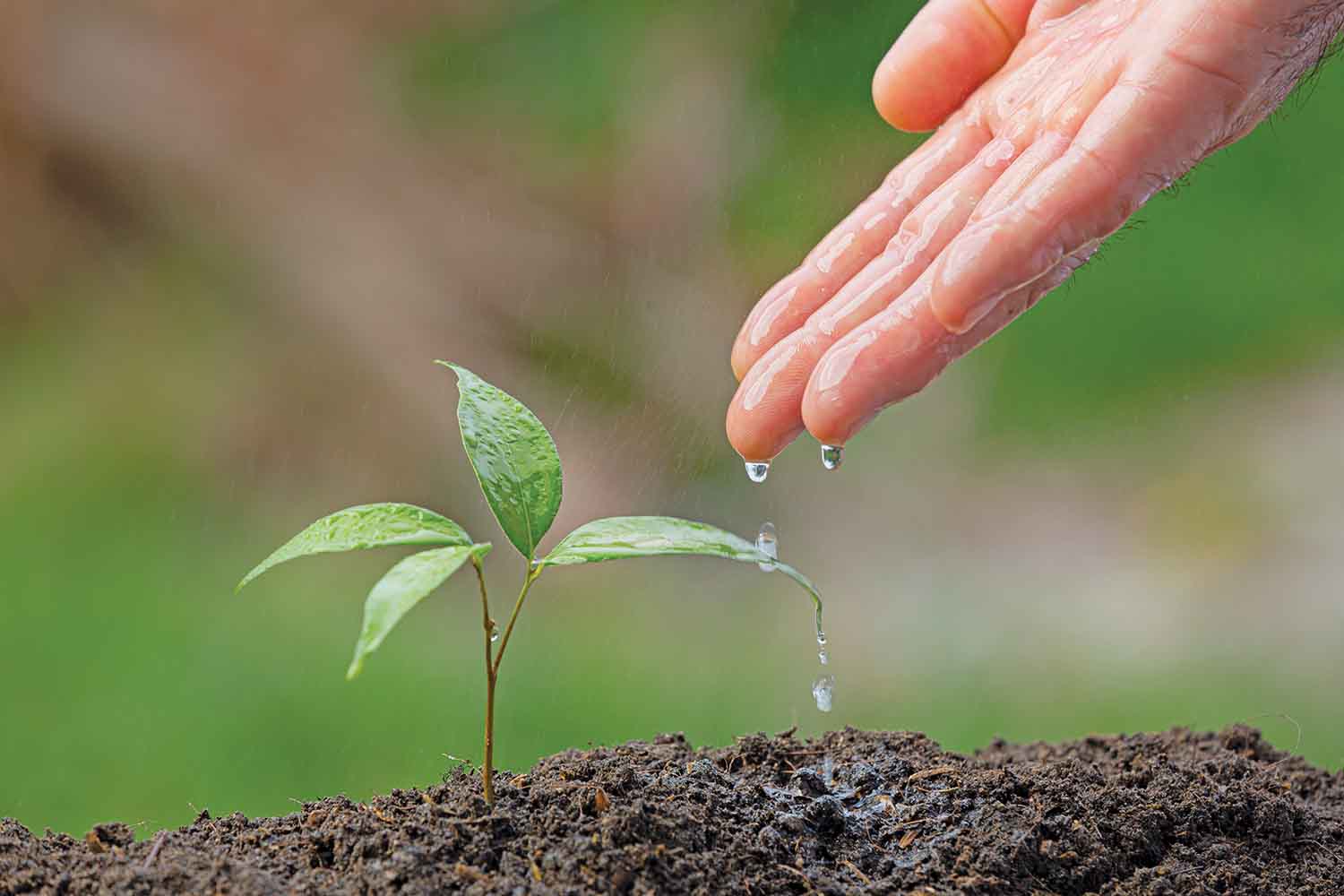
Water is essential to life, agriculture and human development. From household consumption and food production to industrial growth and ecological balance, all depend on its availability. Yet water is wasted, polluted and overexploited. With climate change, erratic rainfall and declining groundwater levels worsening the crisis, conservation is urgent. Schools offer a promising starting point, with students emerging as ambassadors of water conservation.
Although water covers nearly three-fourths of the Earth's surface, only a fraction is available as freshwater for human consumption. Population growth, urbanisation, rising demand, erratic monsoons and groundwater overexploitation have intensified the global water crisis. Drought-prone regions are particularly vulnerable, with inadequate rainfall and declining water availability affecting agriculture, livelihoods and daily life.
Water scarcity is no longer merely an environmental issue; it is a challenge to sustainable development, social well-being and economic stability.
Schools can address this challenge by instilling water-conscious habits in students. Education must extend beyond textbooks to encourage practical action and responsible behaviour. By valuing every drop and practising conservation daily, students can inspire change in their families and communities.
Water conservation begins with everyday habits. Turning off taps while brushing, washing hands or cleaning utensils, and avoiding excessive water use while bathing and doing household chores can prevent wastage. Students must use only the water required. Practised consistently by thousands, these small actions can yield substantial savings.
Another effective approach is reusing water. Leftover drinking water from bottles can be used to water plants rather than be discarded. Wastewater from RO purifiers can be collected for cleaning floors, washing outdoor areas and other non-drinking purposes. Students should avoid overfilling drinking bottles. Such practices encourage responsible consumption and reduce pressure on available water resources.
Rainwater harvesting is a practical solution to water scarcity. Rainwater collected from rooftops and open spaces can be stored for gardening, cleaning and other uses. Schools, colleges, residential buildings and public institutions should adopt harvesting systems to reduce dependence on external water supplies, recharge groundwater and improve availability during dry periods.
Preventing water leakage is equally important. Dripping taps, overflowing tanks and damaged pipelines may seem minor, but continuous leakage causes significant water loss. Students should promptly report such problems to teachers, parents or school authorities. Schools can conduct regular water audits to monitor consumption, identify wastage and improve efficiency in classrooms, washrooms, gardens and drinking water facilities.
Gardening and plantation activities offer opportunities to conserve water. Watering plants early in the morning or evening reduces evaporation. Using watering cans instead of hoses and adopting drip irrigation improves water efficiency. Planting native and drought-resistant species further reduces irrigation needs. Trees and green spaces maintain ecological balance, protect soil and support the natural water cycle.
Beyond individual responsibility, students can lead community-based conservation initiatives. Schools can establish Water Conservation Clubs to organise awareness campaigns, rallies, poster-making competitions, slogan-writing activities and environmental presentations. Students can encourage parents, neighbours and friends to adopt water-saving practices and join cleanliness drives around rivers, lakes, ponds and other water bodies, recognising that preventing pollution is as important as conserving water.
Schools can introduce a seven-day water conservation challenge. Students can identify leaking taps at home and school, reuse leftover water, prepare awareness posters, educate five friends about water conservation and monitor household water consumption. Such activities turn awareness into practical action and foster a lifelong commitment to sustainability.
Water conservation requires collective effort from teachers, parents, school managements, local authorities and communities. Schools must lead by maintaining water-saving infrastructure, harvesting rainwater, preventing leaks and monitoring consumption. A school that saves water today becomes a model for a water-conscious community tomorrow.
Water conservation is not a temporary campaign, ceremonial activity or responsibility limited to summer months. It is a continuous commitment that must become part of our lifestyle. Every drop saved today contributes to a more secure tomorrow. Every responsible action strengthens the collective effort towards sustainability.
Students are not merely learners; they are change-makers, environmental ambassadors and the Water Warriors of Tomorrow. Their awareness, enthusiasm and determination can inspire society to rethink its relationship with natural resources.
The true value of water is understood not when the tap runs dry, but when we choose to protect every drop while it is available.
(The writer is the principal of Podar International School, Latur. Views personal.)