
<% catList.forEach(function(cat){ %>
<%= cat.label %>
<% }); %>
<%- node_title %>
<% if(node_description!==false){ %><%- node_title %>
Published On
<% if(node_description!==false) { %>
<%= node_description %>
<% } %>
<% catList.forEach(function(cat){ %>
<%= cat.label %>
<% }); %>
Read...
The ‘Exclusionary Vision’ Dilemma for Sovereign Countries
Published On
Sovereign nations protect their distinct cultural foundations while still upholding an inclusive vision of governance. The same principle should apply to India.
The ‘Universal Oneness Celebration’ event that was recently...
Read...

Beyond the Protest: The Gen-Z Test for Indian Democracy
Published On
Ever since the protests at Jantar Mantar over the NEET paper leak, Gen-Z and its zealous outbursts against several issues in society are quickly becoming national headlines. Ranchi saw Gen-Z...
Read...
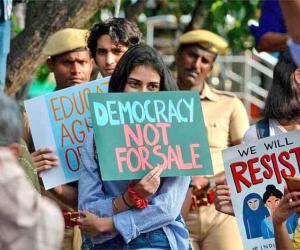
The Questions Left Behind at Jantar Mantar and Ranchi
Published On
India’s examination crisis is real. But the politics around Jantar Mantar and Ranchi risks obscuring the harder questions about education.
Soon after Jantar Mantar finally heaved a sigh of relief...
Read...
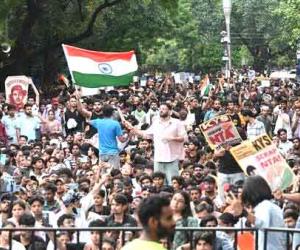
The Age of Democratic Impatience
Published On
From Britain to Nepal, economic discontent is rewriting the rules of democratic politics.
Although the United Kingdom and Nepal occupy opposite ends of the global economic spectrum, they offer a...
Read...
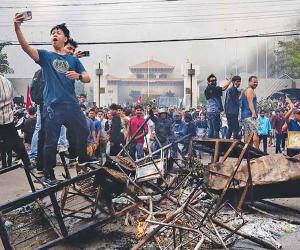
The Hidden Lessons of India’s Political Splits
Published On
Mass defections are often blamed on ambition. But history suggests that parties begin to fracture when they lose ideological purpose.
The spate of mass defections and vertical splits witnessed over...
Read...
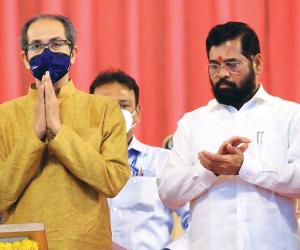
The Limits of India’s Scientific Temper
Published On
Instead of getting trapped in binaries, Indian society must learn the neutrality that genuine scientific temper demands.
AI generated image
Article 51A(h) of the Indian Constitution, added through the 42nd...
Read...

The AI Mirage: The Limits of Technological Prophecy
Published On
Artificial intelligence may change much, but perhaps not quite in the way its prophets and pessimists imagine.
AI generated image
Every discussion about artificial intelligence today seems destined to arrive...
Read...

The Human Advantage in an Artificial Age
Published On
As artificial intelligence grows smarter and more efficient, the real battle may not be about machines surpassing humanity but about whether humans squander the qualities that still set them apart....
Read...

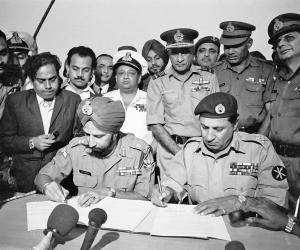
What the World Can Learn from India’s 1971 War
Published On
Our country’s conduct in the 1971 War with Pakistan offers several lessons at a time when the principles of peaceful coexistence and a rules-based global order are in freefall.
History...
Read...
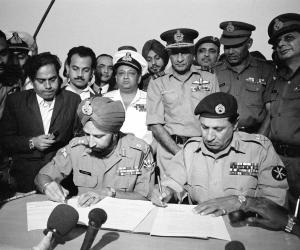
The Perils of Excess Virtue
Published On
While India’s civilisational ideals of restraint and magnanimity are admirable, they must be tempered by strategic realism in a harsher world.
Humanity may have emerged from the trauma of the...
Read...
Why Sustainability Isn’t Sustaining Itself
Published On
While global leaders preach sustainability with near-religious fervour, the green promise risks collapsing into empty ritual without incentives or a moral framework.
Few ideas command such effortless global consensus as...
Read...
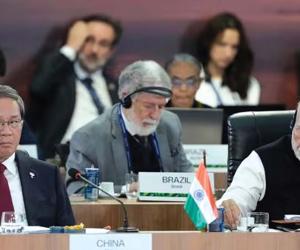
Breaking the Macaulay Mindset
Published On
India’s colonial hangover cannot be vanquished until its democratic institutions relearn how to govern themselves.
Prime Minister Narendra Modi’s recent invocation of the need to defeat the “Macaulay mindset” has...
Read...
About The Author
