

A Masterclass in Ruining a Cricket Side

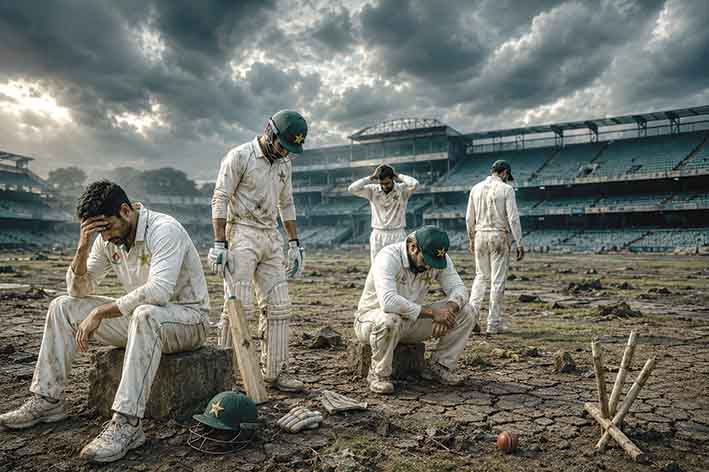
The Pakistan Test team - that glorious institution where hope goes to die a slow, bureaucratic death, and every series feels like a carefully choreographed exercise in national disappointment. As of August 2026, they sit somewhere between seventh and eighth in the ICC Test rankings, clinging to respectability with the same grip a drowning man might apply to a brick. Their recent form has been less “proud cricket nation” and more “why do we even bother turning up?”
Let’s start with the greatest hits of humiliation. In May 2026, Bangladesh—yes, Bangladesh—whitewashed them 2-0 at home. Not a hard-fought contest. A proper, no-excuses, Taijul-Islam-and-friends dismantling. Pakistan chased 437 in the second Test and fell short by 78 runs after Rizwan’s valiant 94 proved once again that individual heroics cannot paper over structural rot. Bangladesh completed their first home series win against Pakistan and a second successive sweep, having already done the same on Pakistani soil in 2024. The team that once terrorised the world with reverse-swing and wristy batting now loses to sides that used to be punching bags. How the mighty have… well, they haven’t fallen so much as face-planted repeatedly into the same mud puddle.
Then came the West Indies tour. They lost the first Test by 90 runs—because of course they did—before scraping an eight-wicket win in the second. That victory, their first away from home since July 2023, ended an eight-match losing streak on the road. The celebrations were appropriately muted. Drawing 1-1 with a West Indies side that is itself a work in progress is the cricketing equivalent of finding a twenty-rupee note in an old pair of jeans: nice, but not exactly transformative. Now they are in England, currently being taught a lesson at Headingley, with Babar Azam injured and Salman Agha handed the captaincy for the opener. Momentum? What momentum?
The last time Pakistan truly tasted sweet success in Tests was the 2024-25 home series against England, which they won 2-1 after trailing. That felt like a proper revival: spin-friendly pitches, Noman Ali and Sajid Khan running riot, and a rare home series win over a top side. Before that, wins had become rarer than a consistent opening partnership. Since then, the diet has mostly consisted of draws against South Africa at home and the aforementioned thrashings. Sweet success is now measured in isolated victories rather than sustained excellence. The team that was once No. 1 under Misbah-ul-Haq a decade ago now treats competence like an optional extra.
Revolving Door
What makes this particularly delicious is the self-inflicted nature of the misery. Captaincy has been a revolving door of underwhelming results. Shan Masood’s tenure produced a historically poor win-loss ratio—12 losses in 16 Tests—before Babar Azam was reinstalled for a second go. Selection remains an exercise in whimsy: senior pacers dropped, uncapped youngsters thrown in, and the same batting frailties recycled. The once-fearsome pace attack has been diluted; the batting lacks the steel of previous generations. Domestic cricket continues to produce talent that mysteriously regresses the moment it puts on the green shirt. Political interference, short-term thinking, and a selection policy that prioritises the latest bright idea over coherent strategy have turned a proud Test side into a cautionary tale.
So, two major changes to revive this comedy of errors.
First, stop the endless tinkering and install a fixed, long-term selection panel with genuine authority and a multi-year mandate. No more chopping captains, dropping proven performers on a whim, or rotating selectors like it’s a game of musical chairs. Give the panel the power to build a core squad of 15-16 players and stick with them through a full World Test Championship cycle. Demand accountability: if results don’t improve after two years of consistency, fire them. But until then, end the chaos. Pakistan’s talent pipeline is not the problem; the inability to nurture and retain it is. A stable selection process would force the development of specialist Test players instead of perpetual all-format compromise candidates who excel at neither.
Second, overhaul the batting order and culture by prioritising red-ball specialists and technical resilience over reputation and white-ball pedigree. Drop the romance of “natural talent will sort it out” and insist on players who can bat long periods, leave well outside off, and build innings under pressure. Promote consistent performers from the domestic first-class system who average 45-plus in Quaid-e-Azam Trophy conditions and blood them properly rather than as emergency replacements. Pair this with a coaching emphasis on defensive technique and mental toughness—hire specialists if necessary—rather than another recycled former player who talks a good game. The current setup produces flashy 60s followed by soft dismissals. Change the incentive structure: reward occupation of the crease and partnerships over strike rates that look good on social media.
(The writer is a senior journalist based in Mumbai.)
Comments