top of page

By:

Abhijit Mulye

21 August 2024 at 11:29:11 am

Red flag to green steel

Ex-Maoists forge new destiny in Gadchiroli Gadchiroli: The rugged, forested terrain of Gadchiroli district, long synonymous with the violence and deep-rooted anti-establishment tenets of the ‘Red Ideology’, is now witnessing a remarkable social and industrial transformation. At the Lloyds Metals and Energy Ltd. (LMEL) plant in Konsari, once-feared Maoist operatives are shedding their past lives and embracing a new, respectable existence as skilled workers in a cutting-edge Direct Reduced Iron...

Red flag to green steel

Ex-Maoists forge new destiny in Gadchiroli Gadchiroli: The rugged, forested terrain of Gadchiroli district, long synonymous with the violence and deep-rooted anti-establishment tenets of the ‘Red Ideology’, is now witnessing a remarkable social and industrial transformation. At the Lloyds Metals and Energy Ltd. (LMEL) plant in Konsari, once-feared Maoist operatives are shedding their past lives and embracing a new, respectable existence as skilled workers in a cutting-edge Direct Reduced Iron (DRI) and pellet plant. This ‘green steel’ project, part of LMEL’s push for an integrated steel complex in the region, is functioning not just as an industrial unit but as a crucial pillar in the Maharashtra government’s surrender-cum-rehabilitation policy. So far, LMEL, in coordination with the state government and the Gadchiroli Police, has provided employment and training to 68 surrendered Maoists and 14 members of families affected by Naxal violence, a total of 82 individuals, offering them a definitive pathway back to the mainstream. The Shift The transformation begins at the company’s dedicated Lloyds Skill Development and Training Centre at Konsari. Recognizing that many former cadres had limited formal education, the company implements a structured, skill-based rehabilitation model. They are trained in essential technical and operational skills required for plant administration, civil construction, and mechanical operations. For individuals like Govinda Atala, a former deputy commander, the change is palpable. “After surrendering, I got the right to live a new life,” Atala said. “I am very happy to get this job. I am now living my life on my own; there is no pressure on me now.” Suresh Hichame, who spent over a decade in the movement before surrendering in 2009 too echoed the sentiments. He realized the path of violence offered neither him nor his family any benefit. Moreover, his self-respecct was hurt. He knew several languages and carried out several crucial tasks for the banned organization remaining constantly under the shadow of death. Today, he works in the plant, receiving a steady monthly salary that enables him to care for his family—a basic dignity the ‘Red Ideology’ could never provide. The monthly salaries of the rehabilitated workers, typically ranging from Rs 13,000 to Rs 20,000, are revolutionary in a region long characterized by poverty and lack of opportunities. Trust, Stability The employment of former Maoists is a brave and calculated risk for LMEL, an industry that historically faced stiff opposition and even violence from the left wing extremist groups. LMEL’s management, however, sees it as an investment in inclusive growth and long-term stability for the district. The LMEL has emphasized the company’s commitment to training and facilitating career growth for the local populace, including the surrendered cadres. This commitment to local workforce upskilling is proving to be a highly effective counter-insurgency strategy, chipping away at the foundation of the Maoist movement: the exploitation of local grievances and lack of economic options. The reintegration effort extends beyond the factory floor. By providing stable incomes and a sense of purpose, LMEL helps the former rebels navigate the social transition. They are now homeowners, taxpayers, and active members of the community, replacing the identity of an outlaw with that of a respected employee. This social acceptance, coupled with economic independence, is the true measure of rehabilitation. The successful employment of cadres, some of whom were once high-ranking commanders, also sends a powerful message to those still active in the jungle: the path to a peaceful and prosperous life is open and tangible. It transforms the promise of government rehabilitation into a concrete reality. The plant, with its production of iron ore and steel, is physically transforming the region into an emerging industrial hub, and in doing so, it is symbolically forging the nation’s progress out of the ashes of extremism. The coordinated effort between private industry, the state government, and the Gadchiroli police is establishing a new environment of trust, stability, and economic progress, marking Gadchiroli’s transition from a Maoist hotbed to a model of inclusive and sustainable development.

A ‘Special’ Journey of Compassion

The nine days of Navratri celebrate goddesses who embody strength in different forms; valour, compassion, creativity, austerity, devotion, justice, protection, forgiveness and wisdom. In our annual Navratri series, we celebrate the lives of nine women who strive to build happy and safe spaces for themselves and those around them.


PART - 10
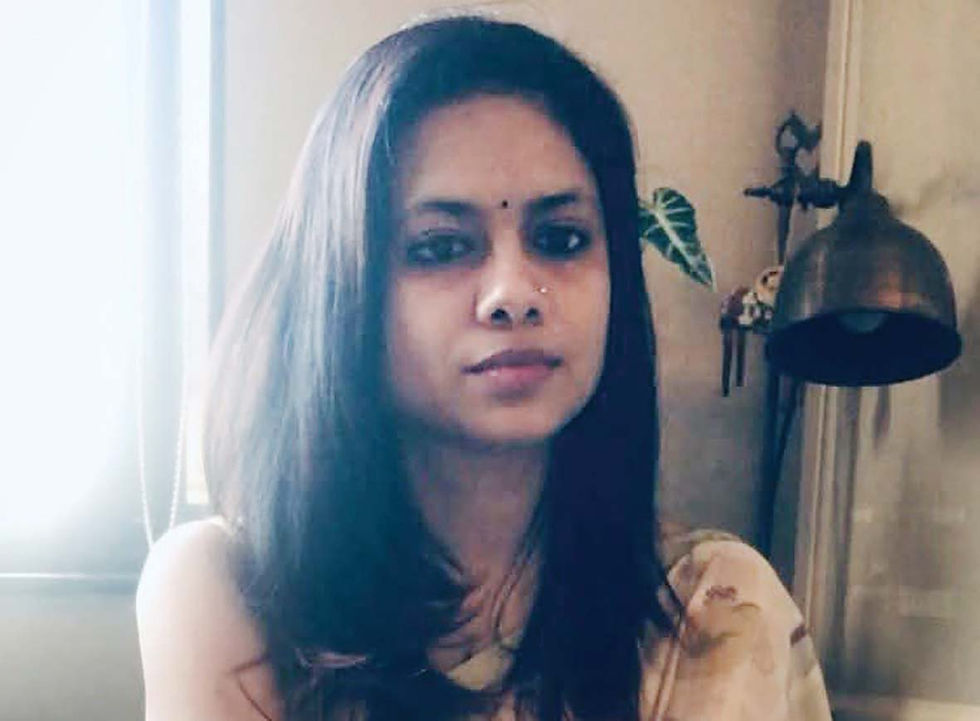

Name: Sonalee Shyamsunder | Where: Mumbai, Maharashtra

Ten-year old Prajyot Bhale from Antop Hill was a multiple disabled child having finger deformity on both his hands and his parents were worried about how he would cope in his life. To his fortune, Prajyot, while studying in a BMC school for special children at Sion, happened to meet members of Urmi Foundation. They took him under their wings and worked tirelessly on improving his developmental and intellectual abilities. Thanks to their efforts, Prajyot – now 22 – has become a skilled artist in making beautiful paper bags and makes his earnings after being employed at a government vocational centre in Tardeo.


“Kids like Prajyot give me immense satisfaction and motivation to work for these special children,” says 41-year-old Sonalee Shyamsunder, a social activist, special educator and the founder of Mumbai-based NGO Urmi Foundation. With this organisation, she has devoted herself to helping children with developmental and intellectual disabilities – especially those from low-income and marginalized communities – gain access to education, therapies as well as dignity and self-respect.


Urmi Foundation primarily works with children who are living with disabilities like cerebral palsy, down syndrome, autism and other such conditions. The NGO focuses on grassroots intervention, including therapy, education and pre-vocational training.


For someone who volunteered with renowned social worker Prakash Amte during her childhood, passion for welfare works came naturally to Sonalee. “I always felt it was one field where you can convert your thoughts into action,” she said. After dabbling briefly into journalism, she worked with children living in red light areas of Mumbai through the organization Prerna. However, her decision to work for children with special needs was solidified after witnessing a heart-wrenching incident.


While looking for a maid in a Chembur slum, Sonalee saw a disabled little girl kept confined and tied by rope in a murky home. She found out that her parents, who were daily wage workers, were unable to take care of her. Deeply affected by the girl’s traumatic condition, Sonalee resolved to set up Urmi foundation for kids with special needs in 2012.


“We started working with BMC schools, which is the cheapest and free education system in the city. The Mumbai Corporation is the only civic body in India which runs schools for special children with special educators,” Sonalee said.


Urmi Foundation runs different programs at the community level as well as with the BMC special schools, to uplift the social and educational standards of the special children and youth. For this, it works on multiple levels – therapeutic, academic and capacity-building. The goal is not simply to enrol children, but to help them develop life skills, improve their cognitive, social and motor skills and become as independent as possible. Going ahead, Sonalee wants to create an accessible, friendly and inclusive eco-system, which will bring together the BMC schools, community centres, Anganwadis and hospitals for the upliftment of special children.

Comments


bottom of page