

BEST strike paralyses Mumbai

Mumbai: For Sai More, an LIC agent, the Friday commute from his home in Century Bazar, Worli to work place in Churchgate, proved as an expensive affair. On a normal day, he spends Rs 12 on a BEST bus fare till Dadar station and then takes the local train to Churchgate. However, he had to shell out more money than his usual spending on the travel. Thanks to the strike by BEST Samyukt Kamgar Kruti Samiti, a joint action committee comprising 12 unions, pressing for its demands of better wages and working conditions.
The strike paralysed the city’s second life line – the BEST bus. Only 32 of 2,766 buses were operated in the city in a rare collapse of the transport system. The strike forced the government to hold a meeting with the officials and workers later in the day to discuss their demands.
More, the sole bread winner in this family, earns Rs 25,000 a month. When he learned about the BEST strike the first went to Aqua Line metro. He boarded the crowded metro from Worli and got down at Dadar. Then he took a local train to Churchgate and hired a share taxi to his office at Nariman Point. “I travel from Dadar to Nariman Point every day using bus and train. But today we faced difficulty because there were no buses. My colleagues and I went together to our office by cab.”
The Samiti has been pressing for three demands. Rangnath Satavase, a representative of the Samiti, said, “We don’t want an independent budget for the BEST. You should include it with the BMC’s budget. The employees are facing issues due to salary arrears since 2016. We demand proper wages from 2016 to 2026 and apply seventh Pay Commission recommendations to the BEST workers. The wet lease workers should be included in the BEST as its workers and they should get minimum wages.”

The BEST bus operators face many issues because there are fewer BEST buses that are working every day. This makes their work difficult. They complain that their salary has not increased since a long time. Vaishali Chavan, a bus conductor, said, “My salary is Rs 18,000 and I don’t get holidays. Now since they have reduced the number of buses, it is difficult to manage the huge number of passenger crowds. This makes our job tough. So, we demand higher wages and better work conditions.”
The operators also claim that they don’t get any holidays except one weekly off. They have to work even during festivals, and if they don’t, their salary gets deducted.
Imran Sheikh, a bus driver, said, “We don’t get equal wages. The salary ranges from Rs 20,000 to Rs 25,000 per month without any holidays. We just get one weekly holiday, but other than that we have to work even on the Labourer’s Day, Gandhi Jayanti, Diwali and Ramzan. If we take leave because of some emergency work, they cut our salaries.”
He has been working for two years. “Some of my colleagues have been working for more than five years. Even their salaries have been the same. They promise they will increase, but they never do, and there is no bonus given.”

Trushna Vishwasrao, chairperson of the BEST Committee, criticised the workers and said they should not have gone on strike when the BEST is already going through a loss. She said, “We agree with their demands, and we will fulfill it, so there is no need for a strike. It takes time to implement all the demands. We have got a gratuity of Rs five crores that we will be using to compensate the salary, and more funds will be coming, which we will use to fulfill their demands.”
She said BEST is running at a deficit in any way. Their strike has also troubled the common public who depend on the BEST buses to travel.
Commuters Stranded
The strike left commuters stranded during the morning rush hour, with long queues seen at bus stops across the city. They later scrambled for already packed local trains, Metro services, autos, and cabs to reach their workplace.
A spokesperson of the civic undertaking said only 48 buses were on Mumbai's roads during the day while some others were forced to return to depots after incidents of stone-pelting and obstruction by striking employees.
BEST is Mumbai's second-largest public transport provider after the suburban railway network and carries around 25 lakh passengers daily through its bus services. It also supplies electricity to more than 10 lakh consumers in south and central Mumbai.
However, union leaders claimed the strike was 100 per cent successful on the first day.
Both transport and power divisions of the BEST took part in the strike. However, power supply to BEST customers in the island city remained unaffected by the agitation.
Many passengers were forced to rely on alternative modes of transport, such as suburban trains, Metro services, autorickshaws, taxis, and app-based cabs, while others reported delays in reaching their workplaces and educational institutions.
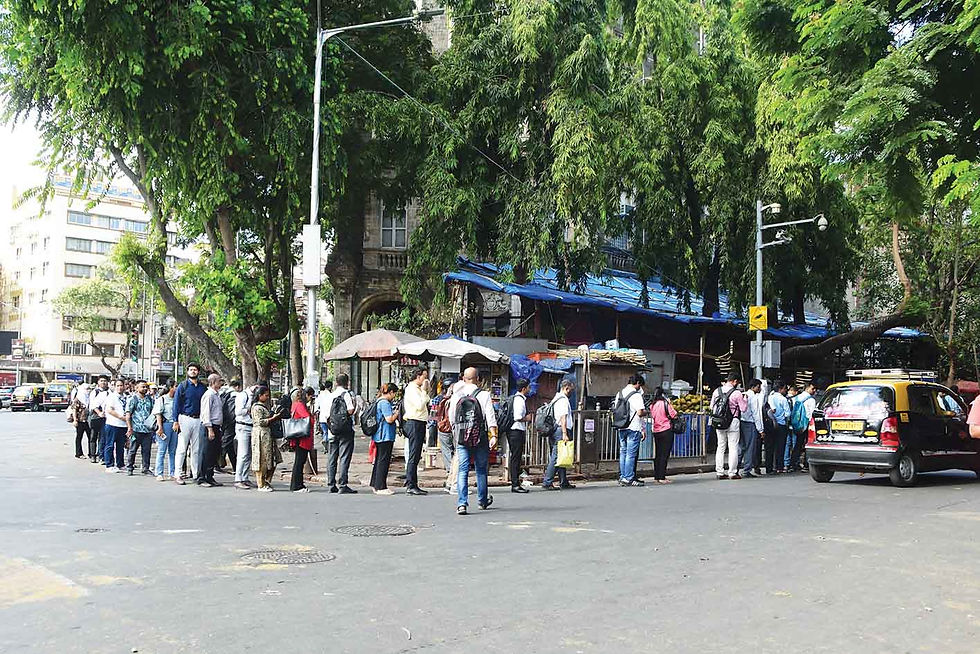
"During weekdays, I travel to work by public transport, but today I took my bike out as there were no buses on the roads," said Sachin Nalawade, who works as a consultant.
The strike commenced despite an ad-interim order passed by an industrial court restraining employees from resorting to a strike and the Maharashtra government's invocation of the Maharashtra Essential Services Maintenance Act (MESMA), which prohibits the disruption of essential services.
“Shared autorickshaws usually charge Rs 30 from Bharat Nagar to Bandra or Kurla, but today drivers were charging as they pleased. Some were demanding Rs 40 to Rs 50,” an employee of the Securities and Exchange Board of India (SEBI) said.
"The issue is not merely that of workers. It is the outcome of the BJP-led Mahayuti government's negligence and wrong policies. It was known to the administration that employees were planning to go on strike. Was the government asleep until lakhs of Mumbaikars were held to ransom? Who will take responsibility for allowing the situation to deteriorate to the point where BEST services came to a halt?"
Varsha Gaikwad, President, Mumbai Congress


Comments