

Can Mumbai Cricket's Golden Legacy Produce Another Sachin Tendulkar?
- Waleed Hussain

- Dec 14, 2025
- 3 min read
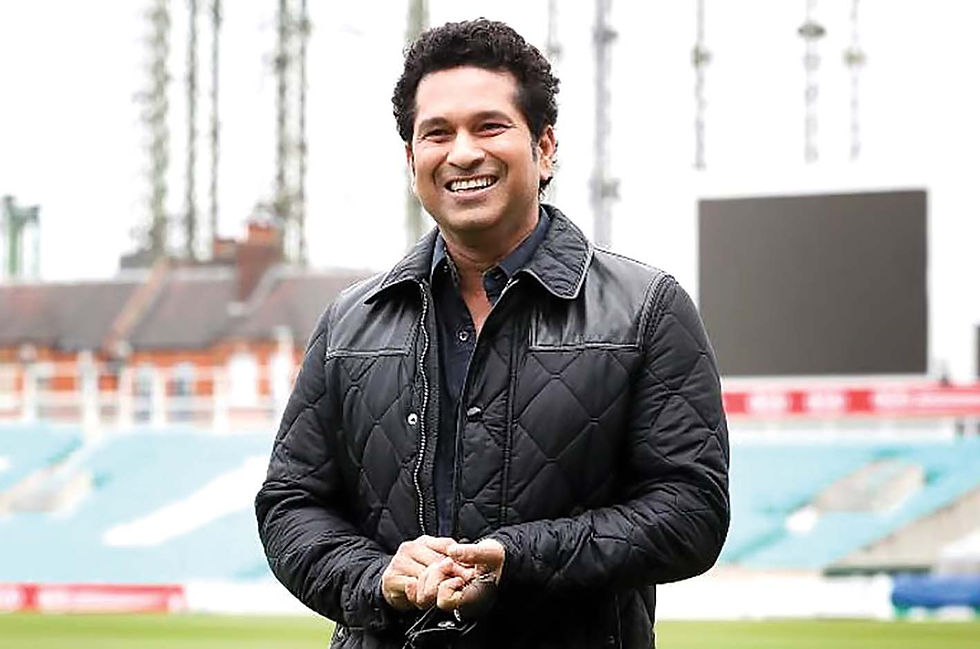
As the cradle of Indian cricket, Mumbai has churned out legends like Sunil Gavaskar, Dilip Vengsarkar, and Sachin Tendulkar, the Little Master himself. Tendulkar, born in 1973, debuted at 16 and redefined batting with his 24-year odyssey of 100 international centuries. But in an era of T20 dominance, IPL glamour, and global distractions, will Mumbai's fabled maidans—Wankhede, Shivaji Park, Cross Maidan—birth another such phenomenon? My view: it's unlikely in the near future, though the talent pool remains deep. Mumbai's system excels at nurturing skills, but the Tendulkar alchemy of timing, temperament, and opportunity feels increasingly rare.
A Factory of Icons
Mumbai's cricket ecosystem is unmatched. Shivaji Park, where Tendulkar honed his craft under coach Ramakant Achrekar, symbolizes this. The city hosts the Harris Shield and Giles Shield, breeding grounds for prodigies. Tendulkar emerged from here, smashing a half-century on Ranji debut at 15. The Mumbai Cricket Association (MCA) dominates domestic cricket, winning 41 Ranji Trophies - the most by any team. This infrastructure, combined with a street-smart, pressure-cooked culture, forges resilient players.
Yet, replication is tough. Tendulkar benefited from a Test-heavy era. In the 1980s-90s, local leagues like Kanga and Talim sharpened technique against spin and seam on uncovered pitches. Parents like Tendulkar's allowed single-minded focus; his school prioritized cricket. Today, that purity dilutes amid coaching academies charging fees and parental ambitions pushing multi-sport diversification.
Irreplaceable Magic
What made Tendulkar singular? Technique fused with genius: the straight drive, wristy flicks, and 360-degree adaptability. Off the field, humility and hunger shone—no scandals, just 15,921 Test runs and 18,426 in ODIs. Mumbai provided the stage, but his DNA and era aligned perfectly. He faced Wasim Akram and Shane Warne at their peak, building an iron will.
Post-Tendulkar, Mumbai produced stars like Rohit Sharma (42 Tests, IPL captaincy mastery) and Ajinkya Rahane (solid but not transcendent). Prithvi Shaw dazzled with a 546 in school cricket but faltered under IPL hype and inconsistency—six Tests, average 10. Current prospects like Yashasvi Jaiswal (Mumbai-born, IPL-starred) show promise: 2,716 Ranji runs, India Test debut centurion. Sarfaraz Khan aggregates massively in domestics (4,379 Ranji runs). But neither matches Tendulkar's longevity or impact. Jaiswal's flair evokes echoes, yet T20's slap-pull obsession risks diluting his red-ball purity.
Modern Challenges
T20 has reshaped Mumbai cricket. The IPL, with Mumbai Indians' five titles, spotlights white-ball hitters over accumulators. Youngsters chase sixes for contracts, sidelining defensive drills. Tendulkar played 664 internationals; today's kids eye IPL auctions first. Data backs this: since 2010, Mumbai's Ranji batting average dropped 5-7 points, per Cricbuzz stats, reflecting aggressive shifts.
Urban pressures compound issues. Mumbai's space crunch means fewer maidans; Cross Maidan floods with nets, but quality bowlers dwindle as they migrate to IPL franchises. Coaching commercializes—Achrekar's free, instinctive methods yield to video analysis and biomechanics. Nutrition and fitness improved, but mental fortitude lags. Tendulkar endured without sports psychologists; now, overload breeds fragility, as seen in Shaw's slump.
Globalisation fragments loyalty. Talents like Jaiswal train in Rajasthan academies for exposure. Parental coaching via YouTube supplants gully wisdom. Women's cricket thrives (e.g., Smriti Mandhana), but men's talent thins at the top.
Glimmers of Hope
Still, Mumbai pulses with potential. The MCA's refurbished facilities and National Cricket Academy tie-ups nurture raw talent. Initiatives like MCA's age-group programs scout slums to suburbs. Jaiswal, at 23, could evolve into a 10,000-run Test batter. Emerging names — Angkrish Raghuvanshi (U19 World Cup star), Musheer Khan (Ranji centurions) — hint at revival.
Yet, Tendulkar 2.0 demands confluence: a once-in-generation talent, stable India selection, and Test cricket's primacy. With The Hundred, Big Bash, and SA20, formats splinter focus. India's batting depth (Yashasvi, Shubman Gill) crowds pathways, unlike Tendulkar's monopoly.
Mumbai will produce fine cricketers—captains, IPL heroes, maybe a Kohli-esque chaser. But another Tendulkar? improbable soon. His era's alchemy—grit-forged maidans, Test worship, singular devotion—clashes with T20's frenzy. The city must reclaim its soul: prioritize red-ball leagues, mentor intuitively, resist commercialization. Until then, Tendulkar remains the unmatchable jewel in Mumbai's crown.
(The writer is a senior journalist based in Mumbai. Views personal.)


Comments