

Discover Kashmir's Most Magical Season

From the golden hues of autumn to a white winter wonderland, Kashmir transforms with every passing season
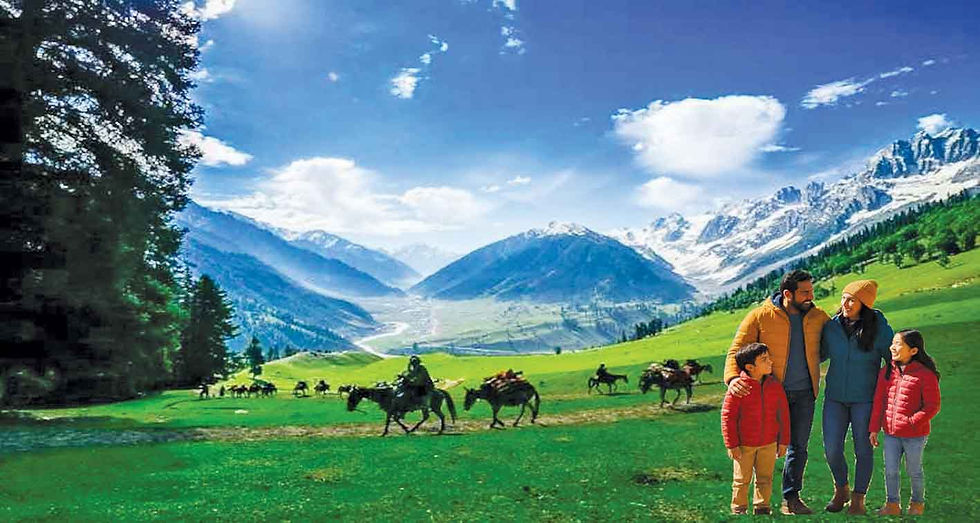
Nestled in the northernmost part of India, Kashmir is often described as “Paradise on Earth", a title that becomes instantly understandable the moment one sets foot in its valleys. Surrounded by the mighty Himalayas and the Pir Panjal ranges, the Kashmir Valley is blessed with snow-clad peaks, crystal-clear rivers, alpine meadows, dense forests, and picturesque lakes. Every season paints Kashmir in a different colour, but the period from October to March has its own magical charm. Though considered the low tourist season, it is one of the best times to experience the region peacefully, enjoy attractive hotel rates, and witness nature transform from the golden hues of autumn into a white winter wonderland.
As a tour leader, one of my most memorable journeys was leading a group of 35 enthusiastic travellers to Kashmir in October 2023. Organising a large group in the mountains always comes with challenges, from coordinating transport along winding roads to ensuring everyone experiences the destination comfortably. Yet, the smiles on everyone’s faces made every effort worthwhile. Watching our group marvel at the colourful Chinar trees, sip steaming Kashmiri Kahwa in the crisp mountain air, and enjoy conversations with local families created unforgettable memories. The warmth and hospitality of the Kashmiri people, their genuine smiles, welcoming nature, and eagerness to share stories of their homeland added a special emotional connection to the journey.
Historically, Kashmir has been a crossroads of cultures, religions, and civilisations. Ancient Hindu kingdoms flourished here before the arrival of Buddhism, which spread across Asia from this region. Later, Islamic rulers shaped much of Kashmir’s cultural identity while preserving many artistic traditions. This rich blend of influences is reflected in its architecture, cuisine, handicrafts, and customs. The terraced Mughal Gardens along the banks of Dal Lake continue to showcase timeless Persian-inspired landscape design.
Kashmir is equally significant for its spiritual heritage. The ancient Shankaracharya Temple, perched atop a hill overlooking Srinagar, is one of the oldest temples dedicated to Lord Shiva and offers panoramic views of the city and Dal Lake. The revered Kheer Bhawani Temple, dedicated to Goddess Ragnya Devi, attracts thousands of devotees each year. Together, these sacred sites reflect Kashmir’s deep-rooted spiritual traditions alongside its diverse cultural heritage.
No visit to Kashmir is complete without experiencing the world-famous Gulmarg Gondola, one of the highest cable cars in the world. Rising above snow-covered slopes and dense pine forests, it offers breathtaking views of the surrounding Himalayan peaks. During winter, Gulmarg transforms into one of Asia’s finest skiing destinations, while in October its lush green meadows gradually give way to golden landscapes, creating stunning photographic opportunities.
The scenic valleys of Kashmir each possess their own distinct character. Pahalgam enchants visitors with flowing rivers, pine forests, and peaceful countryside. Betaab Valley, named after the famous Bollywood film, is surrounded by towering mountains and crystal-clear streams. Aru Valley offers tranquil landscapes for nature lovers, while Sonamarg welcomes visitors with magnificent glaciers, alpine meadows, and spectacular mountain vistas.
Beyond the popular attractions lie Kashmir’s lesser-known treasures. The pristine meadows of Doodhpathri, the untouched beauty of Yusmarg, and the serene landscapes of Gurez Valley provide perfect escapes for travellers seeking peace away from the crowds.
Food forms another memorable chapter of every Kashmiri journey. Traditional dishes such as Rogan Josh, Yakhni, Gushtaba, Dum Aloo, and Haak reflect the region’s rich culinary heritage. Freshly baked breads from local bakeries, accompanied by fragrant Kahwa infused with saffron, almonds, and spices, offer comfort during chilly mornings. Every meal is prepared with remarkable care, making dining an experience rather than a necessity.
Equally fascinating are Kashmir’s traditional crafts. Intricately woven Pashmina shawls, hand-knotted carpets, walnut wood carvings, papier-mâché art, and exquisite saffron represent centuries-old craftsmanship passed down through generations. Visitors often return home carrying not just souvenirs but pieces of Kashmir’s artistic soul.
As tourism continues to flourish, excitement about travelling to Kashmir has never been greater. Improved connectivity, enhanced infrastructure, and positive travel experiences have encouraged families, photographers, honeymooners, adventure seekers, and senior citizens alike to explore this enchanting destination. Whether cruising on a Shikara across Dal Lake, walking beneath vibrant Chinar trees, riding the Gulmarg Gondola, or simply enjoying the silence of snow-covered mountains, Kashmir leaves every visitor spellbound.
October to March offers travellers a rare opportunity to witness Kashmir in its most intimate and magical form. Fewer crowds, attractive prices, vibrant autumn colours, and enchanting snowfall combine to create an unforgettable holiday. Every journey to Kashmir is more than a vacation—it is an experience filled with natural beauty, rich heritage, warm hospitality, and cherished memories that continue to call travellers back to this Himalayan paradise.
(The writer is a tourism professional and runs a company, Global Voyages. She could be contacted at goglobalvoyages@gmail.com. Views personal.)

Comments