

India: The Largest Source of Plastic Pollution Worldwide
- Dr. Sanjay Joshi

- Jan 24
- 3 min read

So, dear readers, now that we have learnt how and why waste plastic causes pollution, let us look a little deeper into this problem, which has grown out of proportion both globally and locally. Plastic pollution is no longer a distant issue; it has become a serious and immediate threat to our environment.
According to the latest data from the International Union for Conservation of Nature (IUCN), the United Nations Environment Programme (UNEP), and several international researchers, over 460 million metric tonnes of plastic are produced worldwide every year. This plastic is used in a wide range of applications, many of which are short-lived and quickly discarded.
From this, an estimated 20–23 million metric tonnes of plastic waste end up in the environment annually. This figure is expected to increase sharply by 2040 if strong measures are not taken. Plastic litter is now found everywhere—on land, in rivers, in oceans, and even in the air as microplastics.
Although plastic pollution is a global problem, Mera Mahan Bharat is sadly at the forefront of this crisis. A recent paper published in Nature states that India has become the world’s largest contributor to plastic pollution, accounting for nearly 20% of the total global plastic waste.
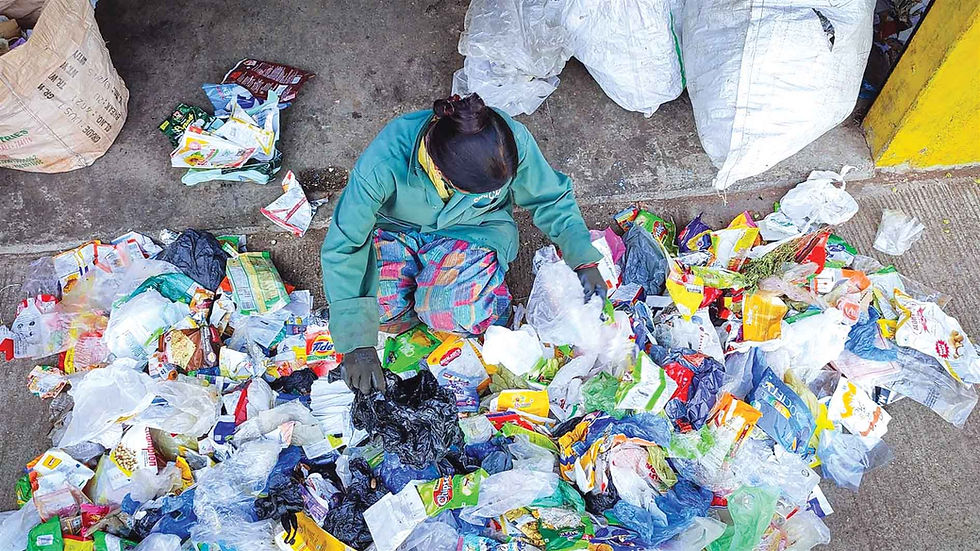
India generates about 9.3 million tonnes of plastic waste every year. This is more than the waste produced by many regions. Of this, nearly 3.5 million tonnes are improperly discarded and mismanaged, meaning they are neither collected nor scientifically processed.
Plastic waste in India has been rising at an alarming rate due to rapid urbanisation, population growth, and economic development. In cities, the demand for single-use plastics and packaging materials has increased drastically, driven by convenience and changing lifestyles.
India’s per capita plastic consumption has reached around 11 kg per year and is expected to grow further with increasing industrialisation and consumerism. This trend places enormous pressure on our already overburdened waste management systems. The major factors responsible for the sharp increase in plastic pollution in India are as follows.
Single-Use Plastics
Single-use plastics, such as polythene carry bags, straws, disposable cutlery, cups, and packaging materials, form a large share of India’s plastic waste. Despite regulatory bans and restrictions, nearly 43% of the country’s total plastic waste still comes from single-use plastics. This clearly shows that the problem lies not only in policy-making but also in enforcement and implementation.
The continued dominance of single-use plastics is largely due to weak monitoring and the lack of affordable, easily available alternatives. Many small vendors, shopkeepers, and consumers still find plastic to be the cheapest and most convenient option for daily use.
Although the government introduced a ban on selected single-use plastic items in 2022, its impact on the ground has been limited. These products are still widely manufactured, sold, and used because they are inexpensive, lightweight, and readily available in local markets, making the ban difficult to enforce consistently.
Open Burning and Landfilling:
About 5.8 million tonnes of plastic waste are openly burnt across India every year, mainly in rural areas and urban slums. This practice is extremely dangerous, as it not only worsens air pollution but also releases highly toxic chemicals into the atmosphere. These pollutants directly harm local communities and add to climate change.
In addition, nearly 30% of total plastic waste is dumped in uncontrolled landfills. Such sites are not scientifically managed, allowing harmful chemicals to seep into the soil and nearby water bodies. Over time, this contaminates groundwater, damages ecosystems, and poses serious risks to human and animal life. During the winter months, it is common to see people collecting wood and dry leaf litter from the streets, lighting small fires, and sitting around them for warmth. However, plastic bottles, wrappers, and polythene bags often get mixed in and are burnt along with the leaves. Most people are unaware that they are not only polluting the environment but also inhaling toxic fumes from very close distances.
The smoke from burning plastic contains harmful substances that can cause respiratory problems, eye irritation, skin issues, and even long-term diseases such as cancer. Open burning of plastic is therefore one of the most hazardous practices for human health and environmental safety.
Besides these factors, inefficient waste management infrastructure, discrepancies in data reporting, and heavy dependence on informal waste handling systems further worsen the problem. We will explore these issues in greater detail next week.
Till then, have a good weekend!
(The author is an environmentalist. Views Personal.)


Comments