

Punjab’s Unbroken Spine
- Jasmine Sandhawalia
- Dec 6, 2025
- 3 min read

My name is Punjab, the land graced by five mighty rivers. My story is one of resilience, woven deeply into India's fabric since 1947, a year that marked both heartbreak and hope. The trauma of the Partition ripped through me, leaving scars that time has not erased. Yet, I rose from those ashes to cultivate my fields once again. The Green Revolution flourished here, transforming me into the breadbasket of India.
Though I lost my beloved city, Lahore, I embraced change and built Chandigarh, a modern capital designed by Le Corbusier, symbolizing a fresh start after partition. Though my territory shrank and my claim on the five rivers diminished, my people steadfast. Hindus and Sikhs-stood firm. Their courage is etched in the history of the Punjab Regiment, Sikh Regiment, and Sikh Light Infantry, which bravely defended the nation's borders through wars and conflicts
My citizens, though making up just about 2.37 percent of India's total population, have contributed immensely to the nation’s freedom struggle. Sikh freedom fighters, though a small community, bore a disproportionate burden. Leaders like Bhagat Singh, Udham Singh and Kartar Singh Sarabha led revolts, inspired by the Gurdwara Reform Movement and Ghadar movement, fighting fiercely against colonial rule.
My essence is shaped by the spiritual teachings of Guru Nanak and the inclusive faith of Sufis, who taught love, peace, and equality. But today, I ask not for division but for justice, for peace, and a better future for my children.
To facilitate visits from Indian pilgrims to the holy shrine of Gurdwara Darbar Sahib Kartarpur in Pakistan. Prime Minister Narendra Modi and Pakistan's counter parts on November 9, 2019, coinciding with the 550th Prakash Purab of Shri Guru Nanak Dev Ji. And renewed in 2024, stands as a poignant symbol of connection, allowing Sikh pilgrims from India to visit the sacred Gurdwara Darbar Sahib in Narowal, where Guru Nanak Dev Ji spent his last eighteen years. This corridor includes a modern highway and immigration facilities, fostering peace and cultural unity between India and Pakistan.
The principles of Guru Nanak Dev Ji-Naam Japna (focused remembrance), Kirat Karni (honest labour), and Vand Chakna (sharing with others) are not just spiritual ideals they are the foundation of a thriving, harmonious society.
The creation of Haryana from my land and the contentious sharing of Chandigarh as a Union Territory have been painful wounds. The darkest chapter came during two decades of militancy, yet my spirit, called Chardi Kala remained unbroken.
That period was marked by a grim proxy war waged by Pakistan through the Khalistan movement, ravaging my lands with violence and economic hardship. The Centre’s failure to adequately support the counterinsurgency forces left me burdened with debt that will weigh on future generations General Zia-ul-Haq's strategy of “a thousand cuts will bleed India” epitomized the persistent strain placed upon me. The policies of late Prime Minister Indira Gandhi, initially fostering Bhindranwale and later suppressing the movement, deepened my wounds. The legacy of that period persists, when corruption entrenched itself as a centralized system. According to the National Crime Records Bureau (NCRB), corruption cases in Punjab rose by 13.2 percent in 2021, following a negative growth of 15.3 percent two years earlier.
But I am Punjab. Through blood and sacrifice, through hardship and renewal, I endure. I call on India to treat me with the justice and respect I deserve. For I am not separate from this nation - I am its heart, its guardian and its undying spirit. I am the land of five rivers, forever flowing strong within the soul of India.
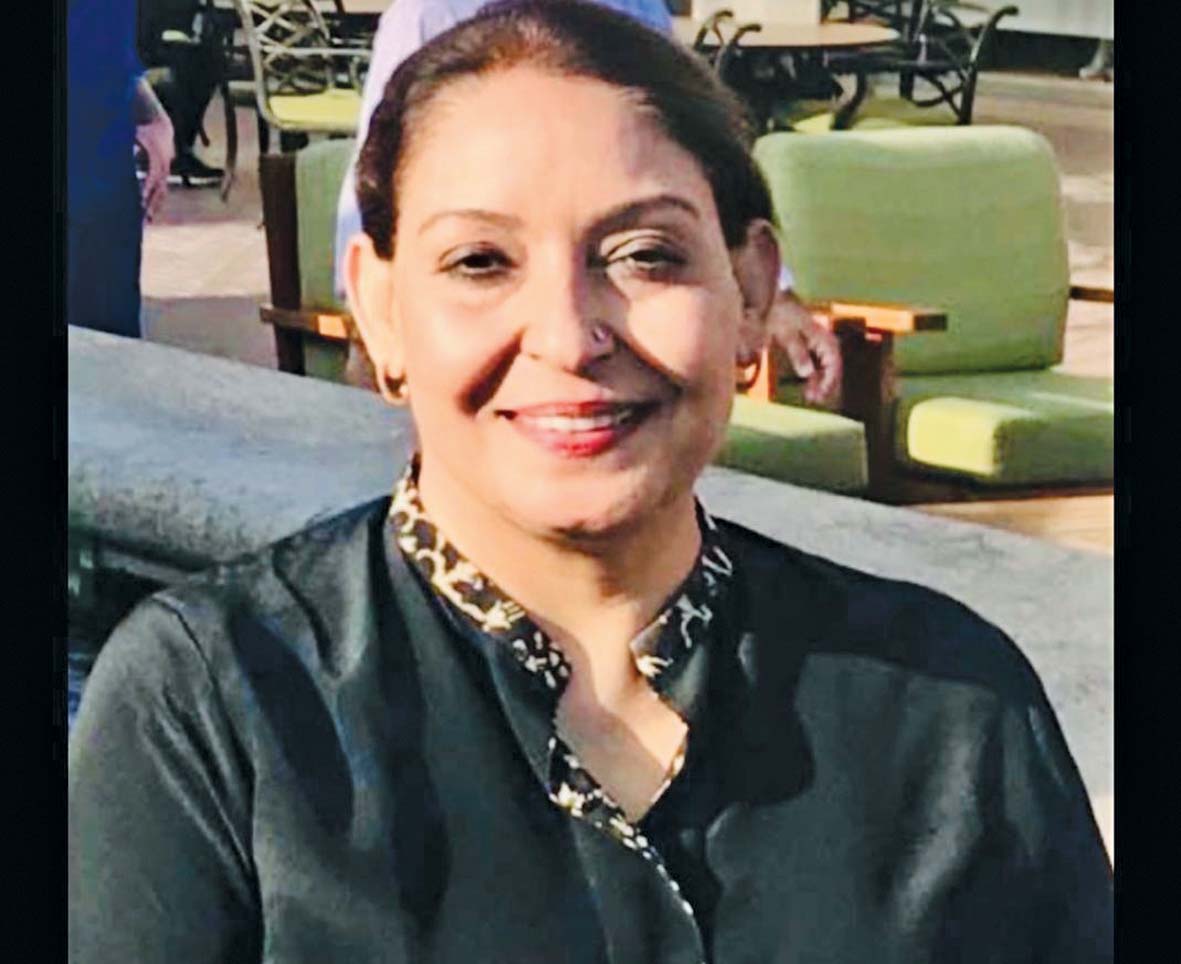
(The writer is a former journalist and Vice-President, Punjab BJP unit. Views personal.)


Comments