

The Sufi Ethics of War
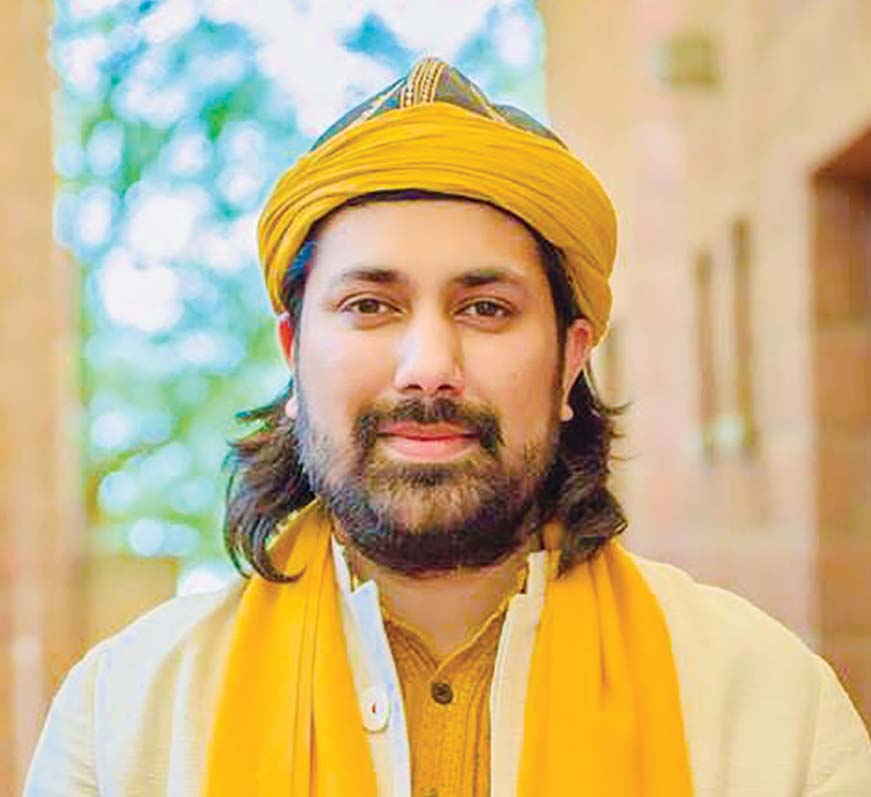
Religion, in its truest form, must restrain power, not sanctify violence.

In a world scarred by war, political tension and violent conflict, humanity must confront a fundamental question: can war ever be ethical? And if conflict is unavoidable, what boundaries must guide it?
Across civilisations, spiritual traditions have grappled with this dilemma. In Islam, especially through the lens of Sufism, war is not a celebration of power or conquest but a tragic and limited response to injustice, bound by strict moral and humanitarian principles.
The Sufi Perspective
The Sufi perspective begins with a profound truth: the most important battle is not on the battlefield but within the human soul.
Islamic teachings describe two struggles: the outer struggle against oppression and the greater inner struggle against anger, arrogance, greed and hatred. The Prophet Muhammad (peace be upon him) called this inner purification the greater struggle, or Jihad al-Nafs.
This remains deeply relevant today. A society or leadership that has not mastered its own ego cannot easily claim moral authority in war. Sufi masters warned that when ego and vengeance prevail, justice disappears.
The Qur’an permits fighting only in defence against aggression:
“Fight those who fight you, but do not transgress. Indeed, God does not love the transgressors.” (Qur’an 2:190)
This moral boundary is often forgotten in modern warfare. In Islamic ethics, war cannot be driven by expansionism, revenge or political ambition. It is justified only in defence of human dignity and against oppression.
Equally important are the humanitarian limits on warfare. The Prophet Muhammad forbade harming women, children, the elderly, monks and other non-combatants and prohibited the destruction of crops, water sources and places of worship. Even animals and nature were not to be harmed unnecessarily. More than fourteen centuries later, these principles still echo the foundations of modern humanitarian law.
The Qur’an presents humanity as one family under God, and its spiritual aim is reconciliation — justice tempered by mercy, and unity beyond division. As Jalaluddin Rumi wrote, “Beyond ideas of wrongdoing and right-doing, there is a field. I’ll meet you there.” For Sufis, that field is where the heart remembers its Divine origin. At the core of these teachings is a simple truth: human dignity does not disappear in war.
One of history’s clearest examples of ethical restraint came with the peaceful conquest of Makkah. After years of persecution, exile and conflict, the Prophet Muhammad returned not with vengeance but with forgiveness, granting amnesty to those who had once been his fiercest opponents. For Sufis, this is the highest form of victory: not the defeat of an enemy, but the triumph of compassion over resentment. True strength lies not in destroying, but in forgiving when one holds power.
Today, one of the greatest dangers is the misuse of religion to justify violence and extremism. Sufi scholars have long warned that faith must never become a tool of political ambition or ideological domination.
Religion, in its truest form, must restrain power, not sanctify violence.
At the shrine of Khwaja Moinuddin Chishty of Ajmer Sharif, whose message has echoed across India for over eight centuries, the guiding principle remains simple yet profound: “Love towards all, malice towards none.” This is not merely a poetic sentiment but a practical ethical vision that rises above divisions of faith, nationality and identity.
India’s civilisational heritage reflects the same wisdom. The Sufi saints, the Bhakti movement, Guru Nanak’s message of equality and service, and Mahatma Gandhi’s nonviolence all affirm that true strength lies in moral courage and compassion.
In an interconnected world, war’s consequences do not end on the battlefield. They ripple across nations, economies and communities, leaving wounds that can last generations. From a Sufi perspective, faith is meant not to divide humanity but to awaken conscience. War may sometimes be an unfortunate necessity in defence of justice, but it must never be romanticised or normalised. Humanity’s true victory lies in preventing conflict through wisdom, dialogue and justice.
As Jalaluddin Rumi reminds us, “Raise your words, not your voice. It is rain that grows flowers, not thunder.”
In a world weary of conflict, what humanity needs most is not louder weapons but deeper wisdom and compassion. In the Sufi understanding, war is not a celebration of strength but a tragedy of human failure. Its ethics exist to limit harm, protect the innocent and prevent tyranny — but its higher purpose is to awaken humanity to compassion, justice and unity under the Divine. The greatest victory is not over an enemy but over the darkness within the human heart.
(The writer is Gaddi Nashin, Dargah Ajmer Sharif and Chairman of Chishty Foundation. Views personal.)

Comments