

The Tai of Bastar

In the remote forests of Bastar, Sunita Godbole has spent over 35 years building trust improving health and education, and empowering tribal communities.
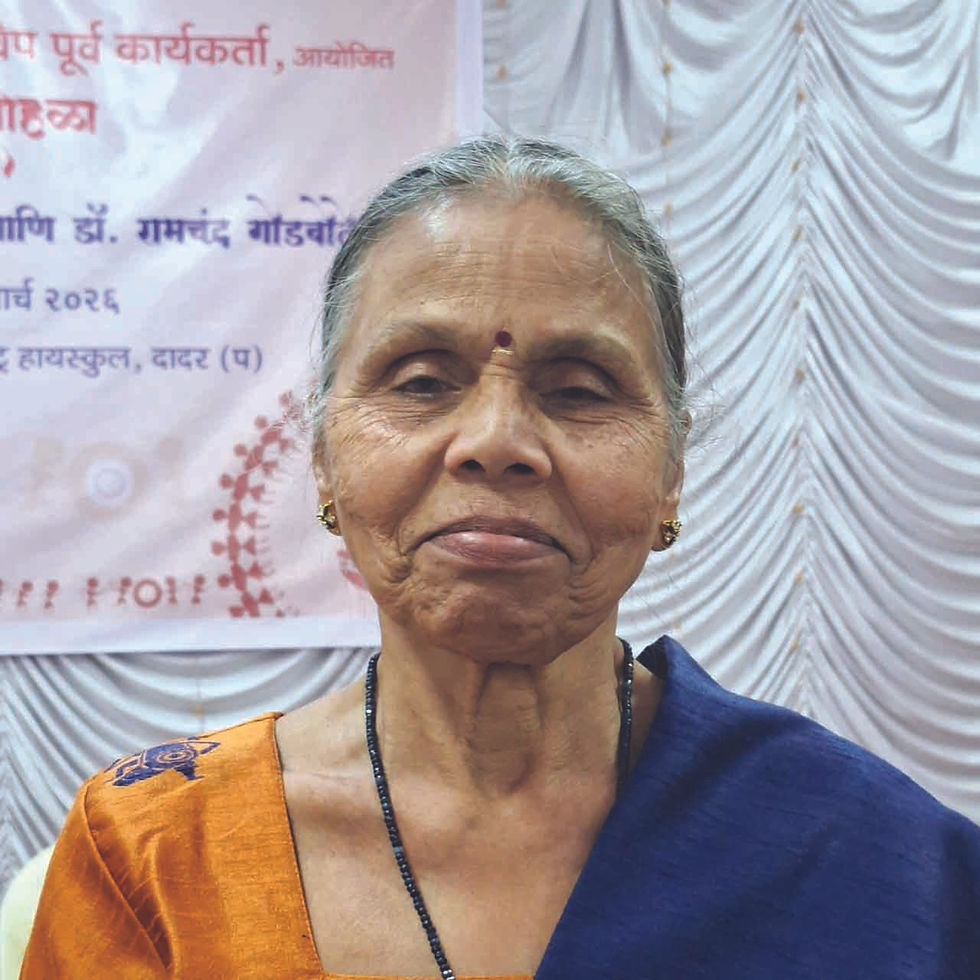
Earlier this year, Sunita Godbole was conferred the prestigious Padma Shri, a recognition of her tireless work in the heart of Bastar. For over 35 years, she has been a silent force for change in Dantewada, where tribal communities affectionately call her ‘Tai’ — elder sister. Her journey is a remarkable story of grit, empathy and lifelong service.
Born on 25 April 1950 as Sunita Puranik in Pune, she was drawn early towards addressing social issues. She pursued a Master of Social Work and, in her early years, worked with the ABVP. But her path changed when she met Nandatai Deshpande, one of the founders of the Vanvasi Kalyan Ashram. That meeting sparked a lifelong commitment to tribal welfare.
In 1984, she began as a full-time worker in Jambhiwali in Raigad district. Those three years near Karjat strengthened her conviction that her future lay in the country’s most remote corners.
When Sunita decided to marry, she sought a partner who shared her vision. She found one in Dr Ramchandra Godbole, an Ayurvedic physician. Their marriage was less a conventional union than a pact of service. Just six days after their wedding, the couple left for Bastar and settled in the Barsur area of Dantewada, a region marked by poverty and isolation.
Winning Trust
The challenges were immense. Tribal communities were shy and wary of outsiders, and language was the first barrier. Sunita chose not to depend on translators. Instead, she learnt Halbi and Gondi, carrying a diary to note down new words. Simple expressions became bridges of trust, helping her connect deeply with women in the community.
Her work took a holistic shape. While her husband reopened a defunct clinic, Sunita worked in the field, addressing healthcare, education and malnutrition together. She helped establish a girls’ hostel in Bastar and served on the Child Rights Protection Committee. Her effort was never just about aid but about building self-respect.
One of her major achievements was the MAAS scheme, aimed at tackling malnutrition and anaemia among tribal children. She also addressed superstition with sensitivity, never attacking traditional faith healers but working through them to spread health awareness. That respectful approach won the confidence of the community.
Silent Service
Even during the shadow of Naxalism in the 1990s, the Godboles rarely faced direct threats. Sunita says they consciously avoided claiming credit, focusing instead on nurturing local tribal leadership. For her, restoring dignity and self-respect was the key to lasting change.
Over the years, she has trained hundreds of tribal girls to lead health initiatives, helping expand work across eight sub-centres. At 75, her passion remains undimmed. She still notes down new tribal words in her diary, convinced that the next generation must carry technology into these remote forests.
Her Padma Shri may have brought national recognition, but in Bastar, Sunita Godbole has long held a greater title.


Comments