

What Are the Outcomes of Modi’s Foreign Visits?
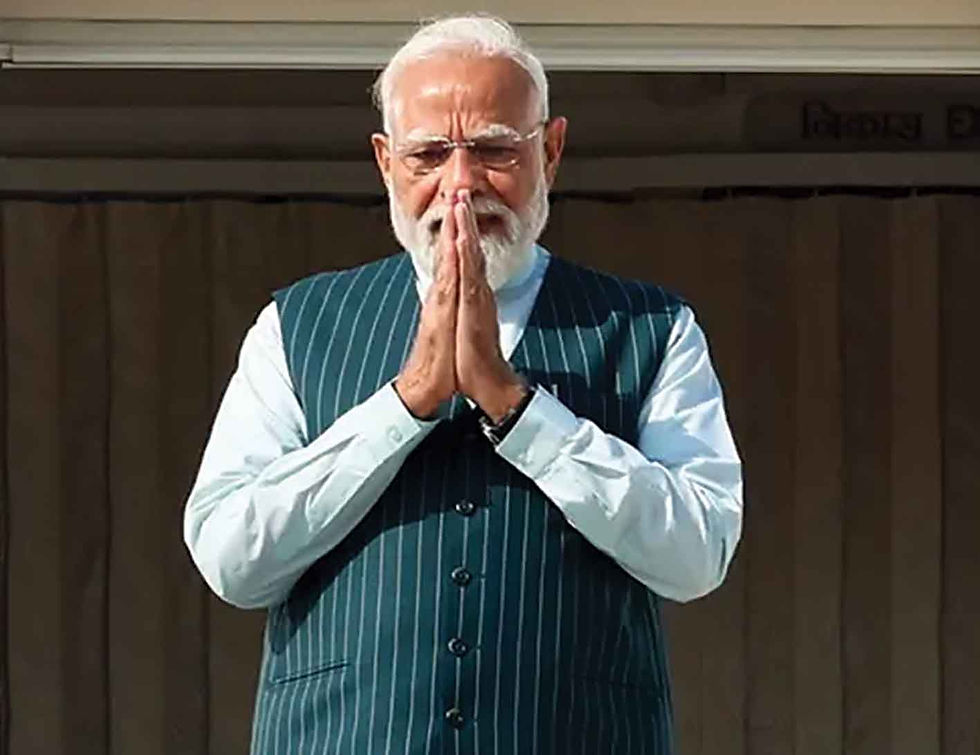
Prime Minister Narendra Modi’s five nation tour in May has shifted traditional diplomatic relations to a strategic approach, during major global developments such as the West Asia energy crisis, post Operation Sindoor geopolitical tensions and changing global trade dynamics. The UAE visit focused on protecting India’s energy security over possible disruptions in the Strait of Hormuz which is the main global oil route.
The ADNOC & ISPRL agreement of storing up to 30 million barrels of crude oil in India’s Strategic Petroleum Reserves at Visakhapatnam and Chandikhol strengthens India’s long term energy security and provides a strategic fuel storage against supply shocks.
The visit deepened India UAE strategic ties through a new defence partnership and cyber cooperation, and major investment commitments worth 5 billion Dollars across infrastructure, banking and finance sectors. Agreements involving ADIA, ENDB and IHC further reinforced the UAE’s position as a major investment partner while expanding India UAE cooperation into defence, industrial collaboration and economic growth.
The European visits mainly focused on strengthening India’s global stand against terrorism, pushing forward the India EU Free Trade Agreement (FTA), and building partnerships in green technology and innovation to support India’s renewable energy goals, including the target of achieving 500 GW clean energy capacity.
PM Modi’s Sweden visit marked a significant elevation in bilateral ties with India and Sweden upgrading their relationship to a Strategic Partnership and adopting a roadmap covering AI, critical minerals, trade and cultural cooperation. The visit also strengthened India EU engagement, with EU Commission President Ursula von der Leyen describing the India European union trade agreement as “mother of all deals”. bilateral trade is expected to grow to 7.75 billion dollars in coming years.
Saab Gripen fighter aircraft discussions, Kockums submarine technologies and expanding defence manufacturing under the “Make in India”. The visit signalled a transition in India Sweden defence ties to co production and industrial collaboration. Also, partnerships involving Ericsson, AI cooperation, port infrastructure engagement with Maersk and emerging 5G/6G collaboration strengthened India’s ambitions in technology.
Historic Milestone
Modi’s Norway visit marked a historic diplomatic milestone as it was the first visit by an Indian Prime Minister to Norway in 43 years. The visit expanded cooperation across green energy, blue economy, maritime security, Arctic research, digital technologies, health and space sectors, deepening its presence in India with investments valued at around 28 billion Dollars.
The third India Nordic Summit emerged as one of the most significant multilateral outcomes of the tour, Green Technology and Innovation Strategic Partnership. States proposed 100 billion dollars investment under TEPA, this will create nearly one million jobs in India. And also, expanding cooperation in 6G technology, STEM research, defence industry, talent mobility, maritime security and blue economy initiatives. The partnership also opened strategic opportunities in Arctic engagement and Indo-Pacific cooperation under the MAHASAGAR and IPOI visions.
Modi’s Italy visit marked a new phase of cooperation in trade, defence, critical minerals, maritime transport, higher education and economic security. The visit reviewed implementation of the Joint Strategic Action Plan and set an ambitious trade target of 20 billion euros by 2029. With bilateral trade already reaching 16.77 billion dollar and growing Italian investments in sectors such as shipbuilding, defence, energy and mobility.
Diplomatic Footprint
Since 2014, Modi’s foreign outreach has significantly expanded India’s diplomatic footprint, with visits across major regions including the US, Europe, West Asia, Africa, Indo Pacific and Global South nations, helping position India as a key global stakeholder.
India’s foreign policy during this period shifted from a largely reactive approach to a more proactive engagement model, with India increasingly participating in global discussions on economy, security, climate and technology. This strategic outreach also strengthened key partnerships such as India Russia ties, leading to major defence cooperation including the acquisition of the S400 air defence system.
India successfully balanced relations with major powers including the US, Russia, Europe and Gulf nations while maintaining strategic autonomy and an independent foreign policy approach. At the same time, ties with Gulf countries evolved beyond energy cooperation to investments, defence, infrastructure and strategic partnerships.
India’s engagement with West Asian nations helped in securing energy interests, attracting investments and strengthening the role of the Indian diaspora in the region. Initiatives such as “Make in India” contributed to making India an attractive investment destination.
Strategic engagement with countries such as Japan helped India accelerate infrastructure development through cooperation in high-speed rail and industrial corridors, while India’s Indo Pacific outreach strengthened maritime cooperation and strengthened regional security and connectivity.
Changed Focus
Bilateral engagements with European countries are increasingly focusing on AI, quantum computing, semiconductors and 6G, supporting India’s long-term technological growth and innovation goals.
India’s global image has evolved from developing economy to as a major geopolitical, technological and economic power. Diplomatic outreach strengthened India’s counter terrorism position internationally and increased support for its security concerns, while engagement with the Global South expanded India’s influence across developing nations in Africa, Asia and island regions.
Defence diplomacy expanded through strategic partnerships, joint exercises and defence manufacturing corporation, contributing to the modernisation of India’s defence ecosystem. At the same time, international engagements opened new markets for Indian exports and strengthened trade relations across multiple regions.
India increasingly emerged as a bridge between developed and developing nations, especially during multilateral platforms such as G20, BRICS and Quad discussions.


Comments