

Why the Monsoon Is Changing
- Asha Tripathi

- Jun 29
- 3 min read
The delayed monsoon is a reminder that the choices we make today about development and the environment will shape the climate inherited by future generations.
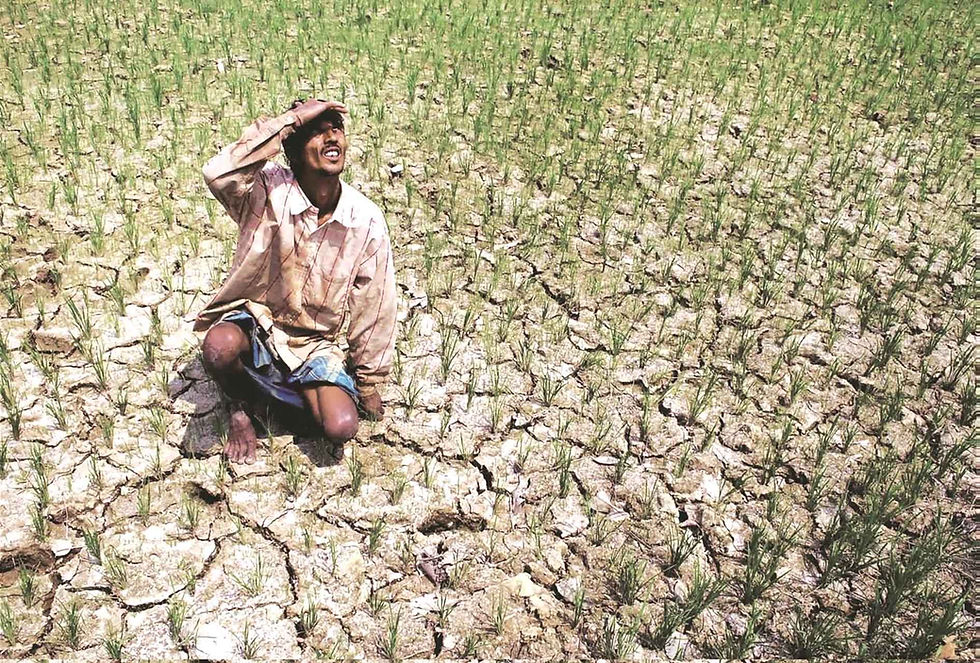
Mumbai is experiencing an unusually delayed monsoon this year, accompanied by prolonged spells of extreme heat and humidity. Across many parts of India, rainfall patterns have become increasingly erratic. While some regions receive intense cloudbursts, others face long dry spells. This raises an important question: Are human activities disturbing nature's natural balance?
Scientists explain that no single factor is responsible for changes in the monsoon. Natural climate variations play a role, but human-induced climate change, rapid urbanisation, deforestation and pollution are increasingly influencing weather patterns. Rising global temperatures warm both the oceans and the atmosphere, altering the movement of moisture-laden winds that drive the Indian monsoon. At the same time, expanding cities replace forests and open land with concrete, creating "urban heat islands" that trap heat, reduce natural cooling and influence local weather patterns.
Trees are among nature's greatest climate protectors. They absorb carbon dioxide, release oxygen, cool the environment through evaporation and help maintain the water cycle. They also improve soil quality, support biodiversity and reduce the effects of rising temperatures. When forests are cleared for roads, buildings or industries without adequate replanting, the ecosystem becomes weaker. Wildlife loses habitat, groundwater recharge declines and local temperatures rise.
However, development and environmental conservation do not have to be opposing goals. India needs progress, but that progress must be sustainable. Cities can continue to grow while protecting the natural systems that support life and ensure long-term environmental resilience.
What Can Be Done?
Protecting the environment requires action from governments, industries and citizens alike. Existing forests must be protected while expanding native tree plantation drives, and every major infrastructure project should include adequate compensatory green spaces to offset environmental loss.
Cities can reduce rising temperatures by developing more urban forests, parks and green belts. Rooftop gardens and vertical greenery can also help cool buildings, improve air quality and make urban spaces more resilient to rising temperatures.
Water conservation is equally important. Rainwater harvesting, together with the restoration of lakes, rivers and wetlands, helps replenish groundwater, strengthens local ecosystems and improves water security during dry periods.
Reducing pollution must also remain a priority. Greater use of public transport, cycling, electric vehicles and renewable energy sources such as solar and wind can significantly reduce greenhouse gas emissions and improve urban air quality.
Shared Responsibility
Finally, individuals and communities have an important role to play. Reducing plastic waste, recycling responsibly and encouraging schools, housing societies and local organisations to participate in conservation efforts can create lasting environmental change. Even small everyday actions, when adopted by millions of people, can have a meaningful collective impact.
The delayed monsoon is more than an unusual weather event—it is a reminder that human wellbeing depends on a healthy environment. The choices made today about forests, cities, energy and water will determine whether future generations inherit predictable seasons or a climate marked by increasing uncertainty. Sustainable development is no longer just an environmental ideal; it is an economic and social necessity.
Progress is essential, but true progress is measured not only by taller buildings and wider roads—it is also measured by our ability to protect natural resources and leave behind a greener, healthier planet for future generations.
(The writer is a tutor based in Thane. Views personal.)



Comments