

Why Tuition Teachers Deserve More Than Just Fees

A good tuition teacher is not selling hours of instruction but offering years of knowledge, preparation, patience, and unwavering commitment.
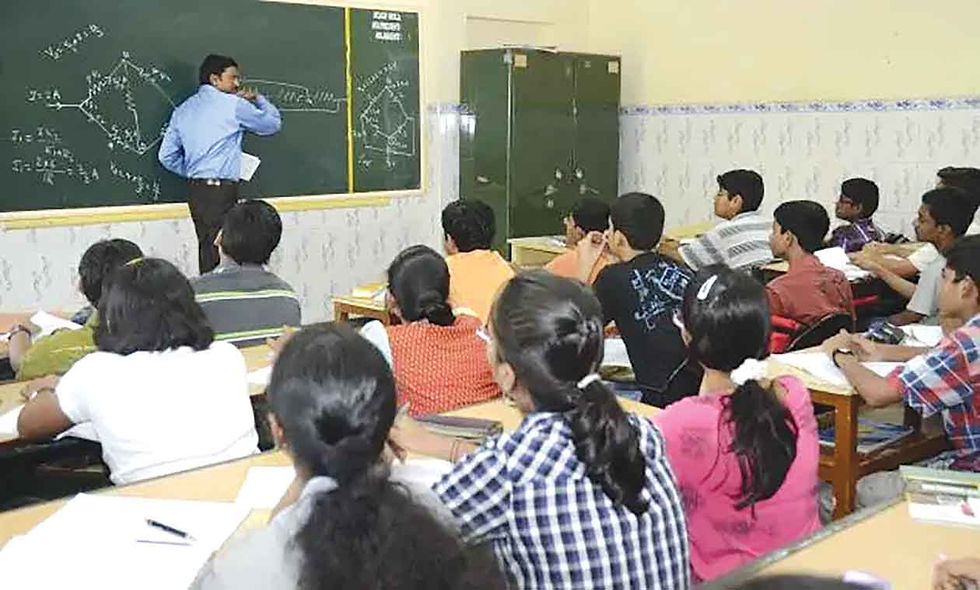
Every year, parents spend thousands—even lakhs—on school education, believing that schools alone will prepare their children for life and examinations. Yet, if we look closely at today's education system, a different reality emerges.
A large percentage of students cannot cope without private tuition.
This isn't because children have suddenly become less capable. It is because the demands of modern education have changed dramatically. Large classrooms, packed syllabi, administrative responsibilities, and limited teaching time often leave little room for personalised attention. School teachers work hard, but the system itself makes it difficult to address every child's individual learning needs.
The result is that millions of parents turn to tuition teachers—not as a luxury, but as a necessity.
The irony is striking. While schools receive recognition as the primary educators, tuition teachers quietly shoulder much of the responsibility for ensuring that students actually understand, practise, revise, and succeed.
A tuition teacher's job begins long before the student enters the classroom.
She studies multiple school boards and changing curriculums. She plans lessons according to each student's pace, prepares worksheets, creates practice papers, checks homework, designs revision schedules, conducts assessments, analyses mistakes, communicates with parents, and continuously modifies her teaching methods to suit individual learners.
When students struggle with multiplication, grammar, algebra, or science concepts, it is often the tuition teacher who patiently explains them again and again until understanding replaces confusion.
When examinations approach, she becomes mentor, counsellor, motivator, and confidence builder—all at once.
Parents usually see one hour of teaching. They rarely see the three or four hours of preparation that happen before and after class.
They don't see the weekends spent creating worksheets, the evenings spent correcting notebooks, or the constant mental effort involved in planning every child's progress.
Invisible Labour
The better a teacher performs, the less people notice the effort behind it.
Yet despite carrying so much responsibility, tuition teachers continue to be among the most undervalued professionals.
Parents willingly spend Rs 50,000 on a smartphone, Rs 20,000 on a family vacation, or thousands every month on dining out, branded clothing, and entertainment. But when a tuition teacher asks for a reasonable fee increase after years of experience, better results, and rising costs, many parents immediately begin negotiating.
Questions such as, "Can you reduce the fees?", "Another teacher charges less," or "Can you give extra classes for free?" are routinely directed at tuition teachers. Few people, however, would think of negotiating the professional fees of a doctor, lawyer, architect, or consultant in the same way.
Why is teaching treated differently? Perhaps because education has become so familiar that many overlook the expertise it demands.
A good tuition teacher is not simply selling hours of instruction. She is offering knowledge built over years of study, experience gained from teaching hundreds of children, carefully prepared learning resources, emotional support, patience, accountability, and an unwavering commitment to every student's success.
When a child progresses from average to exceptional, the credit often goes to the student or the school, while the tuition teacher's contribution remains largely invisible.
Yet parents know exactly whom they call the night before an examination. They know who patiently answers last-minute doubts, reassures anxious children, and celebrates every small milestone along the way.
Education is far more than completing a syllabus. It is about nurturing confidence, curiosity, discipline, resilience, and independent thinking. In many households today, tuition teachers have become trusted partners in shaping responsible, capable learners. Their contribution deserves greater recognition—not because they seek applause, but because they have earned it through quiet, consistent dedication.
Respect should not be limited to celebrating teachers on one day each year. Genuine respect means acknowledging their expertise, trusting their professional judgement, and compensating them fairly.
A society that undervalues its educators ultimately undervalues its own future. If we truly believe that children are our greatest investment, then those who educate them deserve to be valued as professionals—not treated as an afterthought.
Behind every confident student is someone who stayed back after class, explained the concept one more time, prepared one more worksheet, corrected one more notebook, and refused to give up.
More often than not, that someone is a tuition teacher. It is time we recognised the silent backbone of our education system.
(The writer is a tutor based in Thane. Views personal.)


Comments