
Wise Intervention
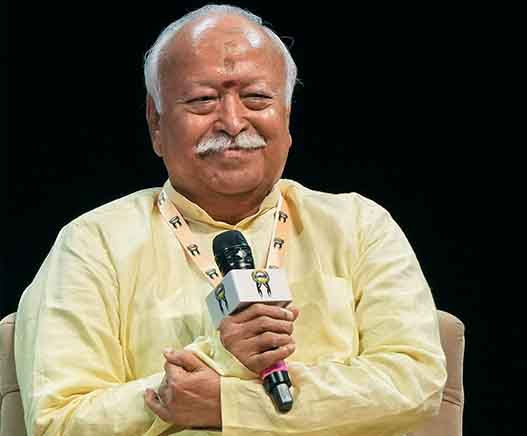
If the Centre’s response to the NEET protests has been an admixture of vacillation, force and defensiveness, RSS chief Mohan Bhagwat’s unequivocal endorsement of Gen Z may prove to be the most politically astute intervention since the agitation began.
By recognising the legitimacy of young Indians’ grievances instead of questioning their patriotism, Bhagwat may have prevented a crisis over examination leaks from becoming a lasting rupture with the ruling BJP’s future electorate.
While protesters are readily caricatured as troublemakers or political pawns, Bhagwat has consciously rejected that temptation. By insisting that young demonstrators are neither anti-national nor outsiders but India’s own next generation, he has reframed the debate from one of confrontation to one of responsibility.
While the protests spearheaded by Abhijit Dipke and his Cockroach Janata Party (CJP) took a notably ugly turn, leading many citizens to cast aspersions on the motivations on the protestors and their credibility, the controversy over examination leaks is nevertheless a serious and burning issue reflecting deeper anxieties among millions of young Indians about fairness, merit and opportunity.
Bhagwat’s admission that “something that shouldn’t happen” had indeed happened, and that such failures indicated “a deficiency” requiring correction, was an important recognition that government institutions must be capable of introspection.
Equally striking was his understanding of generational change. His observation that his own generation accepted authority while Gen Z demands logical answers was a graceful acceptance that democratic engagement has evolved. Young Indians today question institutions because they have higher expectations of them. Mature democracies do not fear such questioning, and that is what Bhagwat’s remarks implied.
His approach may carry considerable political significance for the ruling BJP. India is one of the world’s youngest democracies, with more than half its population below the age of 35. By 2029, Gen Z will constitute one of the country’s most influential electoral constituencies. Alienating them through dismissive rhetoric or excessive force would have been politically costly. Bhagwat’s unequivocal expression of trust - going so far as to say that if asked to trust blindly, he would trust Gen Z - offers a markedly different message. It tells young Indians that criticism of administrative failures need not place them outside the national mainstream.
In doing so, Bhagwat may also have blunted attempts by politically motivated groups to convert legitimate student grievances into a broader campaign of perpetual confrontation. Every democracy contains forces that seek to transform dissatisfaction into lasting alienation from constitutional politics. The surest antidote is not denunciation but through engagement. By recognising the legitimacy of protest while emphasising dialogue and democratic methods, Bhagwat has reduced the space for those seeking to escalate anger into indiscriminate agitation.

Comments