

‘AI Has Reinforced the Importance of Human Qualities’
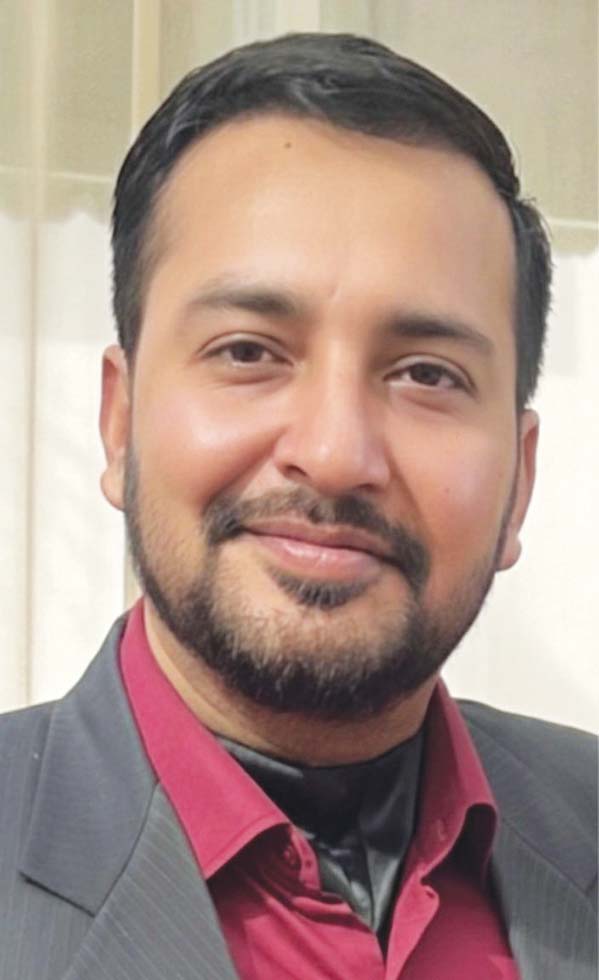

Few careers reconcile the precision of algorithms with the poetry of human aspiration as effortlessly as that of Nihit Mohan. Based in Singapore, he has spent nearly two decades at the forefront of global banking, steering initiatives in finance, analytics and artificial intelligence, even as his parallel vocation as an author has sought to illuminate the quieter, less measurable dimensions of human existence. His books contend that the defining forces of a meaningful life are seldom found in balance sheets or technological breakthroughs, but in the cultivation of gratitude, resilience, imagination and purpose. In this reflective conversation with Shiv Sethi, Nihit traces the evolution of a life shaped by equal measures of professional discipline and philosophical curiosity, offering a compelling meditation on success, significance and the boundless possibilities of human potential. Excerpts…
Your professional journey has been in banking and artificial intelligence. What inspired you to become an author?
Writing was never a career ambition; it was a natural progression of observation. Nearly two decades in global banking revealed that technical expertise alone rarely defines success. The people who consistently made the greatest impact possessed qualities such as resilience, curiosity, empathy and purpose—attributes that are seldom taught in classrooms. Over time, these observations evolved into a desire to document the lessons that shape meaningful lives. What School Doesn't Teach You became an attempt to bridge the gap between academic learning and life's practical wisdom, while every subsequent book has continued that exploration of human potential.
Your books revolve around the idea of 'Human Superpowers.' What does that phrase represent?
Human superpowers are not extraordinary gifts reserved for a select few; they are the innate qualities that exist within every individual. Gratitude transforms perspective, faith builds resilience, creativity drives innovation and perseverance sustains progress. These abilities often remain dormant because people underestimate their own capacity for growth. Through the Human Superpowers series, the intention has been to remind readers that lasting success begins with developing the individual rather than merely pursuing external achievements. When inner strengths evolve, professional and personal accomplishments naturally follow.
How has fatherhood influenced your thinking and your writing?
Fatherhood redefined the meaning of success. It shifted the focus from achievement to legacy and from ambition to responsibility. Observing a child learn with curiosity, courage and authenticity highlighted how naturally these qualities exist before adulthood gradually suppresses them. That experience encouraged a deeper exploration of education, relationships and personal growth. Many of the ideas found in his books stem from the desire to preserve those timeless lessons—not only for his own son but for every reader seeking to rediscover the qualities they once possessed naturally.
Does your work in artificial intelligence conflict with your philosophy of human development?
On the contrary, the rapid evolution of artificial intelligence has reinforced the importance of distinctly human qualities. Technology continues to transform how organisations analyse information and make decisions, but wisdom, compassion, ethics and imagination remain uniquely human. Rather than viewing AI as a replacement for people, it is seen as an opportunity to elevate human contribution. The future belongs to individuals who combine technological competence with emotional intelligence, creativity and purpose. In many ways, technology and humanity are not opposing forces but complementary ones.
What advice would you offer aspiring authors and young professionals?
The greatest mistake is waiting for the perfect moment to begin. Writing, like any meaningful pursuit, is built through consistency rather than inspiration alone. Reading widely, remaining curious and embracing failure as a teacher are far more valuable than chasing immediate recognition. Authenticity should always take precedence over popularity. Whether building a career or writing a book, the objective should not be to impress people but to create something that genuinely improves another person's life. Impact, after all, outlives achievement.
Looking ahead, what legacy would you like to leave behind?
Professional accomplishments eventually become milestones in a career, but ideas possess the ability to outlive the individual who created them. The aspiration is therefore not merely to be remembered as a banking leader or an author, but as someone who encouraged people to think differently about themselves and their potential. If a reader finishes a book with greater confidence, renewed hope or the courage to begin again, then the work has achieved its true purpose. Extraordinary lives are seldom created by extraordinary circumstances; they are built through ordinary choices made with consistency, intention and purpose.


Comments