

The Art of Looking Again
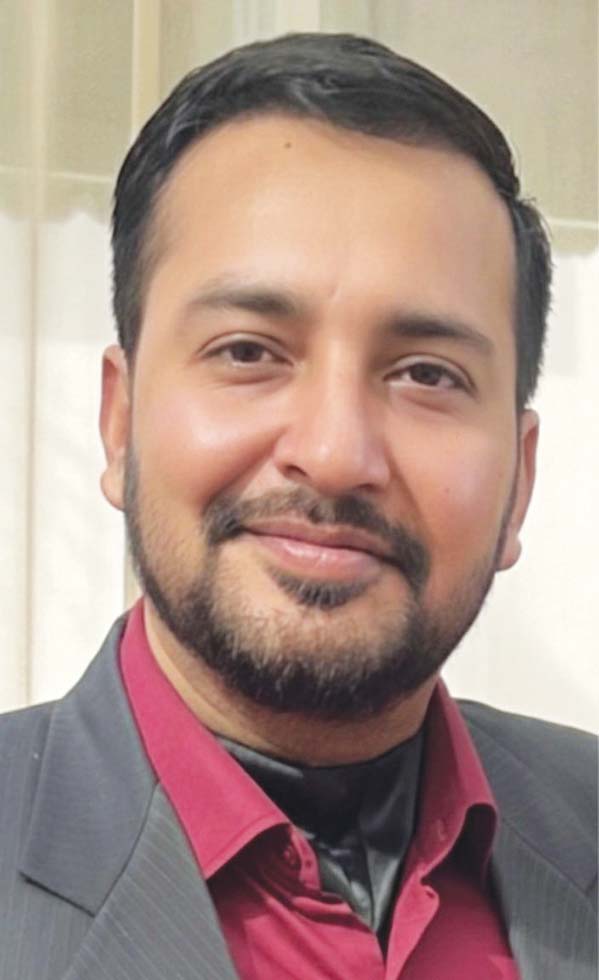

With two books in his name, award-winning author Tushar Chatterji has steadily carved a space for himself in contemporary and literary fiction, whilst managing his corporate responsibilities. His debut book, “Behind Those Eyes,” narrated through canine perspectives, is an exploration of love, loyalty, resilience, and loss. Tushar’s second, “Becoming Her,” turns its gaze towards six women navigating identity, relationships, expectations, and the complicated yet deeply personal act of becoming. Different as the books appear, the author shares with Shiv Sethi that they originate from the same instinct: to notice lives we frequently look at without truly seeing. Excerpts…
Two books in one year is significant. When you look back, what does 2026 represent to you?
A beginning. Publishing Behind Those Eyes was deeply personal because it was the first time something that had existed privately between me and my pages suddenly belonged to readers. Then came Becoming Her, which required me to inhabit voices and experiences very different from my own. The literary recognition, reviews, and interviews have been incredibly encouraging, but 2026 has also taught me that an author’s journey really begins after publication. You discover readers, criticism, the publishing ecosystem, literary communities, and yourself.
Both books explore very different worlds. What connects Behind Those Eyes and Becoming Her for you?
Empathy. Behind Those Eyes began with a simple thought: what if dogs could tell us what they see, remember, and feel about the humans whose lives they inhabit? But as I wrote it, the book became less about animals alone and more about love, loyalty, abandonment, and resilience. Becoming Her approaches empathy differently. It enters the lives of six women and explores their experiences, compromises, and emotions that can exist behind seemingly ordinary lives. I wanted to write about women as individuals first, not merely in relation to the roles society assigns them. Both books, therefore, ask readers to pause before assuming they understand someone else’s story.
Writing women’s interior lives as a male author can invite scrutiny. Did that concern you?
Absolutely, and I think that awareness was necessary. I never wanted Becoming Her to suggest that I could define a woman’s experience. My responsibility was to listen, observe, research, and create six individuals rather than six representatives of womanhood. They needed flaws and contradictions. I wanted readers to encounter people, not messages disguised as characters. Writing outside your own lived experience demands humility. Fiction gives us permission to imagine another consciousness, but that permission comes with responsibility.
You also have a demanding corporate career. Where does writing fit into that life?
Writing happens around life rather than outside it. It happens at night, on weekends, during travel, and sometimes simply through observations stored away until they become useful years later. My professional life is deadline driven. Fiction allows me to enter ambiguity. Characters rarely behave according to plans, and human emotions certainly do not. Perhaps balancing these worlds has also made me disciplined. I cannot always wait for inspiration. Sometimes you sit down, write badly, return the next day, and make it better.
How has life changed since becoming a published author?
I have realized that publishing a book is not the end of a journey; in many ways, it is the beginning of another. Once a book enters the world, an author must learn about the realities of creating visibility. Seeing my books travel to readers, appear at book festivals, and receive reviews and features has been surreal at times. It has also taught me patience. Literature has a long life. Not every meaningful moment happens during the first few weeks after publication.
Has publishing changed the way you approach writing?
Significantly. I am less interested in knowing “what happens next” and more interested in asking “why this matters.” I want settings to feel lived in, characters to carry contradictions, and emotional consequences to remain after the immediate conflict has ended. If my earlier writing taught me how to tell stories, this phase is teaching me how to inhabit them.
What do you hope readers carry away from your writing?
A feeling. Readers may forget names, locations, and individual plot points over time, but they remember how a book made them feel. If Behind Those Eyes makes someone look at an animal with greater tenderness, or Becoming Her makes someone reconsider the invisible battles, choices, or aspirations of a woman they know, or perhaps their own, then the stories have traveled beyond their pages. That, to me, is the most meaningful journey a book can make.


Comments