

E-Waste: India’s Growing Challenge

What makes e-waste unique is that it is both a challenge and an opportunity.
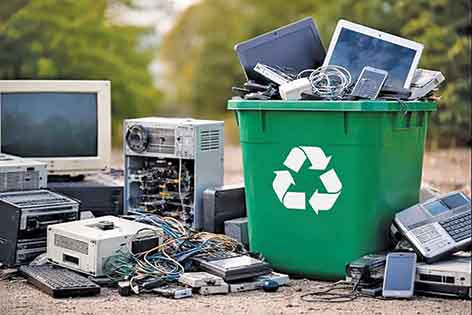
Many people imagine that only large industries or IT companies generate electronic waste. The reality is very different. Every one of us contributes to it. Think about the number of electronic devices you use every day—a mobile phone, laptop, television, refrigerator, washing machine, mixer, microwave oven, electric toothbrush, smartwatch, or even children’s electronic toys.
Every home today is filled with electrical and electronic gadgets. When these products stop working, become outdated, or are replaced by newer models, they enter the growing stream of electronic waste. What was once a useful device can quickly become part of a waste problem that is growing year after year. As our dependence on electronic devices increases, so does the amount of waste they eventually generate. Many of these devices have become so much a part of everyday life that we rarely stop to consider where they go once they are no longer needed.
The sources of e-waste are virtually universal. It is generated not only in homes but also in offices, schools and colleges, hospitals, banks, shopping malls, industries, factories, hotels, research laboratories, government departments, and IT companies. In fact, almost every modern workplace or institution uses electronic equipment that will eventually need to be discarded or replaced.
Modern vehicles, too, are packed with electronic systems, adding another source of e-waste when they reach the end of their life. In short, wherever electricity and electronics are used, e-waste is eventually generated.
India’s remarkable economic growth over the past three decades has transformed the way we live and work. Rapid advances in Information and Communication Technology (ICT), the expansion of the software industry, increasing digital connectivity, and the arrival of multinational electronics manufacturers have made electronic products more affordable and accessible than ever before. From urban apartments to rural households, electronic gadgets have become an essential part of everyday life.
This technological revolution has undoubtedly improved our quality of life. Communication has become instantaneous, education has become digital, banking is now at our fingertips, and healthcare increasingly depends on sophisticated electronic equipment. However, every technological success also comes with an environmental responsibility. As more electronic products enter our homes and workplaces, more products also reach the end of their useful life and need to be dealt with responsibly.
Another factor contributing to the problem is the shortening lifespan of electronic products. A mobile phone that once lasted five or six years is now often replaced within two or three years—not because it has stopped working, but because a newer model offers better features. The same trend is seen in laptops, televisions, household appliances, and countless other gadgets. The culture of frequent upgrading has significantly increased the volume of e-waste generated every year.
Unfortunately, most discarded electronics do not return to the manufacturing cycle. Many are stored in cupboards and storerooms, waiting for a decision that never comes. Others find their way into informal recycling units or are dumped with municipal solid waste, where valuable materials are lost and hazardous substances can contaminate the environment. What appears to be an unwanted old device may therefore contain materials that could otherwise be recovered and reused.
What makes e-waste unique is that it is both a challenge and an opportunity. It contains precious metals and valuable materials that can be recovered through scientific recycling. At the same time, it also contains toxic substances that can harm human health and the environment if handled carelessly. The challenge before India is, therefore, not merely to manage the increasing quantities of e-waste but to transform this growing waste stream into a valuable resource.
Will continue in the next week. Till then, have a wonderful weekend!
(The writer is an environmentalist. Views Personal.)


Comments