top of page

By:

Minal Sancheti

2 May 2026 at 12:26:53 pm

BEST strike paralyses Mumbai

Mumbai: For Sai More, an LIC agent, the Friday commute from his home in Century Bazar, Worli to work place in Churchgate, proved as an expensive affair. On a normal day, he spends Rs 12 on a BEST bus fare till Dadar station and then takes the local train to Churchgate. However, he had to shell out more money than his usual spending on the travel. Thanks to the strike by BEST Samyukt Kamgar Kruti Samiti, a joint action committee comprising 12 unions, pressing for its demands of better wages...

BEST strike paralyses Mumbai

Mumbai: For Sai More, an LIC agent, the Friday commute from his home in Century Bazar, Worli to work place in Churchgate, proved as an expensive affair. On a normal day, he spends Rs 12 on a BEST bus fare till Dadar station and then takes the local train to Churchgate. However, he had to shell out more money than his usual spending on the travel. Thanks to the strike by BEST Samyukt Kamgar Kruti Samiti, a joint action committee comprising 12 unions, pressing for its demands of better wages and working conditions. The strike paralysed the city’s second life line – the BEST bus. Only 32 of 2,766 buses were operated in the city in a rare collapse of the transport system. The strike forced the government to hold a meeting with the officials and workers later in the day to discuss their demands. More, the sole bread winner in this family, earns Rs 25,000 a month. When he learned about the BEST strike the first went to Aqua Line metro. He boarded the crowded metro from Worli and got down at Dadar. Then he took a local train to Churchgate and hired a share taxi to his office at Nariman Point. “I travel from Dadar to Nariman Point every day using bus and train. But today we faced difficulty because there were no buses. My colleagues and I went together to our office by cab.” The Samiti has been pressing for three demands. Rangnath Satavase, a representative of the Samiti, said, “We don’t want an independent budget for the BEST. You should include it with the BMC’s budget. The employees are facing issues due to salary arrears since 2016. We demand proper wages from 2016 to 2026 and apply seventh Pay Commission recommendations to the BEST workers. The wet lease workers should be included in the BEST as its workers and they should get minimum wages.” The BEST bus operators face many issues because there are fewer BEST buses that are working every day. This makes their work difficult. They complain that their salary has not increased since a long time. Vaishali Chavan, a bus conductor, said, “My salary is Rs 18,000 and I don’t get holidays. Now since they have reduced the number of buses, it is difficult to manage the huge number of passenger crowds. This makes our job tough. So, we demand higher wages and better work conditions.” The operators also claim that they don’t get any holidays except one weekly off. They have to work even during festivals, and if they don’t, their salary gets deducted. Imran Sheikh, a bus driver, said, “We don’t get equal wages. The salary ranges from Rs 20,000 to Rs 25,000 per month without any holidays. We just get one weekly holiday, but other than that we have to work even on the Labourer’s Day, Gandhi Jayanti, Diwali and Ramzan. If we take leave because of some emergency work, they cut our salaries.” He has been working for two years. “Some of my colleagues have been working for more than five years. Even their salaries have been the same. They promise they will increase, but they never do, and there is no bonus given.” Trushna Vishwasrao, chairperson of the BEST Committee, criticised the workers and said they should not have gone on strike when the BEST is already going through a loss. She said, “We agree with their demands, and we will fulfill it, so there is no need for a strike. It takes time to implement all the demands. We have got a gratuity of Rs five crores that we will be using to compensate the salary, and more funds will be coming, which we will use to fulfill their demands.” She said BEST is running at a deficit in any way. Their strike has also troubled the common public who depend on the BEST buses to travel. Commuters Stranded The strike left commuters stranded during the morning rush hour, with long queues seen at bus stops across the city. They later scrambled for already packed local trains, Metro services, autos, and cabs to reach their workplace. A spokesperson of the civic undertaking said only 48 buses were on Mumbai's roads during the day while some others were forced to return to depots after incidents of stone-pelting and obstruction by striking employees. BEST is Mumbai's second-largest public transport provider after the suburban railway network and carries around 25 lakh passengers daily through its bus services. It also supplies electricity to more than 10 lakh consumers in south and central Mumbai. However, union leaders claimed the strike was 100 per cent successful on the first day. Both transport and power divisions of the BEST took part in the strike. However, power supply to BEST customers in the island city remained unaffected by the agitation. Many passengers were forced to rely on alternative modes of transport, such as suburban trains, Metro services, autorickshaws, taxis, and app-based cabs, while others reported delays in reaching their workplaces and educational institutions. "During weekdays, I travel to work by public transport, but today I took my bike out as there were no buses on the roads," said Sachin Nalawade, who works as a consultant. The strike commenced despite an ad-interim order passed by an industrial court restraining employees from resorting to a strike and the Maharashtra government's invocation of the Maharashtra Essential Services Maintenance Act (MESMA), which prohibits the disruption of essential services. “Shared autorickshaws usually charge Rs 30 from Bharat Nagar to Bandra or Kurla, but today drivers were charging as they pleased. Some were demanding Rs 40 to Rs 50,” an employee of the Securities and Exchange Board of India (SEBI) said. "The issue is not merely that of workers. It is the outcome of the BJP-led Mahayuti government's negligence and wrong policies. It was known to the administration that employees were planning to go on strike. Was the government asleep until lakhs of Mumbaikars were held to ransom? Who will take responsibility for allowing the situation to deteriorate to the point where BEST services came to a halt?" Varsha Gaikwad, President, Mumbai Congress

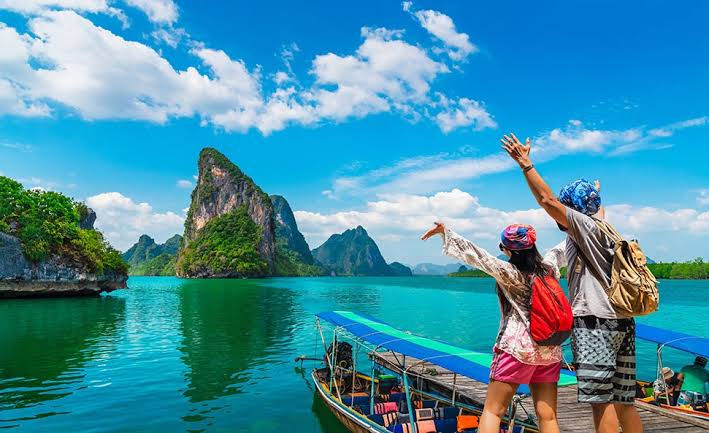
Indian Tourists Need a Reputation Reset

India has long taken pride in the philosophy of ‘Atithi Devo Bhava’ - the belief that guests deserve warmth, respect and dignity. It is an idea deeply woven into the country’s cultural imagination, often been projected as a defining Indian value.


As millions of Indians travel overseas every year, the conduct of a small but highly visible section of Indian tourists is increasingly shaping how India itself is perceived abroad.


The issue is not about a single incident or a handful of viral videos but a pattern that is drawing notice from hotels, tourism operators and local authorities across the world.


The debate gained fresh momentum after reports emerged of a Swiss hotel issuing a notice specifically addressed to Indian guests. The advisory reportedly requested guests not to pack food from breakfast buffets for later consumption and reminded them to maintain silence in corridors and balconies.


Hotels routinely issue guidelines. But when a particular nationality becomes the subject of a specific advisory, it inevitably raises larger questions about perception.


“It is a sorry state of affairs. Indians, especially in groups, are displaying atrocious behaviour. This was anyway bound to happen,” says Subhash Motwani, founder of Namaste Tourism.


Embarrassing Incidents

Whether the notice was justified is another separate matter. The question is why such perceptions are emerging in the first place. Recent months have seen several incidents involving Indian tourists gain traction on social media. One widely circulated video showed travellers performing garba on an airport tarmac in Vietnam. Garba is among India’s most vibrant cultural traditions and a source of immense pride for millions. Yet airports are highly regulated spaces where safety protocols and discipline take precedence over celebration.


The incident became symbolic of a larger problem. The rise of social media has encouraged some travellers to treat foreign destinations as stages for content creation. Public dancing, loud celebrations, disruptive behaviour and attention-seeking stunts may generate views and engagement online, but they can also leave lasting impressions on locals and fellow tourists.


India is hardly the first country to confront such a challenge. During the 1950s and 1960s, American tourists acquired a reputation for arrogance abroad, giving rise to the phrase “Ugly American.” Britain spent decades dealing with the international embarrassment caused by football hooliganism. China faced similar concerns as outbound tourism surged during the early years of the twenty-first century.


A nation’s image is shaped not just by its economic achievements and diplomatic influence but also by the behaviour of its citizens overseas. India today finds itself in a similar situation.


Indian tourists are now among the most visible traveller groups across Europe, Southeast Asia and the Middle East. This is, in many ways, a remarkable success story. However, with visibility comes responsibility.


Hospitality professionals across destinations frequently point to recurring concerns. Excessive noise, queue-jumping, disregard for local regulations, overcrowding hotel rooms and attempts to bypass established rules through jugaad are among the complaints often cited. Collectively, repeated experiences can create lasting perceptions.


The most revealing aspect of the debate is that Indian travellers often display exemplary discipline in countries known for strict law enforcement. In destinations such as Singapore, the UAE, Qatar and Saudi Arabia, compliance with rules is generally high. Complaints tend to emerge more frequently in places perceived as relaxed or lenient.


That suggests the challenge is not one of awareness. Most travellers understand the rules perfectly well. The problem is often a mindset that rules can be negotiated when consequences appear unlikely. Changing that mindset is far more important than introducing additional regulations or issuing fresh advisories.


Every interaction at an airport, hotel, restaurant, tourist attraction or public transport system contributes to how a country is viewed. These everyday encounters often shape perceptions more powerfully than government campaigns or tourism advertisements.


As India stakes its claim to a larger role in the world, its citizens must recognise that national prestige is shaped not only by economic achievements and diplomatic successes, but also by everyday behaviour abroad.


The overwhelming majority of Indian tourists travel responsibly and leave behind positive impressions. Their conduct rarely becomes news because courtesy seldom goes viral. Yet a handful of highly visible incidents can overshadow thousands of positive experiences.


The challenge is to encourage responsible travel and a greater awareness that behaviour abroad carries consequences beyond the individual. The conduct of Indian citizens overseas should reflect the confidence and values of a nation seeking not merely recognition but enduring respect.


(The writer is a senior journalist based in Mumbai. Views personal.)

Comments


bottom of page