

Krishna Sobti: Voices of Life and Identity

Her works continue to inspire readers and scholars, reminding us of the importance of individuality and self-expression in a changing world.
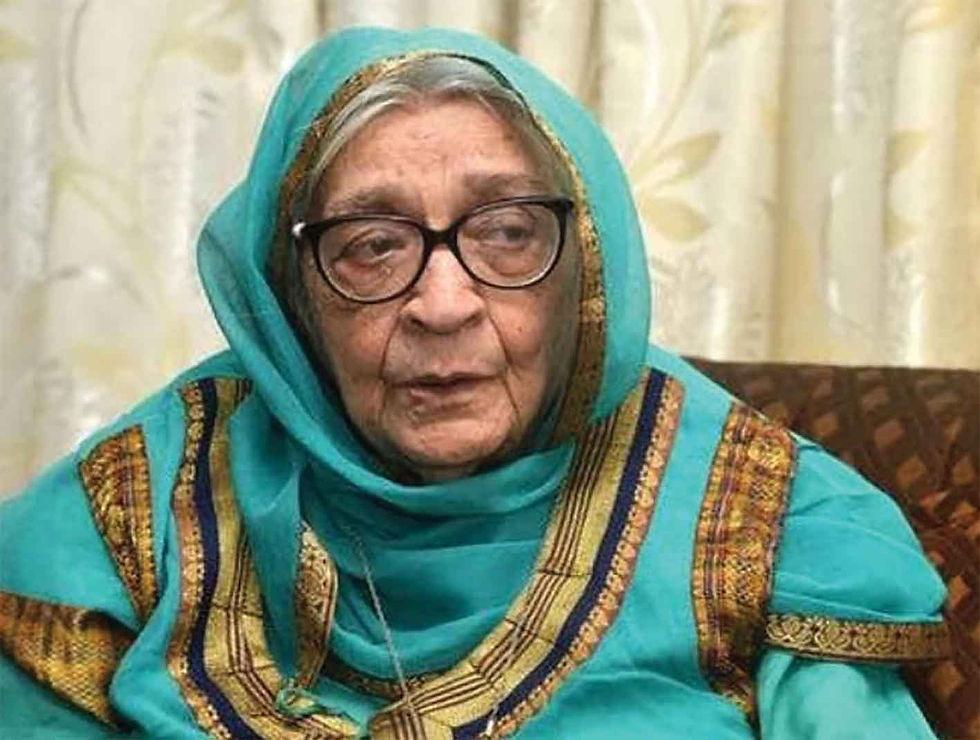
Krishna Sobti is one of the Dnyanpeeth writers. Her literary corpus has been translated into many languages, including English. Her writing stands for bold themes, strong characters, and a deep understanding of human emotions. Her novels and short stories present the complexities of life, identity crises, gender, language, and social change. Her stories reflect lived experiences and cultural realities.
Women's Voices
One of the central themes in her writing is the individual identity of women. In her works, she portrays women who challenge traditional roles and express their desires openly. In Mitro, Marjani, Mitro is bold, outspoken, and unapologetic about her physical and emotional needs. She is not a typical submissive female character. She speaks freely about sexuality and questions societal norms. Through her, Sobti highlights the suppressed voice of women and brings it into public discourse.
Freedom and self-expression are unique features of Sobti's writing, as she believed literature should give voice to those who have long been silenced. Her characters are not afraid to speak their minds. In Zindaginama, a novel set in pre-Partition rural Punjab, she presents a vibrant community where different voices coexist. The novel celebrates diversity, tradition, and human relationships. It serves as a living document of a culture that was deeply affected by the Partition of India. The theme of Partition and its impact is also significant. She was deeply influenced by the trauma of the Partition. In her writings, she shows how political division resulted in the emotional and cultural loss experienced by people. Her narratives capture the pain, displacement, and identity crises faced by individuals during this period. She also focuses on resilience and the ability of people to rebuild their lives.
Language and Memory
Language and regional culture are hallmarks of her literary style. The 'chutnification' of language is uniquely and skilfully reflected in her work through the blending of Hindi, Urdu, and Punjabi. These expressions make her writing lively and authentic. Her language reflects the cultural setting of her stories and adds depth to the characters. In Zindaginama, the use of local dialects creates a strong sense of place and community. This thematic emphasis on language shows how identity is closely linked with speech and culture.
She also explores human relationships within families. She portrays complex emotional bonds between individuals, highlighting both love and conflict. Her characters are realistic, with strengths and weaknesses, making them relatable to readers. She shows how relationships are shaped by social expectations and personal choices.
Another striking thematic feature is ageing and memory. Sobti reflects on the passage of time and the role of memory in shaping identity. She presents old age not as a period of decline but as a stage of reflection and wisdom. Her characters often look back at their lives, trying to understand their experiences and choices.
Her writing marks a strong sense of resistance against patriarchy and social customs. Feminism focuses on equality between men and women and challenges systems that silence women. Sobti's female characters resist male domination and social restrictions. They assert their identity, body, and voice. She questions rigid structures and authority through her narratives. She challenges the idea of the ideal woman who is obedient and self-sacrificing. Instead, her women are complex and real. This feminist approach makes her work revolutionary in Hindi literature and relevant to today's discussions on gender equality.
Lasting Legacy
Postcolonial theory studies the cultural, social, and psychological effects of colonial rule and its aftermath. It also explores identity, displacement, and cultural memory. Sobti presents life in rural Punjab before the Partition of India. The novel reflects a rich cultural world that later gets disrupted by colonial politics and Partition. Through detailed storytelling, she preserves the voices, traditions, and everyday lives of people who are often ignored in mainstream history.
In a nutshell, Krishna Sobti's literary corpus is rich in themes that explore the depth of human life. Her focus on identity, freedom, gender, culture, and memory makes her one of the most important writers in Indian literature. Through simple yet powerful storytelling, she gives voice to the marginalised and presents a truthful picture of society. Her works continue to inspire readers and scholars, reminding us of the importance of individuality and self-expression in a changing world.
(The writer is an assistant professor of English literature. Views personal.)


Comments