

Maharashtra’s EV Boom and the Hidden Urban Infrastructure Crises

The state’s electric vehicle boom promises cleaner cities and industrial renewal, but the transition is exposing the deep social and energy vulnerabilities of India’s urban future.
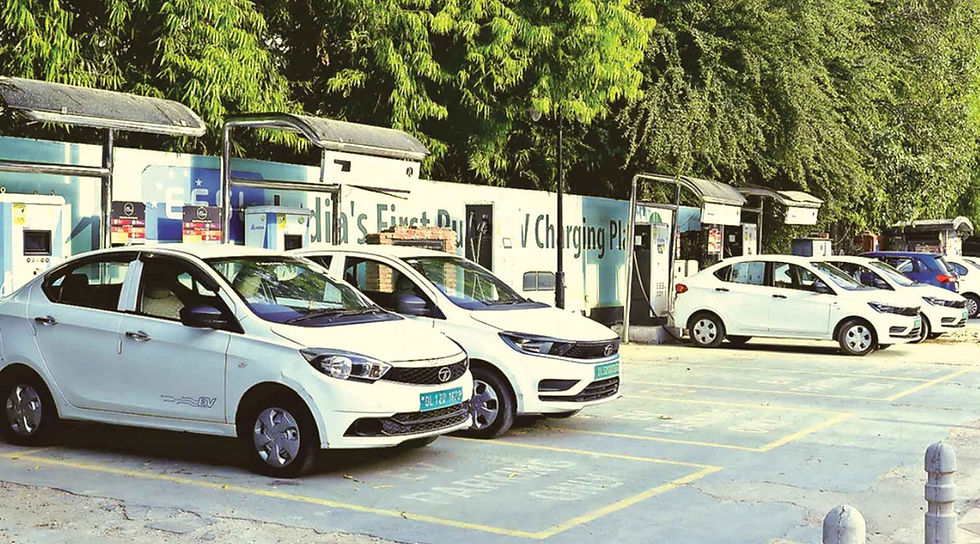
India’s electric vehicle revolution is picking up pace, and Maharashtra is one of the most ambitious drivers. The state is emerging as a leader in clean mobility with Mumbai’s growing fleet of electric buses and Pune’s booming EV startup ecosystem. Government incentives, rising petrol prices, environmental concerns and corporate investments have all contributed to the rapid rise of electric vehicles in metropolitan Maharashtra.
For politicians, the shift to EVs is more than a green shift. It stands for industrial modernization, technical innovation, and a way to reduce urban pollution. This goal has been reinforced by the Electric Vehicle Policy of Maharashtra that offers incentives, tax relief and support for charging infrastructure. The state aims to become a major electric vehicle production base and consumption market.
But beneath that confidence lies a deeper, less admitted challenge. Maharashtra’s cities are wrestling with an urban infrastructure system that may not be ready for a large-scale EV shift. The EV revolution is forcing urban administrations to confront decades of underinvestment in public infrastructure that had long remained politically invisible.
Systemic Flaws
In India, the discussion about electric vehicles is often cast as a technological success story. But the transition is more than simply replacing gasoline-powered cars with battery-powered cars. It requires a new ecology of electrical supply, charging networks, urban design and grid management. The rapid spread of EVs could signal systemic flaws that have long gone unsolved in cities already plagued by congestion, power outages, and bumpy infrastructure.
Mumbai is a good example. In line with its climate policy, the city is vigorously promoting electric buses and clean mobility. At the same time, Mumbai continues to face periodic infrastructure challenges including flooding, overburdened transportation systems and higher demand for electricity during extreme heat. The need for EV charging stations requires a reliable electricity supply and a strong grid system, yet many areas of the city continue to face challenges with inconsistent energy distribution and limited infrastructure.
The problem is even more difficult when urban density is taken into account. Mumbai is one of the most densely populated cities on earth. Parking space is scarce and there is little public space. In contrast to low-density urban models where home charging may become widespread, apartment-dominated cities face major problems to access EV charging. Many tenants of older residential complexes may not be able to install charging devices without expensive modifications to the building infrastructure.
Another aspect of the problem is Pune, which is often touted as the growing EV capital of Maharashtra. The city has drawn major auto investments and EV companies, and has become a proving ground for electric transportation innovation. But the fast urban sprawl of Pune has already exerted pressure on roads, energy systems and public transport facilities. Traffic jams, construction overload and uncontrolled urban sprawl still fill the life of the city.
The rise of EVs may reduce tailpipe emissions but does not automatically address larger questions of sustainability of mobility. If EVs are just replacing traditional vehicles in an already traffic-clogged urban landscape, communities could continue to suffer from traffic, land use pressure, and infrastructural inequities. So, the environmental promise of EVs hinges not just on cleaner cars, but on how cities reconfigure their transportation systems as a whole.
Grid Resilience
Power demand is another serious problem. As more electric vehicles hit the roads, the way power is used in cities will change dramatically. Charging thousands of cars at the same time, especially in the middle of the night, may put additional strains on city infrastructures. Several districts of Maharashtra are already facing power cuts from time to time, especially in bad weather and at times of high industrial demand. But without vast improvements in grid resilience and energy distribution systems, the widespread adoption of EVs could amplify current vulnerabilities.
That illustrates a larger policy paradox. EVs are being sold as the solution to climate change, but the electricity that powers them may still be largely reliant on fossil fuel-based energy infrastructure. Maharashtra's power grid is still significantly reliant on coal. EVs can help to reduce urban air pollution but the overall success of the transition depends on simultaneous investments in renewable energy and grid decarbonization. Otherwise, we just move emissions from roadways to power plants.
The social side of the urban infrastructure dilemma caused by the expansion of EVs is also high. There still are class differences in access to electric transportation. Private EVs and charging stations are more likely to be owned by wealthier consumers, while low-income people are still largely using overloaded public transit or informal mobility systems. In many Indian cities, the climate-friendly changes being implemented tend to worsen the existing inequalities, as the benefits of infrastructure are highly unequal.
This mismatch is also reflected in the charging infrastructure for the public. Charging stations are concentrated in affluent commercial hubs, corporate districts, and upscale neighbourhoods, but are scarce in low-income communities and rural areas. Urban infrastructure geographies, therefore, shape inclusion and exclusion from the sustainable mobility transition. The transition to clean mobility risks becoming unevenly distributed unless infrastructure planning consciously addresses questions of social equity and public access.
Resource Systems
The EV surge is also putting pressure on urban land and resource systems, in ways that rarely get talked about publicly. Charging hubs will need to be sited in already crowded cities. Battery supply chains raise issues around resource extraction and waste management. In the coming years, if the regulatory frameworks do not evolve in tandem with the technical advancements, the disposal and recycling of the lithium-ion batteries may become a major environmental governance issue.
That does not mean Maharashtra should slow down its transition to electric vehicles. In a country plagued with severe urban pollution and growing climate concerns, cleaner transportation is a must. Electric mobility can also contribute to public health, reduce oil dependence and promote green industrial development. But technical optimism alone will not be enough to make the transition successfully.
The larger question is whether Indian cities are planning a holistic mobility revolution or are simply following a vehicle replacement strategy. “EVs are part of the answer but for a sustainable future of cities, we need investment in public transportation, decentralized renewable energy systems, resilient power infrastructure and inclusive urban design. If these adjustments are not made in tandem, the promise of electric mobility may face the realities of urban vulnerability.
So, the electric vehicle revolution in Maharashtra is more than a clean technology story. It also looks at the ability of Indian cities to create the infrastructure, governance systems and social frameworks required for a truly sustainable transition. The success of electric mobility will depend not only on the number of EVs sold, but also on whether metropolitan infrastructure can match the revolution.
(The writer is a columnist and climate researcher with experience in political analysis, ESG research, and energy policy. Views personal.)


Comments