

Our Planet, Our Responsibility!

Every year on April 22, the world observes Earth Day, a reminder that our planet is not just a place where we live, but our shared home that needs care, protection, and responsibility. In Indian culture, the Earth is often referred to as “Vasundhara,” meaning the nurturing mother who provides everything necessary for life-air, water, food, shelter, and natural beauty. The idea of Vasundhara teaches us respect for nature and reminds us that environmental protection is not just a duty, but a moral responsibility.
Earth Day was first celebrated in 1970 in the United States as a movement to raise awareness about pollution, deforestation, and environmental destruction. Over the decades, it has become a global campaign observed in more than 190 countries. Today, the threats facing our planet are even more serious-climate change, rising temperatures, water scarcity, plastic pollution, loss of biodiversity, and rapid urbanization are creating dangerous challenges for future generations.
India, with its rich natural heritage and cultural traditions, has always believed in living in harmony with nature. Ancient Indian scriptures worshipped rivers, mountains, trees, and animals as sacred elements of life. The concept of Vasundhara reflects this deep connection between humans and the environment. However, in the modern age, this balance is being disturbed by excessive consumption, industrial waste, and neglect of natural resources.
Visible Problem
One of the most visible problems today is deforestation. Trees are being cut down for roads, buildings, and industrial development, often without proper planning for replacement. Trees are not just part of nature’s beauty; they are the lungs of the Earth. They provide oxygen, reduce pollution, conserve water, and maintain biodiversity. Without trees, the fight against global warming becomes impossible. This is why tree plantation and tree conservation must become a mass movement rather than a one-day activity.
Water conservation is another urgent need. Many regions in India face severe water shortages every summer. Rivers are drying, groundwater levels are falling, and lakes are disappearing due to encroachment and pollution. Saving water through rainwater harvesting, proper irrigation methods, and reducing wastage must become part of daily life. Every drop saved today secures tomorrow’s survival.
Plastic pollution is another silent threat. Single-use plastics have entered our soil, rivers, and even our food chain. They harm animals, block drainage systems, and take hundreds of years to decompose. Replacing plastic with eco-friendly alternatives and promoting recycling can significantly reduce this danger. Small individual actions, when practiced by millions, create large environmental change. Youth participation is the most powerful force in protecting Vasundhara.
Schools, colleges, and social organizations must encourage environmental awareness through plantation drives, cleanliness campaigns, waste management programs, and educational workshops. The idea of “One Student, One Tree” can become a transformative mission if implemented sincerely. When young minds grow with environmental values, society moves toward sustainable development. Community organisations and voluntary groups also play a major role. Across Maharashtra and many parts of India, several social institutions are working tirelessly for tree plantation, biodiversity conservation, and public awareness. Their work proves that change is possible when citizens take ownership of their surroundings.
Environmental protection should not depend only on government policies; it must become a people’s movement. Governments too must strengthen environmental laws and ensure strict implementation. Development should never come at the cost of destruction. Smart cities must also be green cities. Roads, industries, and urban expansion should include environmental planning, tree preservation, and sustainable infrastructure. Earth Day is not only about speeches and symbolic plantation drives; it is about changing habits and building a mindset of responsibility. Switching off unused lights, reducing fuel consumption, using public transport, planting native trees, avoiding waste, and respecting natural resources are simple yet powerful acts of environmental service.
Big Difference
Protecting the Earth is not only the duty of governments or organizations; it is the responsibility of every individual. Each person can contribute by planting trees, saving water, avoiding plastic, and keeping the surroundings clean. Simple habits like switching off unused lights, using public transport, and reducing waste can make a big difference. People should respect nature and teach children the importance of environmental conservation. Participating in cleanliness drives and supporting eco-friendly practices also helps protect our planet. When every citizen takes small but sincere steps, together we can create a greener, healthier, and safer Earth for future generations. Saving Vasundhara begins with us.
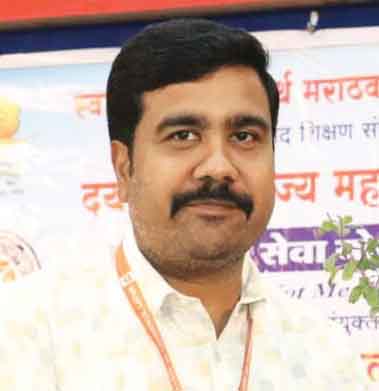
(The writer is Founder and President of Vasundhara Pratishthan, Latur.)


Comments