

Global Warming: A Growing Threat to Our Planet


Global warming refers to the gradual increase in the Earth’s average temperature due to the excessive accumulation of greenhouse gases such as carbon dioxide, methane, and nitrous oxide in the atmosphere. These gases trap heat from the sun, creating a “greenhouse effect” that leads to a steady rise in global temperatures. Over the past century, human activities-particularly the burning of fossil fuels, deforestation, rapid urbanisation, and industrialisation-have significantly accelerated this process, making global warming one of the most serious environmental challenges of our time.
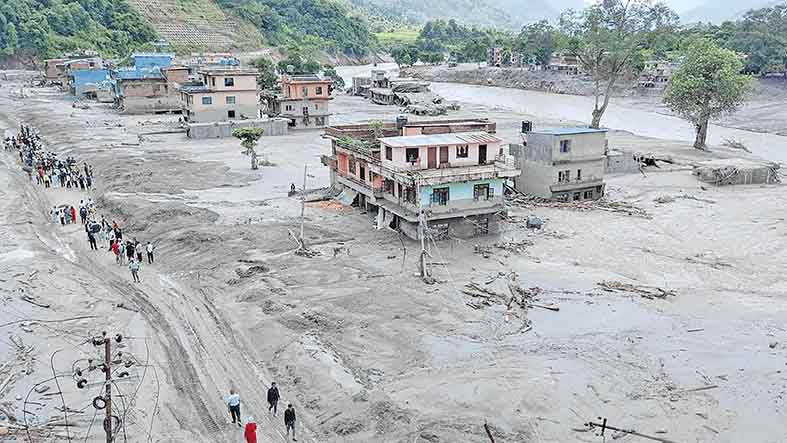
One of the most visible and alarming consequences of global warming is climate change. Rising temperatures have caused glaciers and polar ice caps to melt at an unprecedented rate, leading to a continuous rise in sea levels. This poses a direct threat to coastal regions and island nations, where millions of people are at risk of displacement. In addition, extreme weather events such as heatwaves, floods, cyclones, and droughts are becoming more frequent and intense. These events not only cause loss of life and property but also disrupt ecosystems and weaken economic stability. Agriculture, which is highly dependent on climatic conditions, is also severely affected. Irregular rainfall patterns, prolonged droughts, and unexpected floods reduce crop productivity and increase the risk of food shortages. Farmers face uncertainty, leading to financial distress and migration in many regions. The loss of biodiversity is another critical issue, as many plant and animal species struggle to adapt to rapidly changing environmental conditions, resulting in ecological imbalance.
Health Concern
Global warming is not just an environmental issue; it is also a major public health concern. Rising temperatures increase the incidence of heat-related illnesses such as heatstroke and dehydration. Moreover, changing climatic conditions create favourable environments for the spread of vector-borne diseases like malaria, dengue, and chikungunya. Air pollution, closely linked to greenhouse gas emissions, further contributes to respiratory diseases, heart problems, and other serious health conditions, particularly in urban areas. Addressing global warming requires immediate and collective action at all levels-global, national, and individual.
Governments must take the lead by implementing strict environmental policies, promoting clean energy, and investing in sustainable infrastructure. Industries need to adopt eco-friendly technologies and reduce their carbon footprint. At the same time, individuals must recognize their responsibility and adopt sustainable lifestyles to contribute to environmental protection. Transitioning from fossil fuels to renewable energy sources such as solar, wind, and hydro power is one of the most effective ways to reduce greenhouse gas emissions. Improving energy efficiency in homes, industries, and transportation systems can also play a significant role. Public transport, electric vehicles, and carpooling should be encouraged to reduce vehicular pollution.
Forests play a vital role in maintaining ecological balance by absorbing carbon dioxide from the atmosphere. Therefore, afforestation and reforestation initiatives must be strengthened, along with the protection of existing forests. Conserving natural resources, reducing waste, and promoting recycling are equally important steps toward sustainability. Equally important is spreading awareness among people about the causes and consequences of global warming. Education and community participation can drive meaningful change.
When individuals collectively take small but consistent actions, the overall impact can be significant. In conclusion, global warming is one of the most pressing challenges facing humanity today. Its effects are far-reaching, impacting the environment, economy, and human health. If left unchecked, it could lead to irreversible damage to our planet. However, with timely action, strong policies, and responsible behaviour, it is still possible to control its impact and ensure a safer, healthier, and more sustainable future for generations to come.
Remedies to Control
Controlling global warming requires a combination of practical and sustainable measures. The most important step is reducing the use of fossil fuels such as coal, petrol, and diesel, and shifting towards clean and renewable energy sources like solar, wind, and hydro power. Increasing energy efficiency in homes, industries, and transportation can significantly cut emissions. Afforestation and reforestation are essential to absorb carbon dioxide, making tree plantation and forest conservation crucial. Individuals should adopt eco-friendly habits like using public transport, carpooling, minimizing plastic use, recycling waste, and conserving water and electricity. Governments must enforce strict environmental laws, support green technologies, and promote climate-friendly policies. Public awareness and individual responsibility are equally vital, as small collective actions can bring meaningful change in reducing global warming.
(The writer is Principal at Podar International School, Ausa, Latur.)


Comments