

Relentless blasting threatens Kharghar hills

Greens send SOS to CM

Navi Mumbai: Environmental groups and residents have urged Chief Minister Devendra Fadnavis to immediately intervene and halt what they describe as relentless hill blasting for a real estate project in Kharghar, warning that continued excavation could cause irreversible ecological damage and heighten the risk of landslides during the ongoing monsoon.
In a representation submitted to the Chief Minister, the NatConnect Foundation and the Save Kharghar Ecology Forum alleged that large-scale blasting and excavation have continued unabated despite persistent rainfall. The groups claimed that the pace of hill cutting suggests an attempt to flatten the biodiversity-rich terrain before regulatory intervention can take place.
The environmentalists argued that the Kharghar hills form an integral part of Navi Mumbai's ecological framework, serving as a natural water catchment, groundwater recharge zone, biodiversity habitat and climate buffer. According to them, indiscriminate destruction of the hills would permanently alter the region's natural landscape and weaken its resilience to rapid urbanisation and extreme weather events.
"Kharghar's hills are part of Navi Mumbai's ecological life-support system. We have already witnessed extensive damage from earlier quarrying. Allowing fresh blasting to continue will permanently destroy a landscape that can never be recreated," said B N Kumar, Director of the NatConnect Foundation, while appealing to the Chief Minister for immediate intervention.
Quarrying Activity
The activists pointed out that the latest excavation comes after years of quarrying activity behind Tata Memorial Hospital, which they said had already scarred large portions of the hill range. Instead of restoring the degraded terrain, another section of the hill is now being cut for a real estate project, they alleged.
Jyoti Nair, Green Building and Sustainability Consultant and Convenor of the Save Kharghar Ecology Forum, said the work has continued even during heavy monsoon showers.
"Blasting has continued unabated despite heavy monsoon rains, giving the impression that there is a rush to flatten the hills before effective intervention can take place. Every day of delay means more irreversible damage," she said.
According to the memorandum, residents have witnessed frequent blasting and rapid excavation over the past several days, with entire hill slopes being removed at an alarming pace. The groups contend that the hills play a crucial role in absorbing rainwater, recharging groundwater, preventing soil erosion, regulating local temperatures and supporting native flora and fauna.
Kumar, who also leads the Climate Action Now (CAN) initiative of NatConnect, stressed that these natural functions cannot be replaced through engineered solutions. "These hills are natural infrastructure. They absorb rainfall, recharge groundwater, support biodiversity and regulate local temperatures. Once blasted away, no amount of engineering can replace the ecological services they provide," he said.
Impact Assessment
The representation has sought an immediate suspension of all blasting and excavation activities, an independent review of project approvals, verification of compliance with environmental safeguards and a cumulative environmental impact assessment covering successive hill-cutting activities in Kharghar.
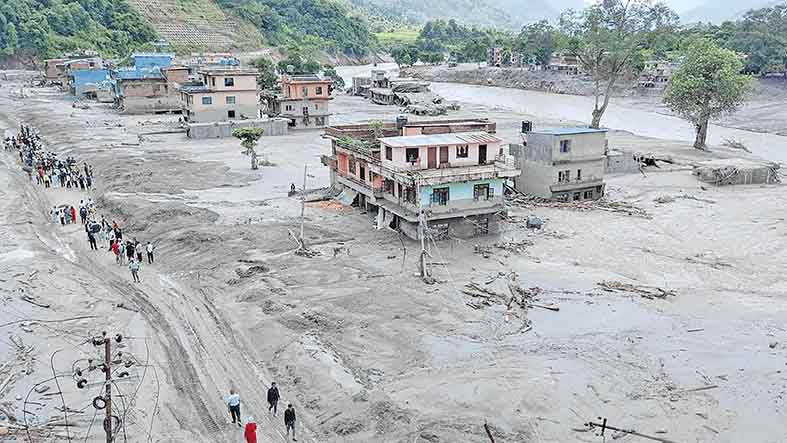
Expressing concern over public safety, Kumar warned that indiscriminate hill blasting during the monsoon could destabilise slopes and increase the likelihood of landslides. "Ironically, the very project for which the hill is being blasted could itself face geotechnical risks if slope stability is compromised. We seem to have learnt little from the devastating landslides in Wayanad and Irshalwadi," he said.
The environmental groups have appealed to the state government to act urgently, arguing that preserving the remaining Kharghar hills is essential not only for biodiversity conservation but also for protecting Navi Mumbai's long-term environmental sustainability and disaster resilience.


Comments