

Shattered dream keeps Shinde aloof from govt
- Abhijit Mulye

- Feb 18, 2025
- 3 min read
Updated: Feb 19, 2025

Mumbai: It is over two and half months that BJP’s Devendra Fadnavis took over as the Chief Minister of Maharashtra and Shiv Sena’s Eknath Shinde, who was the Chief Minister for previous two and half years had to become the Deputy Chief Minister of the state. However, Shinde does not seem to have come to terms with the changed status and is seen competing with the Chief Minister on several counts.
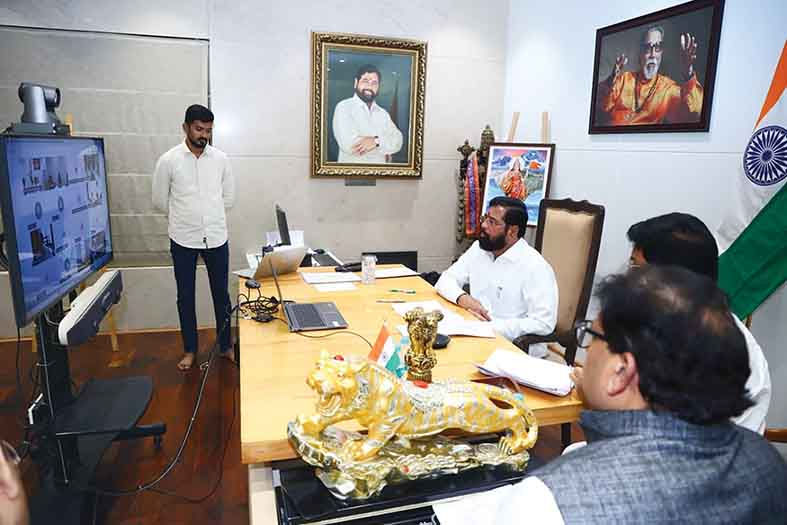
Officials in administration say Shinde skips meetings called by CM Fadnavis. The recent example is that of the meeting where the state administration deliberated on preparations for Kumbh to be organized at Nashik in 2027. Though Shinde skipped the meeting in Mumbai, a couple of days later, while he was on official tour of Nashik district, he addressed a meeting regarding the Kumbah preparations. The same officers, who were there at Mumbai for meeting on the same topic, attended the meeting under DCM in Nashik. They narrated the same things, put forth the same plans and made the same suggestions. Only thing that was changed was who addressed the meeting and where. It was Shinde in Nashik instead of Fadnavis in Mumbai. “We wonder whether there will be two-two meetings on every topic hereinafter…,” quipped a senior officer from Nashik.
In the similar fashion, the DCM floated his own ‘medical cell’ on the lines of ‘CM’s Relief Fund’ that primarily helps needy people in medial aide. The DCM’s cell will work along with the health department which is with the Shiv Sena in Mahayuti alliance. This is being seen as the DCM’s competitive spirit, which appears to be increasing day by day.
It is believed that Shinde was hoping to continue as Chief Minister after the assembly elections. Like most of the media, he believed that the BJP would slip below 100 and he will get yet another chance to strike a good deal. Probably he was also convinced that the top BJP leadership wants him to continue as Chief Minister. However, BJP’s grand victory in the assembly elections completely changed the political equations in the state. With a huge mandate of 132 MLAs, the party reached nearer to the power. With the help of smaller parties and independents, the number went up to 138. Ajit Pawar’s NCP, with 41 MLAs, was quick to lend support to the BJP to form the government under Fadnavis. This left Shinde with little room for any political manoeuvring.
Still Shinde tried to create pressure. For several days, he kept people guessing as to whether he will join the government as Deputy Chief Minister. After much persuasion by the BJP, just a few hours before the swearing in ceremony, Shinde finally accepted to join the government. But, he started demanding the home portfolio. Stronger BJP didn’t budge and Shinde had to accept the Urban Development portfolio. This was the time his tours to his ancestral village in Satar district suddenly increased, so much so that “DCM Shinde on to Dare” became synonymous with “DCM Shinde unhappy” (about some or the other decision of the state government).
Once the portfolio allocation was complete, the issue of appointment of guardian ministers started heating up. Shinde was able to secure ‘stay’ to two appointments in Raigad and Nashik districts respectively. However, the issue is far from over. CM Fadnavis does not seem to have done anything to rectify the decisions though he gave a nod to put a stay on decisions he had made earlier. CM Fadnavis’ decisions to appoint an IAS officer to head the MSRTC and to initiate inquiry into some of the past decisions in the department too must not have gone well with Shinde, though he has not spoken anything against those decisions openly.
While Shinde does not seem to be happy with all the decisions of the Fadnavis government, he also doesn’t seem to forget what he has done in past two and half years when he was the Chief Minister. That is the reason why he is seen narrating the decisions of his government in his speeches. Whatever might be the reason, he certainly hasn’t accepted himself in the shoes of DCM as yet. Officers in Mantralaya also say in hushed voices that Fadnavis’ attempts to discipline the administration appears to be one of the key reasons behind Shinde’s displeasure.
"There is absolutely no cold war between us. We are united in our fight against those who oppose development. When I was chief minister, on October 31, 2023, then deputy chief minister Fadnavis had founded a similar cell. I have simply reconstituted it with my people overseeing its operations."
Eknath Shinde, Deputy Chief Minister


Comments