

The Inner Voice of a Silenced Queen

Pratibha Ray restores Draupadi’s voice, placing her inner life at the centre of the epic.
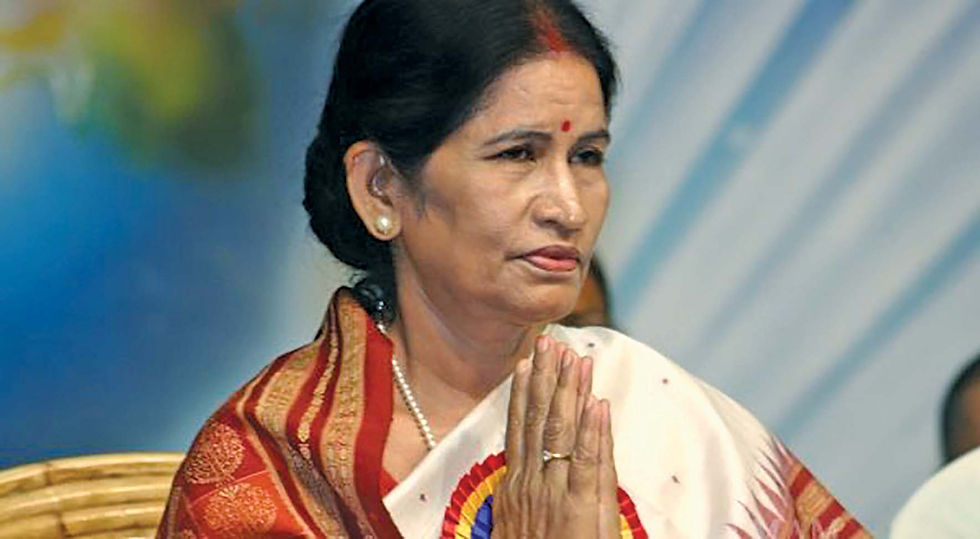
Yajnaseni: The Story of Draupadi by Pratibha Ray is a striking work of literary reimagining. First published in Odia in 1984 and later translated into English, the novel revisits one of India’s most complex figures in mythology through a deeply personal lens.
A recipient of major honours such as the Moortidevi and Sarala Awards, Ray retells the Mahabharata not as a grand epic of heroic men but as an intimate narrative of a woman whose voice has long been silenced. The novel brings Draupadi’s inner life to the centre of the story.
Yajnaseni thus emerges as a feminist revisioning of the epic. Where Vyasa’s narrative presents Draupadi largely through male speech and action, Ray restores her narrative authority, positioning her as subject rather than object.
Draupadi is given space to think, feel, question, and critique the forces that shaped her destiny. The novel’s epistolary form—a long letter to Lord Krishna written in her final hours at the foothills of the Himalayas—is not merely a stylistic choice but a means of laying bare her inner world.
Through these letters, Draupadi reveals her inner conflicts, emotional resilience, and intellectual depth. No longer a distant mythic figure, she emerges as fully human, grappling with questions of agency, dignity, love, loss, duty, and identity.
Her voice is marked by clarity and candour. When she recalls Yudhishthira’s words during the Pandavas’ final journey—“Do not turn back to look! Come forward!”—they become a symbol of existential betrayal, signalling a refusal to acknowledge her suffering by those who owed her their lives.
In anguish, she asks why she must endure “the whole world’s mockery, sneers, innuendos, abuse, scorn and slander.” The question reflects her acute awareness of the unrecognised emotional and moral labour demanded of women in cultures that prize self-sacrifice yet offer little compassion.
This inner voice also carries a sharp social critique. Draupadi’s marriage to the five Pandava brothers—one of the epic’s most contentious episodes—is presented not as destiny but as a violation of consent and autonomy. Ray makes explicit what the traditional text only implies: Draupadi had no real choice, and polyandry, far from ennobling her, exposed her to enduring social scorn.
In questioning Lord Krishna—“Did I have no say?” and “Was I man’s movable or immovable property?” —Draupadi exposes how patriarchal dharma enforces wifely submission at the cost of personal will and dignity.
This aspect of her inner voice lies at the heart of the novel’s power. Ray refuses to romanticise Draupadi’s suffering, portraying her anger, alienation, and resentment as both legitimate and necessary, and replacing the ideal of the self-sacrificing woman with a figure who challenges rigid cultural norms.
Ray’s Draupadi is not merely reactive but reflective and intellectually engaged. She repeatedly interrogates the moral frameworks used to justify her humiliation. Why should dharma excuse injustice? Why must loyalty to others override her own aspirations? These questions form the core of her inner life, not rhetorical ornament.
By placing Draupadi’s internal monologue at the centre of the narrative, Ray bridges ancient and contemporary debates on gender, identity, and autonomy. Speaking to Krishna, Draupadi reflects not only on past betrayals but also on the meaning of womanhood in a world shaped by male authority. This act of reclamation resonates with modern feminist thought, positioning her voice within wider struggles for self-definition.
The significance of Yajnaseni extends beyond literary innovation. As Draupadi questions and critiques the norms of her time, Ray invites readers to confront enduring cultural patterns, with her inner voice reflecting society’s unresolved tensions around gender, power, and moral hypocrisy.
Her reflections on humiliation, loyalty, justice, and dignity challenge not only the epic’s characters but also its readers, prompting a re-examination of values that continue to shape gender relations. In this way, the novel speaks as forcefully to the present as it does to the past.
Ray’s Draupadi refuses to be reduced to a passive symbol of virtue or victimhood. She embodies a balance of strength and vulnerability—loving Krishna, respecting her husbands, yet questioning them with intellectual resolve. Her emotional journey is one of self-assertion rather than endurance, giving the novel lasting relevance in contemporary discussions of women’s agency.
Yajnaseni is thus more than a retelling of an ancient epic. It is a powerful act of reclaiming silenced voices and reworking cultural memory. Through Draupadi’s inner voice, Ray reveals the psychological and emotional depths of a heroine who has long been overshadowed by male-centred narratives.
Speaking with intelligence, passion, and moral urgency, Ray’s Draupadi makes the novel both an intimate meditation and a forceful social critique. In an age that increasingly challenges monolithic histories and foregrounds marginalised voices, Yajnaseni stands as a vital work—one that reminds us how inherited stories shape our present and affirm women’s enduring struggle for dignity, autonomy, and the right to speak.
(The writer is an assistant professor of English literature. Views personal.)


Comments