

Tourism, Transformation and a Way of Life

World Tourism Day reminds us why travel matters.
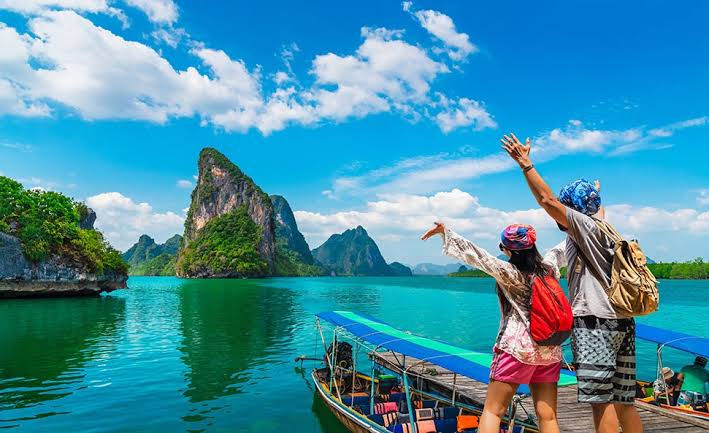
We recently celebrated World Tourism Day on September 27, a reminder that tourism is about more than moving from one destination to another. It is about discovering people, cultures, landscapes and ideas—and sometimes, ourselves. In 2026, this feels particularly relevant as technology, artificial intelligence, changing traveller preferences and responsible travel reshape how people discover, plan, experience and remember their journeys.
Tourism has come a long way. Once a privilege of the wealthy and adventurous, international travel became a mass phenomenon with better transport, expanding middle classes, affordable air travel and digital connectivity. Smartphones have taken it further, allowing travellers to discover destinations, compare hotels, book flights, navigate cities and share experiences—all from a phone.
The traveller has changed as well. Tourism is moving beyond conventional sightseeing towards experiences, from local food, wellness and adventure to wildlife, heritage, spirituality, nature and meaningful encounters with local communities. Sustainability, too, has become part of the conversation. The modern traveller asks not only, “What can I see?” but also, “What impact does my travel create?”
The economic importance of tourism is enormous. According to the World Travel & Tourism Council, travel and tourism contributed USD 11.6 trillion to the global economy in 2025, or 9.8 per cent of global GDP, supporting around 366 million jobs. For 2026, WTTC forecasts around USD 12 trillion in contribution and 376 million jobs.
But the numbers tell only part of the story. Tourism connects airlines, railways, hotels, restaurants, travel companies, guides, artisans, museums, retailers and entertainment businesses. Tourist spending can ripple through local economies, creating jobs and opportunities, particularly for young people, women and communities beyond major urban centres.
For India, the story is particularly significant. India has an extraordinary tourism portfolio—from the Himalayas, beaches and forests to ancient cities, archaeological treasures, pilgrimage centres, wildlife, cuisine, crafts and living cultural traditions. Tourism is already a major economic force, contributing significantly to GDP, employment, foreign exchange earnings and regional development.
But tourism’s importance goes beyond economics. It affects millions of lives. A small homestay can become a family’s livelihood, a local guide can turn regional knowledge into a profession, and a handicraft tradition can survive because visitors value it. An overlooked destination can gain better infrastructure and investment as travellers arrive.
As travel becomes more accessible, it can also become more complicated. Travellers face an enormous range of choices—from airlines, hotels and transfers to visas, insurance, activities and booking platforms. Managing these independently can create inconvenience when plans change, connections are missed, bookings need modification or travellers face unfamiliar situations abroad.
This is where a professional travel consultant becomes increasingly important.
A good travel consultant does more than book flights or hotels. The role is to understand the traveller, the purpose of the journey, time and budget, and bring its different elements together into a practical, well-coordinated experience. From destinations and accommodation to transport, sightseeing, local experiences and insurance, professional guidance can reduce uncertainty and save valuable time.
For travellers, a trusted travel consultant offers convenience and support. Instead of navigating websites and coordinating individual bookings, travellers can have a professional manage the journey and assist when unexpected situations arise. In an increasingly complex travel environment, this human expertise remains valuable even as artificial intelligence and digital platforms grow more powerful.
That next chapter is already emerging. Artificial intelligence will increasingly shape destination discovery, personalised itineraries, translation and travel planning. Digital platforms and data can make travel more seamless while helping destinations manage visitor flows and reduce overcrowding. At the same time, travellers are likely to seek greater authenticity, wellness, nature, cultural immersion and slower forms of travel.
For me, tourism is more than an industry—it is a way of life. Travel is not about collecting destinations but perspectives. Every journey changes how we see the world: a new landscape inspires, an unfamiliar culture challenges, and a conversation with a stranger can stay with us for years. That is why my team at Global Voyages and I are happy to assist clients, both long-time travellers and those who have joined us recently.
Perhaps that is tourism’s enduring power. The industry may evolve—from railways and aviation to smartphones and artificial intelligence—but the human impulse remains unchanged: the desire to explore beyond the familiar.
As World Tourism Day 2026 passes, its message remains relevant: tourism is not just about travel, but the people, communities, cultures and professionals who make it possible. Its future should be digital, innovative and economically strong, while remaining responsible, inclusive, sustainable and deeply human.
Ultimately, tourism is not just about where we go, but what we learn, whom we meet and how the journey changes us. The right travel professional can mean less time worrying about the journey and more time experiencing it.


Comments