top of page

By:

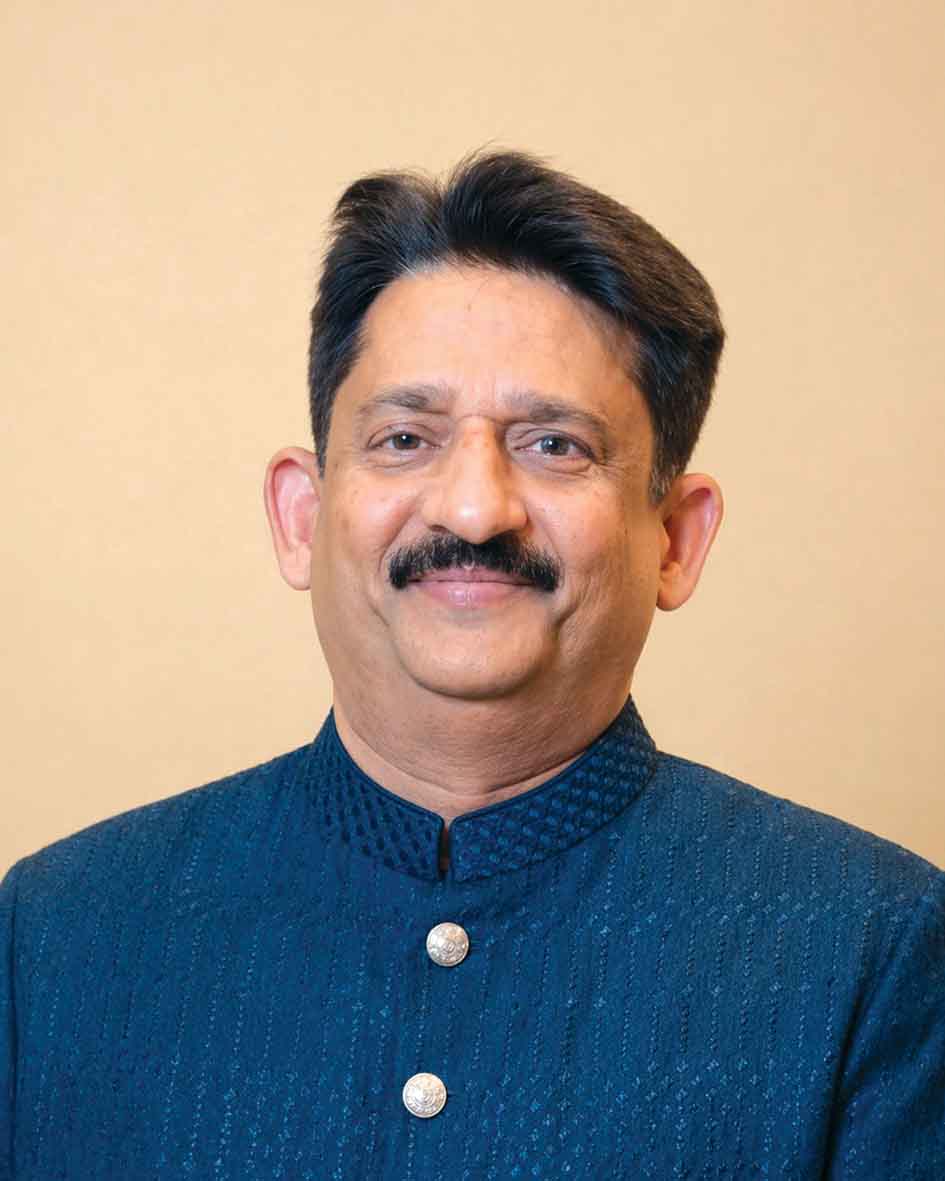
Rajeev Kejriwal

26 April 2026 at 1:28:42 pm

Water Can't Wait !

Nations are often judged by the monuments they build, the highways they inaugurate or the skylines they proudly showcase. Yet history has a quieter benchmark. It asks a far simpler question: Could every citizen drink clean water without anxiety? Everything else is secondary. Civilizations have risen beside rivers and disappeared because they failed to manage them. Water has never been merely a resource. It is the first condition of life, health, productivity and dignity. A nation may postpone...

Water Can't Wait !

Nations are often judged by the monuments they build, the highways they inaugurate or the skylines they proudly showcase. Yet history has a quieter benchmark. It asks a far simpler question: Could every citizen drink clean water without anxiety? Everything else is secondary. Civilizations have risen beside rivers and disappeared because they failed to manage them. Water has never been merely a resource. It is the first condition of life, health, productivity and dignity. A nation may postpone many ambitions, but it cannot postpone water. Bharat has made meaningful progress, but the uncomfortable truth remains, that we are still building the very arteries that should have been in place decades ago. Our potable water network is still at a nascent stage, demanding not celebration, but sustained resolve. The Jal Jeevan Mission and AMRUT brought unprecedented attention to drinking water infrastructure and transformed the national conversation around water security. They infused urgency into a challenge that had long been accepted as routine. Pipes were laid, treatment plants expanded and millions gained access to tap connections. These initiatives proved that when political will aligns with administrative execution, transformative change is possible. Yet infrastructure does not mature through isolated bursts of activity. It demands continuity. Momentum, once lost, is painfully slow to regain. The recent slowdown is more than administrative; it risks pausing a national purpose. Factories reduce output, contractors hesitate, investments stall and skilled manpower disperses. Every interruption today raises the cost of catching up tomorrow. Infrastructure thrives on continuity, not episodic enthusiasm. Development cannot be switched on and off like a tap. An unfinished pipeline is not simply an engineering gap. It is a reminder that development delayed is development denied. Perhaps the larger concern lies elsewhere. Water infrastructure rarely dominates political discourse because its success is almost invisible. It quietly prevents disease, reduces healthcare costs, frees women from the burden of collecting water, improves school attendance and strengthens economic productivity. Its failures, however, are unmistakable. They appear as dry taps, contaminated supplies, tanker queues and rapidly declining groundwater reserves. The finest public infrastructure is often the one people barely notice because it never fails. We celebrate airports, bridges and expressways because they are visible symbols of progress. But clean drinking water is a deeper achievement. It is the infrastructure that protects every other investment in society. Hospitals become less burdened, schools become more effective, industries become more productive and families become more secure when safe water is available consistently. The image is simple. A pipeline resembles an artery. When it carries clean water, communities thrive. When its construction slows, development itself loses rhythm. Bharat cannot afford that pause. Climate uncertainty is increasing. Urbanisation is accelerating. Groundwater is under growing stress. Population growth, industrial demand and changing rainfall patterns will only intensify the challenge. The question is no longer whether Bharat should invest more in water infrastructure. The real question is whether it can afford not to. This is precisely the moment to intensify effort—not dilute it. What the nation needs is substantial sustained investment, concentrated administrative thrust and unequivocal political attention towards universal access to potable water. Water infrastructure should not be viewed as a periodic government programme but as a permanent national mission that transcends political cycles. The destination is visible, but the journey is unfinished. Because history will not remember how many pipelines were sanctioned, tenders awarded or projects announced. It will remember whether every citizen finally received the dignity and security of clean drinking water.
Water is not expenditure. It is one of the highest-return investments a nation can make. Every rupee invested in clean drinking water returns many times over through better health, higher productivity, stronger economic growth and greater human dignity. When Bharat secures water, it secures its future. A nation that waits for a crisis before investing in water has already waited too long. (The writer is a bilingual author with five published titles to his credit.)

Water Can't Wait !

Nations are often judged by the monuments they build, the highways they inaugurate or the skylines they proudly showcase. Yet history has a quieter benchmark. It asks a far simpler question: Could every citizen drink clean water without anxiety? Everything else is secondary. Civilizations have risen beside rivers and disappeared because they failed to manage them. Water has never been merely a resource. It is the first condition of life, health, productivity and dignity. A nation may postpone many ambitions, but it cannot postpone water.


Bharat has made meaningful progress, but the uncomfortable truth remains, that we are still building the very arteries that should have been in place decades ago. Our potable water network is still at a nascent stage, demanding not celebration, but sustained resolve. The Jal Jeevan Mission and AMRUT brought unprecedented attention to drinking water infrastructure and transformed the national conversation around water security.


They infused urgency into a challenge that had long been accepted as routine. Pipes were laid, treatment plants expanded and millions gained access to tap connections. These initiatives proved that when political will aligns with administrative execution, transformative change is possible. Yet infrastructure does not mature through isolated bursts of activity. It demands continuity.


Momentum, once lost, is painfully slow to regain. The recent slowdown is more than administrative; it risks pausing a national purpose. Factories reduce output, contractors hesitate, investments stall and skilled manpower disperses. Every interruption today raises the cost of catching up tomorrow. Infrastructure thrives on continuity, not episodic enthusiasm. Development cannot be switched on and off like a tap. An unfinished pipeline is not simply an engineering gap. It is a reminder that development delayed is development denied.


Perhaps the larger concern lies elsewhere. Water infrastructure rarely dominates political discourse because its success is almost invisible. It quietly prevents disease, reduces healthcare costs, frees women from the burden of collecting water, improves school attendance and strengthens economic productivity. Its failures, however, are unmistakable.

They appear as dry taps, contaminated supplies, tanker queues and rapidly declining groundwater reserves. The finest public infrastructure is often the one people barely notice because it never fails. We celebrate airports, bridges and expressways because they are visible symbols of progress. But clean drinking water is a deeper achievement. It is the infrastructure that protects every other investment in society. Hospitals become less burdened, schools become more effective, industries become more productive and families become more secure when safe water is available consistently.


The image is simple. A pipeline resembles an artery. When it carries clean water, communities thrive. When its construction slows, development itself loses rhythm. Bharat cannot afford that pause. Climate uncertainty is increasing. Urbanisation is accelerating. Groundwater is under growing stress. Population growth, industrial demand and changing rainfall patterns will only intensify the challenge.


The question is no longer whether Bharat should invest more in water infrastructure. The real question is whether it can afford not to. This is precisely the moment to intensify effort—not dilute it. What the nation needs is substantial sustained investment, concentrated administrative thrust and unequivocal political attention towards universal access to potable water.


Water infrastructure should not be viewed as a periodic government programme but as a permanent national mission that transcends political cycles. The destination is visible, but the journey is unfinished. Because history will not remember how many pipelines were sanctioned, tenders awarded or projects announced. It will remember whether every citizen finally received the dignity and security of clean drinking water.


Water is not expenditure. It is one of the highest-return investments a nation can make. Every rupee invested in clean drinking water returns many times over through better health, higher productivity, stronger economic growth and greater human dignity. When Bharat secures water, it secures its future. A nation that waits for a crisis before investing in water has already waited too long.


(The writer is a bilingual author with five published titles to his credit.)

Comments


bottom of page