

Economics With a Civilisational Soul
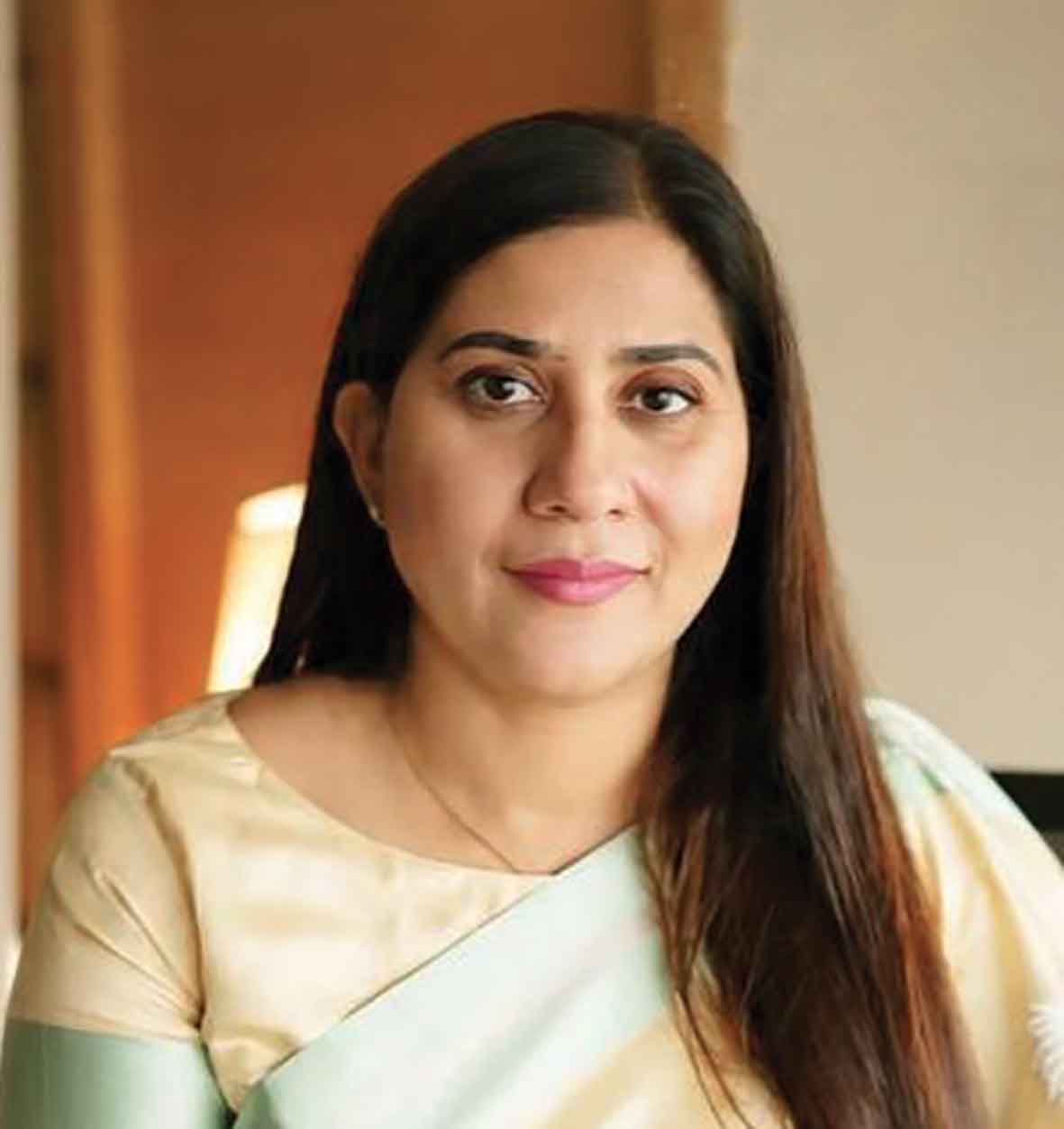
A reflection on the ideas, history, and philosophy that shaped The Economic DNA of Bharat.

In The Economic DNA of Bharat, I explore an alternative framework that places civilisation, ethics, and human dignity at the centre of economic thought.
Part philosophy, part policy discourse, and part civilisational reflection, the book offers a sweeping exploration of Bharat’s economic journey, from the Indus–Saraswati civilisation to the aspirations of an Atmanirbhar India. In writing it, I sought to bring together economic analysis with cultural and civilisational perspectives.
Beyond Numbers
A central argument of the book is that economics cannot be viewed merely through graphs and GDP indicators. To me, an economy is a living organism shaped by people, memory, culture, and moral responsibility.
As I write in the book: “To me, the economy of Bharat is not a graph. It is a living organism that breathes through every artisan’s hand, every farmer’s field, every mother’s kitchen, every child’s dream, and every elder’s wisdom.”
This perspective shapes the book’s approach throughout. Rather than presenting economics as a detached discipline, it examines economic ideas through the experiences of farmers, artisans, women, village communities, and indigenous knowledge systems. In doing so, it brings the human and cultural dimensions of economic development into sharper focus.
Legacy of Kumar
In the book, I examine the ideas of my late father, economist and visionary Paramjit Kumar, on economic sovereignty, self-reliance, and national development, while also tracing their influence on my own understanding of economics. His work sought to connect economic policy with national dignity and long-term societal well-being.
“He believed that true power lay not in bombs but in bread.”
I also explore his ideas on ethical public expenditure, decentralisation, food security, and self-reliance. A central argument explored in the book is that every fiscal decision carries not just economic consequences but moral ones as well.
Civilisational Ethos
I trace Bharat’s economic foundations through village republics, artisan guilds, temple economies, and ancient trade systems, arguing that India historically nurtured an economy rooted in trust, reciprocity, and collective welfare.
A recurring theme is the idea of the “emotional economy” — the belief that economic relationships extend beyond the exchange of goods and services to encompass social bonds and shared values. As the book notes, “Guilds of artisans, merchant caravans, and farming cooperatives did not merely trade goods; they traded trust, identity,
and belonging.”
The chapters discussing the Indus–Saraswati civilisation, Kautilya’s Arthashastra, and the relationship between Artha and Dharma present an alternative lens through which economic history can be viewed—not merely as commerce, but as civilisation-building.
Developmental Journey
I also examine contemporary India’s developmental trajectory, including post-Independence economic evolution, liberalisation, digital transformation, infrastructure expansion, and employment-generation initiatives within the broader context of national development.
From Skill India and Make in India to digital infrastructure and manufacturing reforms, I view these developments as part of a larger process of economic and civilisational renewal. Throughout, it emphasises the importance of inclusivity, self-reliance, and long-term sustainability.
“We must construct an economy not of emulation, but of integration.”
The emphasis throughout is not simply on growth, but on meaningful
growth—one that reaches villages, empowers women, supports artisans,
strengthens farmers, and creates opportunities for future generations.
Personal Reflections
Alongside its discussion of economic policy and development, the book incorporates personal reflections that help frame its broader themes and ideas.
Some of these reflections centre on my experience of learning economics from my father: “My classroom was my home. My professor was my father. My syllabus was
the soul of Bharat.”
These personal insights provide context for many of the perspectives explored throughout the book. They also underscore its central themes of civilisational continuity, economic self-reliance, and Bharat’s future development.
Economic Soul
Through this book, I explore Bharat as both an emerging economy and a civilisation with its own developmental and philosophical traditions. Drawing on historical examples, contemporary policy discussions, and personal reflections, the book examines themes such as economic sovereignty, self-reliance, social cohesion, and sustainable development. It also considers how these ideas may inform Bharat’s future trajectory in a rapidly changing global landscape.
My hope is that the book encourages readers to think about economics not only as a matter of production and consumption, but also as a reflection of culture, values, and collective purpose.


Comments