

Where Serenity Meets Adventure

From temple rituals and volcanic landscapes to parasailing over the Indian Ocean, Bali offers a rare blend of thrill, spirituality and calm.

There are places you visit, and then there are places that stay with you forever. Bali, the famed “Island of the Gods”, is one such place. Part of Indonesia—the world’s largest archipelagic nation with over 17,000 islands—Bali is more than a destination; it is an experience woven with spirituality, adventure and timeless culture.
With my group headed for water sports at Tanjung Benoa, some of us decided to try parasailing. There was nervous excitement all around, but after watching me go first, the others soon followed.
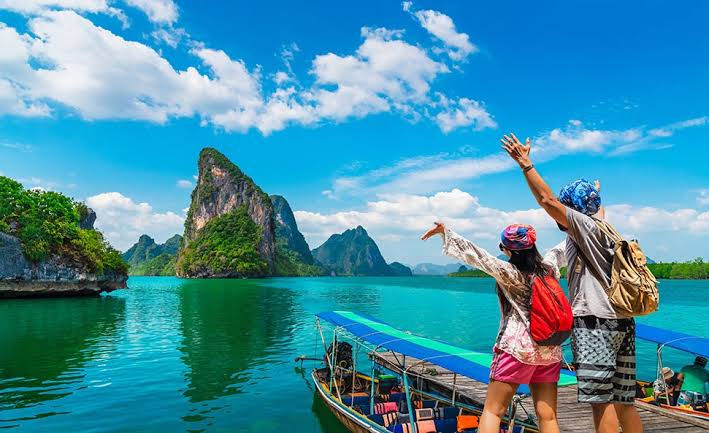
Strapped into the parachute, I was gently lifted into the sky as the speedboat gathered pace. Soon, I was soaring above the blue Indian Ocean, with tiny boats below and a coastline of golden sands, swaying palms and turquoise waves stretching into the distance.
What made it unforgettable was not just the thrill but the sudden calm. Suspended between sky and sea, everything felt still. In that moment, Bali seemed to reveal its magic—the perfect balance of adventure and serenity. My group members felt the same when they took their turn.
Bali lies between Java and Lombok, making it an important cultural and geographical link in Indonesia. Its dramatic volcanic landscape, dominated by Mount Agung, shapes both its ecology and spiritual beliefs.
Historically, Bali remains a stronghold of Hindu culture in a predominantly Muslim nation, with ancient traditions, rituals and temple ceremonies preserved for centuries. It also plays a vital role in Indonesia’s tourism-driven economy and regularly hosts global events, strengthening its international profile.
Bali’s spiritual soul is reflected in its many temples, each with its own beauty and sacred significance. Tanah Lot Temple rises dramatically from a sea rock and is famed for its breathtaking sunsets and mystical connection to the ocean. Uluwatu Temple, perched on a cliff 70 metres above the sea, offers sweeping views and is especially known for its enchanting Kecak dance performances at dusk. Besakih Temple, revered as the “Mother Temple” of Bali, stands on the slopes of Mount Agung and is regarded as the island’s spiritual heart. Tirta Empul Temple is celebrated for its holy spring water, where devotees and visitors alike take part in ancient purification rituals. Ulun Danu Beratan Temple, set against the tranquil waters of Lake Beratan, appears to float gracefully, symbolising harmony between humanity and nature.
More than architectural landmarks, these temples are living sanctuaries of faith, where daily offerings, prayers and rituals reveal the quiet depth of Bali’s spiritual discipline.
Bali offers something for every traveller—from Ubud’s art, wellness and rice terraces to Seminyak’s chic cafés, beaches and nightlife; the lush beauty of Tegallalang Rice Terraces; and Nusa Penida’s dramatic cliffs and crystal-clear waters. Each destination reveals a different side of the island’s personality.
The best time to visit Bali is from April to October, during the dry season, when clear skies and pleasant weather are ideal for sightseeing, water sports and outdoor exploration. The monsoon months, from November to March, bring occasional rain but also make the island even greener.
Bali is served by Ngurah Rai International Airport in Denpasar, with major airlines such as Singapore Airlines, AirAsia, Emirates, Qatar Airways and Garuda Indonesia operating flights. Travellers from India usually connect via Singapore, Kuala Lumpur or Doha.
Blessed with lush forests, volcanic mountains, waterfalls and vibrant coral reefs, Bali is a land of striking natural beauty. Its traditional subak irrigation system reflects the island’s harmony between agriculture and spirituality. Fertile volcanic soil supports rice, coffee and tropical fruits, while rich marine biodiversity draws divers from around the world.
Bali’s cuisine is equally memorable, with favourites such as nasi goreng and satay, along with fresh fruits like salak, mangosteen and dragon fruit. Bali coffee, fresh coconut water and traditional herbal drinks such as jamu add to the island’s distinctive flavours.
Bali is a delight for shoppers and art lovers, with hand-carved wooden sculptures, Celuk’s intricate silver jewellery, batik textiles and colourful sarongs—all available at affordable prices in the markets of Ubud and Seminyak.
What truly makes Bali and Indonesia special is their people. Their warmth and kindness are deeply rooted in culture, and even a simple smile or small gesture leaves a lasting impression.
Indonesia also teaches you to slow down and savour the moment. In Bali, we did not just explore a destination—we felt we rediscovered ourselves. That, perhaps, is Bali’s greatest magic: it does not just leave you with memories but with meaning.
(The writer is a tourism professional and runs a company, Global Voyages. She could be contacted at goglobalvoyages@gmail.com. Views personal.)

Comments