

Local dynastic politics at play
Current and ex-legislators’ campaign for their children, accompany children for rallies, hold meetings, oversee media campaigns

Mumbai: Shiv Sena candidate Jay Kudalkar while leaving for his campaign early morning is seen busy taking tips from his father, Mangesh Kudalkar, who is the legislator from Kurla. Similarly, Deepti Waikar, who is contesting from Ward number 73 (Andheri-East), makes it a point to meet her father, Ravindra Waikar, every night to share her experiences of her daylong campaign. Waikar is currently the MP from Mumbai North West constituency and a former state minister.
Mangesh denies any favouritism for the party nomination. “We had shortlisted three candidates for this seat number 169 and left the decision to Eknath Shinde. My son was selected based on feedback given by the party workers and the survey which was done,” he said.
Deepti attributes her decision to contest elections as a means to carry out her social work. “Our entire family has been engaged in social work for decades, and I used to handle my father’s election campaign. The BMC will give me a platform to serve the people effectively,” said Deepti, who is a practising advocate of the Bombay High Court.
Currently, around half a dozen children of current and past legislators are contesting the BrihanMumbai Municipal Corporation (BMC), which is touted as a stepping stone for their political careers. All these legislators assert that their children have got tickets based on their merit and they have played no role in this selection.
These legislators are strategising the campaigns by planning roadshows, meeting office bearers of various outfits and housing societies and overseeing their media campaigns.
Former Shiv Sena legislator Sada Sarvankar has both his children facing the electoral battle in the Dadar-Prabhadevi belt. While his son Samadhan Sarvankar is fighting his second election, daughter Priya Sarvankar is making her electoral debut from ward number 191 against veteran politico and former mayor Vishaka Raut. Sarvankar denies that he was promoting his children. “This is a reserved seat for OBC women, and we had no suitable candidate here except Priya. She has been politically active for the last few years and has got the seat due to her winnability factor,” said Sarvankar. Priya says that her father has been her inspiration. “See the commendable developmental work he has done in the area. I just want to carry his legacy forward,” Priya stated.
‘Forced to Field’
Veteran Shiv Sena (UBT) leader Vinod Ghosalkar’s younger son, Saurabh Ghosalkar, has entered into the electoral fray from ward number 7 in Dahisar. His daughter-in-law Tejaswi is already in the fray from Ward number 2 as a BJP candidate. Vinod Ghosalkar claims he was forced to field his son from this ward. “Ward number 7 has been neglected for years, and people are fed up. It was the locals who requested me to field my son,” Vinod said. He stated that he is unable to go on a door-to-door campaign. “I hold meetings with small groups in societies and slum pockets,” he added.
Most of these legislators have cut their political teeth in the BMC and then graduated to become legislators.
Political analysts describe the situation as local dynasty politics at play. “Suppose tomorrow these legislators go to Lok Sabha or are denied a ticket to recontest, then their children can take their place. In addition, BMC is an ideal place to learn local politics as well as distribute favours to the electorate. “This experience is valuable for a long-term political career,” said political analyst Hemant Desai.
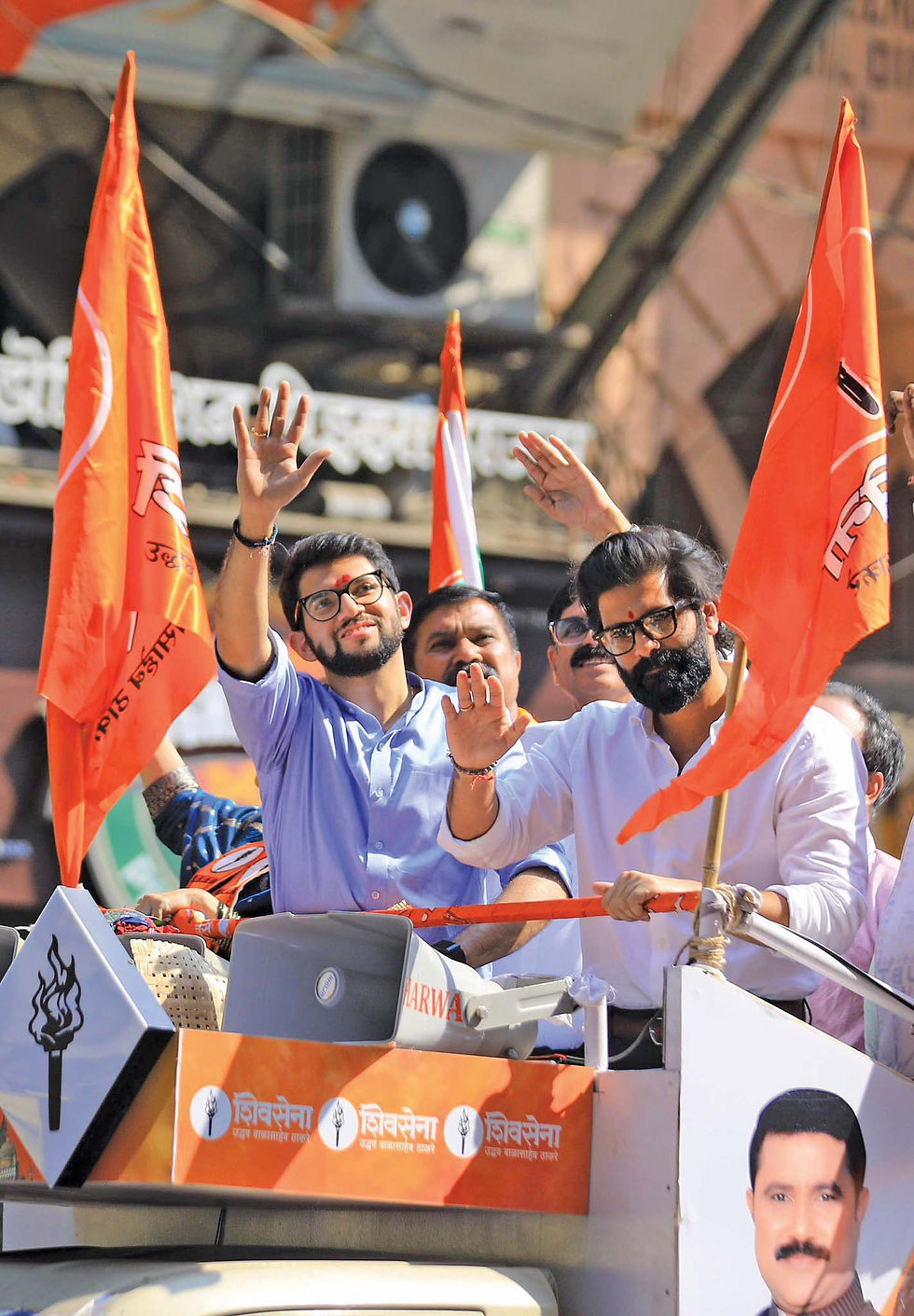
In Dindoshi, legislator Sunil Prabhu is undertaking a rally canvassing for his son Ankit, who aims to make his electoral debut from ward number 54 in Goregaon.
Meanwhile, Neil Somaiyya, son of former MLA Kirit Somaiyaa, and Akash Raj Purohit, son of former MLA Raj Purohit, are seeking their second terms from Mulund and Bhuleshwar, respectively. Incidentally, Goregaon legislator Vidya Thakur’s son Sagar, who was a corporator during the last term, was denied a ticket to contest by the BJP.

Comments