

Yoga’s Evolution: A Timeless Journey
- Shraddha Deshpande

- Jul 24, 2025
- 3 min read
Yoga is not just a practice—it is a way of life, a timeless guide to living with awareness, compassion, and harmony.
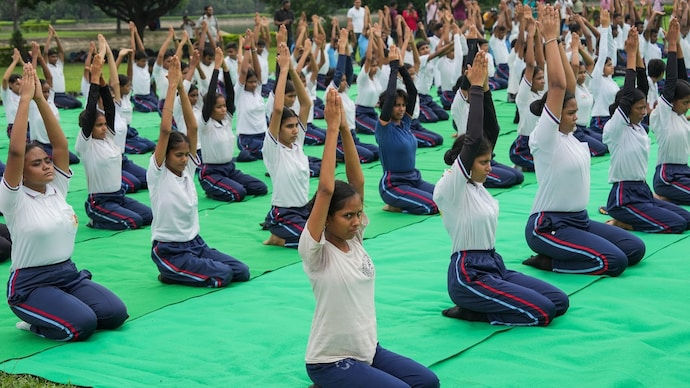
Yoga, an ancient practice rooted deeply in Indian tradition, continues to gain global recognition for its holistic benefits for body, mind, and spirit. While the exact origins of yoga are shrouded in the mists of time, traces of its existence date back at least 5,000 years. Some historians even suggest that it could be as old as 10,000 years. The evolution of yoga is often studied through four broad historical periods, each shaping its form and philosophy in unique ways.
Four Historical Stages
1. The Vedic Period
This period is considered the earliest phase of yoga. It is closely associated with the Vedas—the Rigveda, Yajurveda, Samaveda, and Atharvaveda, some of the world's oldest sacred texts. The Rigveda contains hymns in praise of divine forces, often considered the spiritual seeds from which the roots of yoga sprouted. The practices during this era were more ritualistic and meditative, often focused on connecting with the cosmos through devotion and sacrifice.
2. The Pre-Classical Period
Following the Vedic era, this phase includes the technique found in the Upanishads and Vedanta—the philosophical conclusions of the Vedas. This period marks a shift from external rituals to inner contemplation and self-realisation. It introduced concepts like the Atman (soul), Brahman (universal spirit), and the interconnectedness of all life. These ideas laid groundwork for what would later evolve into the philosophical foundation of yoga.
3. The Classical Period
Often considered the golden age of yoga, this period saw the first systematic presentation of yoga philosophy by Sage Patanjali in his seminal work, the Yoga Sutras, written between the 3rd and 6th centuries BCE. Patanjali outlined the eight limbs of yoga (Ashtanga Yoga), which include ethical disciplines (Yama and Niyama), physical postures (Asana), breath control (Pranayama), withdrawal of the senses (Pratyahara), concentration (Dharana), meditation (Dhyana), and absorption or enlightenment (Samadhi). This classical framework continues to influence modern yoga practice and philosophy.
4. The Post-Classical Period
Spanning from the time after Patanjali to the modern day, this phase includes a variety of interpretations and practices of yoga. It gave rise to Hatha Yoga, Tantra, and other branches that focused more on the body as a vehicle for spiritual transformation. This period is also marked by integrating yoga into everyday life and adapting to changing social and cultural contexts.
Yoga in the Modern Era
In the late 19th century, yoga began to reach a global audience. A significant milestone in this journey was Swami Vivekananda’s address at the Parliament of Religions in Chicago in 1893, where he introduced the profound spiritual philosophy of yoga and Vedanta to the Western world. Since then, yoga has gained universal appeal, transcending boundaries of culture and religion.
Indian Philosophy and Darshana
In Indian intellectual tradition, philosophy is known as Darshana, a Sanskrit term meaning "vision" or "insight into the true nature of reality." Indian philosophy is broadly categorised into two streams—Astika, which accepts authority of the Vedas, and Nastika, which does not.
Among the Astika schools, six classical systems stand out:
• Purva Mimamsa
• Vedanta
• Nyaya (logic and epistemology)
• Vaisheshika (metaphysics)
• Sankhya (cosmic dualism)
• Yoga
Of these, yoga aligns most closely with the Sankhya school, sharing its metaphysical framework while offering a practical discipline for self-realisation. Through physical, mental, and ethical practices, yoga serves as a path toward inner liberation—a vision central to the Indian philosophical quest.
The Diverse Paths of Yoga
Though the goal of yoga is universal—union with the self and the divine—different individuals resonate with different paths, depending on their temperament and lifestyle. The primary paths include
Jnana Yoga—the path of wisdom and self-inquiry
Bhakti Yoga—the path of devotion and love
Karma Yoga—the path of selfless action
Raja Yoga—the path of meditation and discipline
Hatha Yoga—the physical aspect of yoga, including postures and breathing
Mantra Yoga—the path of sound and vibration
Each path offers a unique approach, but ultimately, all lead to the same destination—inner peace, self-awareness, and spiritual liberation.
(The writer is a yoga educator and researcher based in Pune.)



How nicely written!!